






Got a tip for us?

iCloud

It’s easy to back up your iPhone. So easy, in fact, that your iPhone normally backs up automatically, so you don’t have to do anything. However, this doesn’t always go according to plan; some users have complained that their iPhone can’t back up to iCloud after iOS 26 update.

Irrespective of the exact cause, you don’t have to do anything too complicated to get your iPhone backing up to iCloud again. You just need to work out what the problem is first, and we’re here to help.

Here is how to fix the problem if your iPhone can’t back up to iCloud after iOS 26 update.

1. Check Your iCloud Settings

In order to back up your iPhone to iCloud on iOS 26, you first have to make sure you have the feature switched on. Because if you haven’t enabled it, automatic iCloud backups simply won’t happen. You’ll have to back up your iPhone using a computer instead.

To switch on iCloud backups, you should do the following:

  1. Open the Settings app, then tap your name.
  2. Tap iCloud.
  3. Scroll down and tap iCloud Backup.
  4. Turn on the switch next to Back Up This iPhone.

By doing this, you’ll switch automatic iCloud backups on. As such, any time your iPhone is connected to power, locked and on Wi-Fi, it will automatically back up whatever new data you have to iCloud.

If you want to back up your iPhone immediately, tap Back Up Now,.

Depending on how much data you have, or if this is your first time backing up to iCloud, the backup process could take a few minutes or an hour. Check below the Back Up Now button to see the exact time and date your phone was last backed up.

2. Check Your Wi-Fi Connection

As mentioned, you have to connect your iPhone to a Wi-Fi network to back up to iCloud. If you are not connected to the internet, you may see a message that says “Your Last Backup Couldn’t be Completed.” Here’s what you can do:

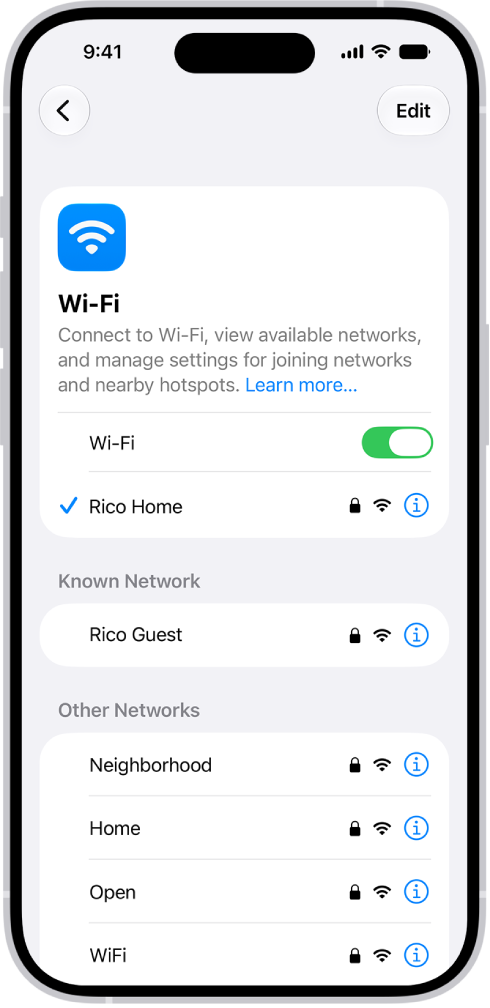
  • Open the Settings app, then tap Wi-Fi to make sure that you’re connected to Wi-Fi.
  • Try to back up on another Wi-Fi network.

If your iCloud backup is taking longer than expected to complete, leave your iPhone connected to power and Wi-Fi for 24 hours

3. Make Sure You Have Enough iCloud Storage

Unsurprisingly, iPhone backups occupy your iCloud storage allotment. Therefore, if you don’t have enough iCloud storage space, backups will run into problems. You might see this message on your iPhone: “This iPhone cannot be backed up because there is not enough iCloud storage available.”

Every iCloud account gets 5GB for free. But most people have more than 5GB of data on their phone — or they have more than one iOS device that needs backing up. Hence, 5GB just isn’t enough space. And maybe one day Apple will change its free tier to give us more data and make backing up easier for everyone. But until then, we need to do some calculations to optimize our iCloud accounts.

To figure out exactly how much iCloud space your backup file will take:

  1. Open the Settings app, then tap your name.
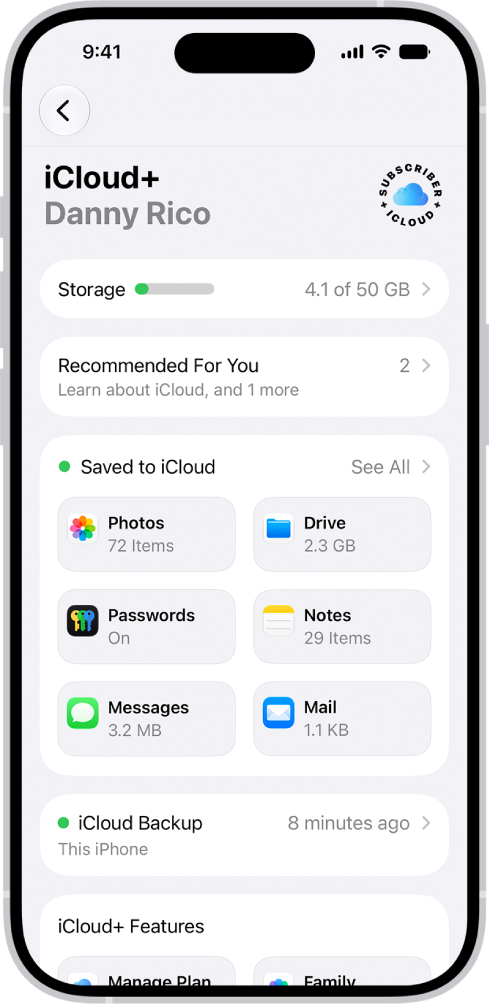
  2. Tap iCloud. At the top, you can check how much iCloud storage you’ve used.
  3. Tap Storage.
  4. Tap Backups, then tap your iPhone. Next Backup Size should show you the size of the next backup. It might take a few minutes for your device to calculate Next Backup Size.

If you haven’t backed up your iPhone to iCloud before or in a long time, the Next Backup Size will be a pretty large amount of data. Obviously, if it’s more than 5GB, you must either buy more storage or adjust what you’re backing up.

Lower on the screen under Next Backup Size is a list where you can Choose Data to Back Up. This list will have apps and how much data each has to back up. The list goes from what takes up the most space to the least. If you just need a slightly smaller backup file, uncheck larger data items from the list if you don’t mind whether or not they’re backed up.

If all you wanted to back up was your camera roll, the only setting you’d need to toggle would be iCloud Photos. Besides Photos, there is a list of every other iCloud-enabled app on your iPhone, starting with Apple’s own apps

If you don’t want to turn off apps, buy more iCloud storage with iCloud Plus. Apple does offer six price tiers for storage: the free 5GB, $0.99-per-month 50GB, $3.49-per-month 200GB, $11.99-per-month 2TB, $34.99-per-month 6TB, or $69.99-per-month 12TB per month plans. (Note, Apple doesn’t have annual pricing.)

5. Check iCloud Status

Believe it or not, Apple’s iCloud servers can sometimes go down. This means that no matter what you do you won’t be able to back up your iPhone to iCloud.

If you suspect a problem, you can quickly check the status of the iCloud servers by going to Apple’s System Status page.

Here, look for iCloud Backup. If you see a green light next to it, everything is working as it should. In other words, your backup issue is due to a problem on your end.

6. Sign Out of iCloud

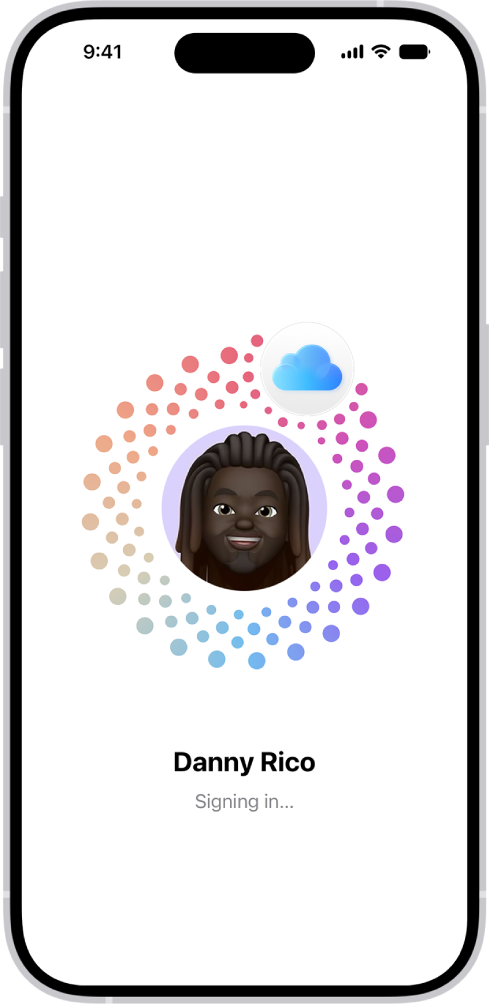
You can sometimes solve iOS 26 backup issues by signing out of your iCloud account, then signing back in. This solves problems related to verification issues.

Here’s how to sign out and back in:

  1. Open the Settings app, then tap your name.
  2. Scroll down and press Sign Out.
  3. Select Sign Out But Don’t Erase.
  4. Tap Continue.
  5. Select Continue Anyway when prompted.

To sign back in, you have to tap Sign in to your iPhone. From here, you should enter your Apple account email address and password. If you have a Mac or other Apple device that’s connected to your Apple account, you’ll get a verification code on it. You need to enter this on your iPhone, then input your iPhone’s passcode.

Once you’ve signed back in, you should try connecting your iPhone to Wi-Fi and a power source. Hopefully, it will begin backing up to iCloud once locked. You can also try leaving it connected overnight, so that the backup has enough time to finish.

7. Restart Your iPhone

Next, you can try restarting your iPhone. This is a simple action, but it resets your iPhone’s temporary memory. By doing this, you can sometimes get your iPhone to back up properly again.

You can restart your iPhone by doing the following:

  1. Hold the Side button and either Volume button. Keep it held until the slide to power off slider appears.
  2. Swipe right on the power off slider.
  3. After shutdown, hold the Side button until the Apple logo appears to start up again.

8. Reset Settings

If a restart doesn’t fix your iPhone backup problems on iOS 26, you should try resetting all settings. This won’t erase your data, but it will erase preferences like your saved Wi-Fi passwords and all phone settings.

It’s a bit of a hassle to change all this back, but because something might interfere with the backup process, it’s worth trying at this point:

  1. Open Settings.
  2. Select General.
  3. Scroll down and press Transfer or Reset iPhone.
  4. Select Reset.
  5. Select Reset All Settings.

9. Update iOS

It’s possible that some kind of software bug is preventing your iPhone from backing up to iCloud. Accordingly, you should update your iPhone to the latest version of iOS 26, if a new one is available.

Here’s how you can update:

  1. Make sure your iPhone is connected to Wi-Fi.
  2. Open Settings.
  3. Select General.
  4. Tap Software Update.
  5. If an update is available, tap Update Now.
  6. If prompted, enter your passcode.

General iPhone Maintenance Tips

At least one of the steps above should be enough to help you when your iPhone won’t back up to iCloud after iOS 26 update.

However, even if you solve your problem, it’s always a good idea to regularly perform basic iPhone maintenance. By keeping your iPhone in good working order, you’ll be less likely to encounter such problems as backup failure in the future.

Tags: iCloud, iOS 26

If you tried the wrong passcode repeatedly or your kids type randomly in the lock screen, it will cause the iPad to be disabled. As a result, you will be informed that iPad is disabled connect to iTunes. In such a case, how to unlock a disabled iPad without iTunes or iCloud or computer? Let us discuss this issue together.

Part 1: How to Unlock a Disabled iPad without iTunes? Give iCloud a Try

The first method to unlock a disabled iPad without iTunes would be using iCloud. Let’s cut to the chase:

Step 1: On your browser, head over to icloud.com.

Step 2: Sign in with your Apple ID.

Step 3: Now, click on “All Devices” at the top of the window. Then choose your disabled iPad.

Step 4: Here are three options available for you:

Play Sound: Make your device vibrate and play a sound immediately for two minutes. This helps you to find your iPad if you lost it nearby.
Lost Mode: Allows you to lock and track your lost device remotely.
Erase: Erase all the data and settings from your iPad (except iCloud account).
All of the above options only work when your iPad is online.

Here choose the Erase option. If your disable iPad is online, the remote erase begins. Or it will remote erase the next time it’s online.

Step 5: Last, set up your device and restore it from your iCloud backup (if available).

Part 2: How to Unlock a Disabled iPad without iTunes/iCloud/ Computer

The second method to unlock a disabled iPad without iTunes or iCloud or computer would be using the Find My app.
To unlock iPhone with iCloud, you can refer Part 1 tutorial to conduct the operation. Here we will guide you to unlock a disabled iPad without a computer via Find My app on another iPhone or iPad. Let’s cut to the chase:
Step 1: Open the ‌Find My‌ ‌‌ app on another device.

Step 2: Sign in with your ‌Apple ID‌.

Step 3: scroll down to the missing device and tap it.
Then tap on Actions at the bottom of the iPad screen. After that, you are offered three options. Tap Erase iPad and then you will get the disabled iPad erased. Of course, the locked screen is removed from the iPad.

If your disabled iPad is online, the remote erase begins after you follow the onscreen instructions. If your disabled iPad is offline, the remote erase begins the next time it’s online.

As a matter of fact, this process is similar to unlock the disabled iPad with iCloud. The most important part is that you need to enter the right iCloud account and password.

Tags: iCloud, iTunes

Backing up your iPhone is something that you need to do periodically. If your iPhone 12 is not backing up, then you could potentially lose some of your data. When we say “data,” what we mean is the configuration of your iPhone and everything that makes it uniquely yours. That includes your apps, pictures, videos, podcasts, music, etc. Your iPhone should back up with iCloud automatically. Sometimes, though, conditions arise where that does not happen. If you find your iPhone 12, iPhone 12 pro or iPhone 12 Pro Max not backing up, you’ll need to figure out what the problem is, then how to fix it.

How to fix it if your iPhone 12, iPhone 12 pro or iPhone 12 Pro Max is not backing up

Here are some of the common reasons why your iPhone 12, iPhone 12 pro or iPhone 12 Pro Max won’t back up and how to fix the issue:

Your iCloud Settings Might Be the Reason Your iPhone 12 Backups are Not Working

The first thing that you should think of as a possibility if your iPhone 12, iPhone 12 pro or iPhone 12 Pro Max is not backing up successfully is your iCloud settings. The feature needs to be switched on. If you have not taken the needed steps to enable it, then your iPhone 12 won’t back up.

  1. Start the Settings app on your iPhone then tap your name located at the top of the screen. This will launch your Apple ID settings.
  2. Select iCloud, then scroll down to where it says iCloud Backup. Tap it.
  3. You will see an iCloud backup button. Toggle it to the on position, and it will change to green.
  4. When the prompt appears, tap Okay.

Now, automatic iCloud backups are on. Your iPhone should back up every time that you plug it into a power outlet and connect to Wi-Fi. Make sure that your iPhone is locked when you do this as well. Otherwise, it won’t work.

Your Wi-Fi Connection Could be Why Your iPhone 12 Won’t Back Up

Another common reason for your iPhone 12, iPhone 12 Pro or iPhone 12 Pro Max not backing up with iCloud could be your Wi-Fi connection not working. If you’ve got a working Wi-Fi network at home, that is the ideal place for you to back up your devices. If your Wi-Fi connection is shaky, though, the process could be interrupted, or it might not even be able to start.

If you don’t see the Wi-Fi icon on your iPhone, then you know that it’s not connected. You can easily do it, though.

  1. Start the Settings app on your iPhone then tap Wi-Fi.
  2. Tap the Wi-Fi button, moving it to the green On position. Your iOS device will automatically join your network if you have set it up to do so. If you haven’t done this, then you’ll need to select your Wi-Fi network and type in your password.

If your Wi-Fi isn’t working, then you can turn off your router and then turn it back on. If that doesn’t work, then check all the connections. If you’re still experiencing problems, then contact your internet provider. There may be a temporary outage in your area.

See also: iPhone connected to Wi-Fi but no Internet access?

Is Your iPhone Connected to a Power Source?

If you’re using iCloud to backup your iPhone, then it will need to be plugged to a power outlet. If an outlet is not available to you, you can also connect your iOS device to a computer, either a laptop or a desktop machine.

When you plug it in, make sure that the USB cable you are using is working properly. If it is, a battery icon will appear at the top right of your iPhone’s screen. It’s recommended to use the official Apple cable. If you use a third-party cable, it might be cheaper, but these might not work correctly.

Make Sure You Have Sufficient iCloud Storage to Back Up Your iPhone

iPhone backups are what take up most of your iCloud storage space. If you don’t have enough storage space, then your iPhone 12, iPhone 12 pro or iPhone 12 pro max won’t back up to iCloud.

There is no specific amount of space that you’ll need. That’s going to depend on how much data is on your iOS device. You might need only 1GB, or you might need as many as 4 or 5GBs. You can run out of space faster, but there are ways to resolve this problem.

To see how much space you have left, start the Settings app on your iPhone. Then, tap your name located at the top of the screen. Tap iCloud, and choose Manage Storage. Now the iCloud storage page will launch, and you will see how much you have used and how much is left. If all 5GB of the free storage for your iPhone has been used, you’ll know that’s why your iPhone 12, iPhone 12 pro or iPhone 12 Pro Max cannot back up.

What Can You do if You’re Out of Storage for Your iPhone?

If your iOS device is out of storage space, then you’ll need to check what you have on there. Deleting old, backed up data is one options. That might be from the iPhone itself, or some of the apps. Deleting your iPhone backup will free up the most space, but then if you restore it as it was, you’ll run into the same problem. Because of that, deleting data related to your apps or the apps themselves is usually the Best option.

Head over to the iCloud storage page, and tap the app for which you would like to delete the backed-up data.
You’ll need to tap Delete Data. In some cases, it will say Delete Documents and Data instead, or Turn Off and Delete. Any of these options performs the same task.
Press Delete again to confirm your action.
You Can Also Upgrade Your Storage Plan
Upgrading your iCloud storage plan is another option offered by Apple. It’s at least worth considering. Usually, it costs just a few extra bucks a month on your phone bill, and you get to avoid this hustle of having to choose which apps to eliminate. You will find an option to upgrade on the iCloud storage screen. You’ll get a lot of new space, and now you can take more pictures, shoot more video, or whatever else you find useful.

Check the Status of iCloud

It is also possible sometimes for iCloud servers to go down for a while. The system is imperfect, and while it’s a rarity, that might be why your iPhone 12, iPhone 12 Pro or iPhone 12 Pro Max is not backing up. If you feel like the iCloud servers might be down, you can rule out that by visiting the Apple’s System Status page. If there is an outage in service, then it will indicate there, and it will also provide updates and an approximate timeframe when it will be up and running again. Usually, Apple is quick to fix the problem.

Sign Out of iCloud, then Back in Again

Signing out of iCloud and then back in again is essentially a way of resetting your iPhone’s presence on the network. That can be a solution sometimes with backup issues.

  1. Start the settings app on your iPhone then tap your name located at the top of the screen.
  2. Scroll down through your Apple ID settings and tap Sign Out.
  3. When prompted, type in your Apple ID, followed by your password. Next, tap Turn Off, deactivating Find My iPhone.
  4. Tap Sign Out, then tap Sign Out again when the prompt appears.

From there, you can tap Sign into Your iPhone and sign back in. After entering your Apple ID and password, your iPhone should be recognized again. If you have another Apple device connected to your ID, a code might be sent to it that you will be prompted to enter.

Once you are signed back in, plug your iPhone to a power outlet, and see if the backup goes forward as it should. Usually, that will have fixed the issue.

Try Restarting Your iPhone

One last troubleshooting step you can try when your iPhone 12 won’t back up is restarting your device. It’s a simple fix for many problems, so it’s worth giving it a shot too.

  1. Press and hold down any of the volume button together with the side button. After a few seconds have passed, a power slider Will appear on the screen and the option to shut down the phone.
  2. Drag the slider from left to right, and the Device will shut down.
  3. Wait a few seconds for the phone to shut down completely and then press and hold the side button again. The phone will power back on.

Now try plugging your iPhone to a power outlet to see if the data will back up.

If you’ve tried everything that we’ve mentioned but your iPhone 12 won’t backup to iCloud, then you can either contact Apple Support through online life chat, or you can take the device into an Apple Store and talk to the Geniuses about the problem. Be sure to book a Genius Bar appointment before making a visit to avoid any inconvenience. Explain to them everything that you’ve tried, and they can inspect your device to see if there is some kind of hardware issue or another possibility that you’ve been unable to detect.

Tags: Backup, iCloud

This article explains how to unlock if your Apple ID has been locked for security reasons.

It’s save to say that security is a top priority for Apple, and if your account has been hacked it gets suspended. If this happens, you might see a notification indicating that your account has been ‘locked for security reasons’. This is terrible since your Apple ID and password are required to access Apple services. Continue reading to know how to unlock disabled Apple ID for security reasons.

How to Unlock disabled Apple ID for Security Reasons

It’s quite frustrating if your Apple account gets locked, particularly if you wanted to download a nice app from the App Store or trying to reply to an email. However, this does mean someone tried to access your Apple account, and Apple blocked them. The Apple ID gets locked when someone repeatedly enters a wrong password on an Apple device

Apple ID Disabled – Your Apple ID has been disabled for security reasons

In this article, I’ll show you what you can do to unlock a disabled Apple ID and account that was locked due to security issues.

See also: My Apple ID is Greyed Out in Settings, Check the Fix

How to know if your Apple ID is locked?

If your Apple ID got locked, you should see one of these messages on your Apple device:

  • You can’t sign in because the account was deactivated for security reasons.
  • Your Apple ID has been disabled for security reasons.
  • This Apple ID is locked for security reasons.
  • Your iCloud account has been locked for security reasons.

Here is what you can do if your Apple ID was locked:

Unlock Apple ID account that was locked for security reasons

  1. On your Mac, open Safari.
  2. To unlock your Apple ID, navigate to ‘iForgot’ Apple’s website.
  3. Type in your email, first name and last name -> click ‘Next’.
  4. If two-step verification was enabled you need to enter the recovery key. If this was not enabled proceed to the later step. Then you should print out the recovery key and save it somewhere. Type in the key number and hit ‘Next’.
  5. Next on, select the phone number that was used for two-step verification and click continue. Enter the Verification Code and select ‘Continue’.
  6. Type in the new password and confirm password field -> choose Reset Password.

And that’s all you need to do to resent your Apple ID’s password. This unlocks the disabled Apple ID / account. However, you need to use the latest password with accounts on your Apple devices

For unlocking a disabled Apple ID: Update the password on your iDevice.

Here is how you can update the password on your iOS device:

  • Go to Settings -> your profile -> Password & Security -> Change Password.

And for updating the Apple ID password in Mac OS

  1. From the Apple menu, launch System Preferences.
  2. Select iCloud -> Sign Out.
  3. Type in the new password and choose Sign In.

You would also need to enter the new password as needed in App Store, iTunes, FaceTime, and other Apple offerings. These should request the password as needed and then for later, remember the new password.

that’s all folks. Now you know what to do next time you see a message saying -“your Apple ID has been locked for security reasons”

In this article, I’ll explain exactly Why your iPhone/iPad is Stuck on Updating iCloud Settings and how to bypass the ‘updating iCloud settings stuck’ and continue with the update.

It’s very important to keep your iOS device updated. Apart from the new features a new iOS update brings, it also carries important security updates that can be crucial to the function of your iPhone. It can therefore be very frustrating when the iOS update is interrupted or when the screen just displays “Updating iCloud Settings”. If your iPhone is stuck on updating iCloud settings for a while, there are several troubleshooting tips that you can try to fix the issue and hopefully continue with the
iOS 14
update.

Why is iPhone/iPad Stuck on Updating iCloud Settings

Before we jump into the solution, it is very important to understand why your iPhone is stuck on “Updating iCloud settings.”. As such, you can take the necessary measures to avoid the problem in the future. Here are some of the most common reasons why your iPhone or iPad may be stuck on “Updating iCloud Settings”:

1. Insufficient Storage Space

If your device has insufficient storage space, it can be very difficult for it to perform some of the common functions that allows it to work effectively. Stability and performance of the device are grately hindered, a factor that can contribute to this and many other issues.

2. Apple Servers May be Down

Apple servers may be busy or down. If this is the case, you just need to wait. These issues are prevalent especially when apple releases a new update of the iOS firmware. Tons of users rush to update their devices. This can cause significant strain on the Apple servers which can result in various issues when updating the device including this particular issue.

3. Slow internet Connection

The process can be hindered when the connection is weak. Make sure you are connected to a strong Wi-Fi or cellular data network before trying to update your device.

4. Low Battery

According to Apple, you should maintain at least 50% battery capacity during an iOS update. The reason for this is that low battery can prevent an update from completing successfully and can also cause certain problems when updating the device. Consider connecting your device to a power source while updating.

How to Fix iPhone Stuck on Updating iCloud Settings

Here are some fixes you may try if this process takes a long time.

1. Restart your iPhone

The first thing you should do is to restart your device. To do that, press and hold the power button (Sleep/Wake) until the “slide to power off” Slider appears. Drag the slider and wait for about 20 seconds. Now press and hold the power button until you see the Apple logo.

If your device stuck again, this time skip the iCloud  setup process. When you are asked to set up iCloud, tap Skip. Once the update finishes, head over to Settings > iCloud and type in your Apple ID to turn on
iCloud.

2. Force Restart your iPhone

Try to force restart your iPhone. Do not worry, you will not lose anything. Please follow these steps:

  • iPhone x and newer: quickly press and release the volume up and then the volume down button. Press and hold the power button until you see the Apple Logo on the screen.
  • iPhone 7 and 7 plus: Press and hold both the Sleep/Wake (On/Off) and Volume Down buttons together until you see the Apple logo on the screen.
  • iPhone 6 and older: Press and hold both the Sleep/Wake (On/Off) and Home buttons simultaneously until the Apple logo appears on the screen.

3. Use iTunes to Update your iPhone

If the iPhone stuck on updating iCloud settings problem still persists, try to update your device via iTunes. Here’s how to do it:

  1. Build a connection between the iPhone and your computer using a USB cable.
  2. Launch iTunes
  3. When iTunes detect your iPhone, select your device under the Devices menu.
  4. Click “Check for Update.” If an update is available, download and install.

4. Sign Out of iCloud and Sign In

Signing out of iCloud before signing in again gives your device setting a refresh and prevent any issues with iCloud including this iPhone stuck on updating iCloud settings issue. Please follow these steps:

  1. Launch the Settings app on your device.
  2. Tap your profile on top of the screen.
  3. Scroll down and tap sign out. wait a few seconds and then sign back in.

5. Check Wi-Fi Network

If you are not connected to the internet, you may not be able to update the device. Here’s how to check if you are connected to a functional Wi-Fi network:

  1. Start the Settings app on your device and then tap on “Wi-Fi”
  2. Choose the network you are using and then tap “Forget this Network”.
  3. Tap on “Reconnect” and type in your Wi-Fi password or select a different Wi-Fi network to use.

And that covers everything on how to fix iPhone that is stuck on updating iCloud settings.

Tag: iCloud

Why do people back up iPhone data to iCloud? Answer: if your iPhone goes missing, or it’s damaged, you cannot access all the vital information that is stored on
The device. Backing up your iPhone regularly ensures that, should the worst happen, you’re 100% covered – and you can still retrieve all your most important
information. While it may appear difficult, backing up an iPhone is actually very easy…
If you don’t know how to back up an iPhone, then this article is for you. Here are the 4 most common methods for backing up an iPhone.

All the methods explained here are easy, so, by the end of this post, your iPhone will be completely backed-up and ready to go.

How To Back Up iPhone

Method #1) iCloud – The Simplest Way

Apple default cloud storage service is known as iCloud. It works seamlessly on all iOS/macOS devices, therefore, most users prefer iCloud backups option when backing
up an iPhone.

How to backup iPhone to iCloud:

  1. Make sure you’re iPhone is connected to a Wi-Fi network
  2. Head over to Settings & then tap your profile on top
  3. Tap on iCloud
  4. Tap iCloud Backup
  5. > Turn on “iCloud Backup” if it’s switched off

    Tap Backup Now

You can check the status by heading over to Settings > your profile > iCloud > Storage > Manage Storage

Things To Keep In Mind

iCloud offers only 5GB free storage, so you might need to upgrade your iCloud storage space 50GB costs $0.99 a month while 200GB costs $2.99
a month.

Method #2 How to Backup iPhone or iPad in Mac on MacOS Catalina

Apple discontinued iTunes with the introduction ofMacOS Catalina. Thankfully, you can use finder to back up your iPhone or iPad to Catalina. Simply follow these steps:

  1. Build a connection between your iPhone and computer via USB cable and launch Finder.
  2. Now, click on the name of your device.
  3. Next, click on General at the top of the Finder window and then click
    Back up all of the data on your iPhone to this Mac.
  4. Finally, click back up now.

Method #3 How to back up your iPhone or iPad using iTunes on windows PC or Mac running MacOS Mojave or earlier

Before the introduction of iCloud, Apple’s method for backing up iOS devices was iTunes. And in 2020 , it still works perfectly too.

How to backup iPhone with iTunes

  1. Launch iTunes
  2. Connect Your iPhone To Your PC using a USB cable
  3. Click iPhone , then summary
  4. Click Backup Now

Things To Keep In Mind

This is a manual process and can take a while to complete depending on the size of data stored on your iPhone.

Moreover, your PC hand drive need to have enough space on your as well.

If you have met all these, you’re all set with an iTunes Backup

Method #4 Google Photos Backup For ALL Your Images

If you want to store all your photos somewhere, somewhere safe, Google Photos is your best bet, which can be downloaded for free on the App Store.

After downloading the app, simply select it as a backup for all your iPhone’s photos and videos. This way, anytime you take photos they’ll be
automatically uploaded to Google Photos, where you can access them any time and anywhere.

You just need a Gmail account and a computer.

Dropbox and OneDrive are also great options, but I especially like the way the Google Photos app looks and works.

So you just bought a new iPhone or reset your old one back to factory default. That means, you probably want to get all the old data and settings you
had on your phone up and running on your brand new or reset iPhone. And the most convenient way to do so is restoring your iPhone from a previous iCloud Backup. In this article I’ll explain how to restore iPhone from iCloud Backup in quick and easy steps.

What Is An iCloud Backup?

Basically, an iCloud backup is a duplicate of all the data, layouts, and other settings on your iPhone that is stored on Apple’s cloud service known as,iCloud.
Here’s what is included on iCloud Backup:

  • App data
  • Images and videos saved on your iPhone, iPad, and iPod touch (unless you use iCloud Photos)
  • Apple Watch backups
  • iMessage, text (SMS), and MMS messages (unless you use Messages in iCloud)
  • Device settings
  • Visual Voicemail password (You’ll need the SIM card which was in use during backup)
  • Home screen and app arrangement
  • Purchase history from Apple services, such as your music, films, TV shows, apps, as well as books
  • Ringtones

Having said that, there are a couple of stuff that are NOT included in an iCloud backup. These mostly include your data such as emails, Notes, Contacts, Calendars,
And bookmarks if you are an iCloud user.

This is because iCloud already stores this data on Apple’s servers separately from an iCloud backup, therefore, no need of including this data
in the iCloud backup.

Before Restoring An iPhone From iCloud

Before you restore an iPhone from iCloud, you need to ensure you already have an iCloud backup of your iPhone.
For this to happen you’ll need to have hadenabled iCloud backups on your iPhone beforehand.

To set up your iPhone to back up to iCloud, simply follow these steps:

  1. Start the Settings app on your iPhone.
  2. Tap on your profile at the top of the display (this will be your name).
  3. On the next screen, select iCloud.
  4. Now scroll down and tap on iCloud Backup.
  5. On the Backup screen toggle the iCloud Backup switch to ON position.

After performing the above steps, your iPhone will automatically back up to iCloud each day provided your iPhone is plugged to power and connected to a Wi-Fi network.
This means, you’ll have a new iCloud backup with the most latest apps and settings each day.

Therefore, when you restore from iCloud you’ll have your iPhone with the most lately used settings again.

How To Restore An iPhone From iCloud

OK, now that your iPhone’s data is backed up to iCloud, you are ready to restore your new or reset iPhone from iCloud. Here are step-by-step instructions for how to restore a current
iPhone that you are already using:

  1. Launch the Settings app.
  2. Now, tap General.
  3. Next, tap Reset.
  4. Next on, tap ‘Erase All Content and Settings’.
    On the Apps & Data screen, choose Restore from iCloud Backup.
  5. Enter your Apple ID to sign in so your phone can access your iCloud backups.
    Go to ‘Choose backup’, then choose the backup you want from a list of available
    backups in iCloud.

And here are the instructions for how to restore iCloud backup on new iPhone:

  1. Switch on your new iPhone.
  2. From the Apps & Data screen, choose Restore from iCloud Backup.
  3. Enter your Apple ID to sign in so your phone can access your iCloud backups.
    Go to ‘Choose backup’, then choose the backup you want from a list of available
    backups in iCloud.

After you’ve followed the above given steps, your iPhone will begin restoring from iCloud. It’s worth noting however, restoring from iCloud can take a while depending
on the size of your iPhone backup. If your iPhone backup is quite a lot of gigabytes, it could take an hour or so.

It’s always a good idea to back up your iPhone or iPad. In today’s day and age, our most important data is probably stored on our smartphones. Phones
Store our photos, messages, contacts, etc.
The good news is that if you have an iPhone, Apple offers an easy way to constantly keep your iPhone backed up to the company’s cloud service, called iCloud. In this article,
I’ll explain everything you need to know aboutHow to back up your iPhone to iCloud

So, what Is An iPhone iCloud Backup?

Just like other tech companies out there, Apple has a host of cloud services that you can take advantage of. Apple has named its cloud services “iCloud”. Apple’siCloud
services has numerous features, including ad-free email, bookmark syncing, online file store, etc. But the most important
iCloud feature is the iPhone backup.

The iPhone’s iCloud backup feature lets users create a copy of their iPhone’s data and store it on Apple’s cloud. This copy of your data allows you to
easily retrieve all of your data
in the event you ever want to reset or restore your iPhone.

Your iPhone iCloud backup also simplifies the process of transferring all your data from one iPhone to another. When you purchase a new iPhone, you only need
to log into your iCloud account on it and the new iPhone will start fetching data from your iCloud backup and putting it on your new iPhone.

What Is Stored In An iCloud Backup?

Your iCloud iPhone backup doesn’t store all the data you have on your iPhone – just the most essential bits. Here’s
everything Apple says gets included
in your iPhone iCloud backup:

  • App data
  • Apple Watch backups
  • iPhone settings
  • Home screen and app layout
  • iMessage, text (SMS) and MMS messages
  • Purchase history from Apple services, such as your music, movies, TV shows, apps, and books
  • Ringtones
  • Photos and videos on your iPhone
  • Visual Voicemail password (requires the SIM card that was in use during backup)

You may notice that things such as emails and contacts aren’t included in the above list. That’s because emails and contacts are already stored online through
your email provider (which could be iCloud, or another service such as Gmail). Because they’re already stored online, there’s no need for them to be stored
in your iCloud backup.

How Do I Backup My iPhone To iCloud?

Fortunately, it’s easy to back up iPhone data to iCloud. You just require3 things:

  • An iPhone
  • An iCloud account
  • Wi-Fi internet connection

The purpose of having an iPhone is quite straight forward (it’s what you’re backing up to iCloud). As for an iCloud account, you’ll have one if you own an iPhone. Your
iCloud account is associated with your Apple ID. Lastly, you’ll need a Wi-Fi internet connection to back up your iPhone to iCloud.

Got all that? Perfect. Here’s how you back up iPhone data to iCloud:

  1. . Connect your iPhone to your Wi-Fi network.
  2. Launch the Settings app on your iPhone.
  3. Tap on your profile at the top of the iPhone’s Settings app.
  4. Tap on iCloud.
  5. Tap on iCloud Backup.
  6. On the “Backup” screen, toggle the iCloud Backup switch to ON position
  7. A “Back Up Now” button will appear. Tap it.

After you tap the “Back Up Now” button, your iPhone will perform its first backup to iCloud. Note, this could take some time depending on the amount of data on
your iPhone. And if you’re iCloud backup is just taking way too long, we recommend that you
free up some storage space on the iPhone.

But the good thing is after this first backup, you won’t need to manually backup your iPhone to iCloud. Your iPhone will automatically back up your iPhone
to iCloud daily as long as you’ve followed the above given steps and your iPhone is plugged to power source and connected to Wi-Fi network and the screen is
locked.

All of the above happens when we plug our iPhone to power before we go to bed to sleep, meaning your iPhone will do daily backups to iCloud
as you sleep.

Tags: Backup, iCloud

Is your iCloud storage full or do you have too much space? no problem. Apple has made it really easy to Increase or decrease the size of your iCloud storage.
If you want to adjust your iCloud storage plan, there are a few simple steps which you need to follow. Here are step-by-step instructions for how to change iCloud storage plan on your iPhone or iPad.

Buy or downgrade iCloud storage

Apple offers 5GB of free storage in iCloud by default. If your iCloud storage is full, iOS devices will stop backing up and saving photos and videos. You can always check how much storage you are using and also get a notification if iCloud is full. Then you will be asked if you want to upgrade the iCloud storage for a monthly fee.

Free up iCloud storage space

5GB of iCloud storage space is filled faster than you think. You can increase this storage 10 times for 0.99 dollars per month. If you do not think this is necessary, you can also choose to delete a number of files from your iCloud. If your iCloud storage is full, it is best to adjust what is stored on your iCloud Drive first. You do this as follows:

  1. Go to the Settings app an then click on your Apple ID at the top;
  2. Select “iCloud”. Here you can adjust which apps do or don’t store data in iCloud by turning the switches on or off;

To manage your iCloud storage,

  • go to the management page via “Manage Storage”. Here you can see again how much space the installed apps use.

Upgrade or downgrade iCloud storage

Have you changed or cleared the list of apps that use iCloud, but you’re still running out of space? Then under “Manage Storage” you can choose to increase the iCloud storage by taking a larger subscription.

Do you already have a subscription? Then it is also possible to downgrade your iCloud subscription accordingly, if you find that you are paying too much because you do not need all the storage. Follow the steps below to change your iCloud subscription:

To change your iCloud storage plan, press “Change storage plan”;
The upgrade options are under your current storage plan. Choose the subscription you want. If you buy 200GB or 2TB of iCloud storage, you can also share the iCloud with your family. Select your desired quantity to buy it;
Do you want less storage? Then scroll down a little and select “Downgrade options”. Choose the smaller “bundle” that suits you better here.

After purchasing the iCloud storage plan, you immediately have the new amount of storage space available iniCloud. You can not reduce your subscription if you already have too little space for your data as standard. Read also How to change iCloud storage plan on iPhone, Mac, or Windows PC
And that covers everything about how to change iCloud storage plan on iPhone or iPad. We also have plenty of other articles that I suggest you check right now.

Tag: iCloud

Its easy to upgrade iCloud storage plan from an iPhone, iPad, Mac or windows PC. Follow this quick step-by-step guide to learn how to change iCloud storage plan from your devices.
Upgrade your iCloud storage plan
If your iCloud storage has run out of space, No problem, Apple has made it pretty easy to change your iCloud storage plan from iPhone, iPad, Mac, or even Windows to ensure you continue to sync all of your important data across your iOS devices.
Apple offers users with only 5GB of freeiCloud Storage. In this regard, it takes a very short time for this space to get filled up and get a pop-up indicating your
“iCloud Storage is Full” when trying to sync your data. Therefore, in case your precious cloud space has already been taken up by your important files and you are
Thinking of changing your iCloud storage from iOS device or desktop, this guide is for you!
Applehas three iCloud storage plans: 50GB ($0.99/month), 200GB ($2.99/month) and 2TB ($9.99).
One advantage of having a huge iCloud storage plan, is that you can share your iCloud storage
with other members of your Family. If you want to change iCloud storage plan on your iPhone, iPad, Mac or Windows PC, there are few simple steps you need to follow.
here is the step-by-step guide which can help you change iCloud storage plan on your iPhone, iPad, Mac or Windows PC.

How to change iCloud storage plan

follow these steps to change iCloud storage plan on your iPhone, iPad, Mac or Windows PC.

Upgrade iCloud Storage from iPhone and iPad

Follow these steps to upgrade iCloud storage plan on your iPhone or iPad.

  1. Launch Settings app on your iPhone or iPad → Tap on your name.
  2. Tap on iCloud → Tap on Manage Storage.
  3. Next, tap on Upgrade or Change Storage Plan.
  4. Now, choose the storage amount you wish to purchase . Then, hit Buy located at the upper-right corner → Log in using your Apple ID and Password.
  5. Next on, follow the on screen prompts to upgrade the storage plan.

Cancel or Downgrade iCloud Storage from iPhone and iPad

Keep in mind: Downgrading iCloud to 5GB plan is similar to cancel the iCloud subscription. This is because, 5GB plan is available for free to all iOS users.
follow these steps to downgrade iCloud storage plan on your iPhone or iPad.

  1. Launch Settings app on your iPhone or iPad → Tap on Apple ID banner represented by your name.
  2. Now, tap iCloud → hit Manage Storage.
  3. Next, tap Change Storage Plan.
  4. Tap Downgrade Options then key in your Apple ID Password then hit Manage.
  5. Next on, select a plan of your choice and then hit Done → Tap on Downgrade in the Popup

keep in mind that you can only downgrade the plan if the
present plan expires because you will lose the additional space for what you have paid before.

Upgrade iCloud Storage Plan on Mac

Mac book has huge space in its hard disk. However, in some cases, you have some essential files or projects which you don’t want
to lose should you format your device. In this regard, you will need more space in your iCloud storage, since 5GB iCloud storage for a Mac computer , can never be enough. Follow these steps to upgrade iCloud storage plan on your Mac.

  1. Launch the Apple Menu and click on System Preferences.
  2. Next, click on iCloud.
  3. Next on, click on Manage option.
  4. You will be presented with an option to purchase additional Storage.
  5. Select the plan of your choice.
  6. Key in your Apple ID password. Your Mac book will now upgrade its cloud storage space.

Cancel or Downgrade iCloud Storage Plan on Mac

The process of downgrading and upgrading the storage plan for Mac is the same. Follow these steps to downgrade or cancel iCloud storage plan on your Mac.

  1. Launch the Apple Menu and hit System preferences to launch iCloud.
  2. Next, click on Manage and then Change Storage Plan.
  3. Click on Downgrade Options.
  4. Key in your Apple ID password.
  5. Choose a plan of your preference → Click on Done and your plan will be changed.

Upgrade iCloud Storage Plan on Windows PC

Just like Mac, there are numerous reasons why you may need additional iCloud space on PC. Here is how you can Upgrade iCloud Storage Plan on Windows PC. Before you dive into upgrading the iCloud storage on PC, you will first need to download
iCloud for Windows on your PC.

  1. Launch iCloud on your Windows PC and log in into your account using your Apple ID and password.
  2. Now, click on Storage.
  3. Next, click Buy More Storage.
  4. Next on, Choose the option Change Storage Plan and hit next.
  5. You will get a pop-up asking you to log in with your Apple ID and Password, Sign in and hit the Buy button.

The above steps will enable you to access more storage on your Windows PC as per your selected plan. We have just looked at how to upgrade the
cloud storage plan on various devices. Now let’s focus on how to downgrade the storage plans.

You can downgrade your storage plan at any given time. Keep in mind that when you decrease the plan,
the change will only be effected after the end of the current monthly or annual subscription.

One more thing worth noting is that in case you lowered your storage plan and the size of your data go beyond your plan, new data will not be synced across your devices. Moreover, backing up your devices to iCloud will not be possible.

Downgrade iCloud Storage Plan on Windows PC

Follow these steps to downgrade iCloud storage plan on windows PC.

  1. Launch the iCloud for Windows the same way you did with upgrading the plan.
  2. Click Storage → Change Storage Plan → Downgrade Options.
  3. Key in your Apple ID password then hit Manage option.
  4. Choose the iCloud plan you wish to downgrade then hit Done.

That’s pretty much it on how you can downgrade the iCloud storage plan on iPhone, iPad, Mac or Windows PC.

Signing off

So, which storage plan did you prefer? And, how do you manage your iCloud storage so that it has only your most essential files and remain organized? Let us know in the comment section below. we also have plenty of other articles that I suggest you check right now.

Tag: iCloud