




Got a tip for us?

Fakes

If you’re in China and think the deal on the iPhone 16 you’re seeing just can’t be beaten, you might want to think again.
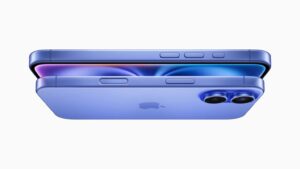
iPhone 16

In a feature published recently, GeeksChalk examined the differences between a real iPhone 16 from Apple and a counterfeit iPhone 16 one of its staff bought in China for just $100. And although the price alone might be enough to make you realize it’s a fake, GeeksChalk found that the devices are strikingly similar.

When they broke the fake iPhone 16 out of the box, they quickly discovered that it “has the same form factor.” The fake handset comes with the same design, the same side buttons, and even uses a USB-C port that works. Whoever designed the fake phone even used the same pentalobe screws Apple employs to make it harder to break into the smartphone and tweak things.

Moving to the packaging, GeeksChalk said that it was nearly identical to Apple’s own packaging. It used the same material and even said “Designed by Apple in California.”

So, if the hardware looks the same, has all the same features, and comes in a nearly identical box, how can you tell it’s a fake? According to GeeksChalk, it’s revealed in the software.

When you turn on the handset, you’ll quickly find that it doesn’t actually come with a Dynamic Island. Instead, the counterfeit creators designed a software Dynamic Island that looks like the real deal but is actually running on its operating system. And although the operating system comes with apps you’d typically see in an iPhone, they’ve been skinned and are actually repurposed Google apps.

GeeksChalk said that the “App Store” on the fake phone crashes often. But when a warning comes up to tell you what happened, it says that the “Google Play Store” had crashed. And although Apple Maps is there, it opens Google Maps. Try the Podcasts app and you’ll see YouTube.

Arguably the most concerning difference, however, is the hackability of the device. GeeksChalk reported that the device comes with “backdoors and malicious apps” out of the box. Sharing information on the handset, then, would be a really bad idea.

Apple and other companies have pressed China to stop counterfeit goods and the Chinese government has cracked down. But the sheer number of counterfeit goods makes it difficult, if not impossible, to stop. And when they’re as close to the real thing as the iPhone GeeksChalk has, it can be even more difficult to stop it.

So, if you’re in China and looking for a cheap iPhone, beware. Chances are, it’s not what you think.
Tag: Fakes

How can you tell fake Magic Trackpad from the real thing? Are you perhaps using fake Magic trackpad without knowing? Here’s how to find out.

  • The best way to tell if your Magic Trackpad is fake is by entering its serial number into Apple’s "Check Coverage" website.
  • This website will tell you if the Magic Trackpad is registered in Apple’s system, which all real Magic Trackpads are.
  • You should also look for typos on the packaging and material of the accessory, and check if it connects with your Mac in the right way.

Magic Trackpad is wireless and rechargeable, and it includes the full range of Multi-Touch gestures and Force Touch technology. Sensors underneath the trackpad surface detect subtle differences in the amount of pressure you apply, bringing more functionality to your fingertips and enabling a deeper connection to your content. It features a large edge-to-edge glass surface area, making scrolling and swiping through your favorite content more productive and comfortable than ever.

Magic Trackpad pairs automatically with your Mac, so you can get to work right away. The rechargeable battery will power it for about a month or more between charges, and it also includes a woven USB-C to Lightning Cable that lets you pair and charge by connecting to a USB-C port on your Mac.

Here are some tips on how to check if your Magic Trackpad is real.

How to tell a fake Magic Trackpad: Inspect the box and packaging

Fake Magic Trackpad boxes are often poorly made, with typos and grammatical errors. The packaging may also be missing important information, such as the serial number and model number.

How to know if Magic Trackpad is fake: Check the Design

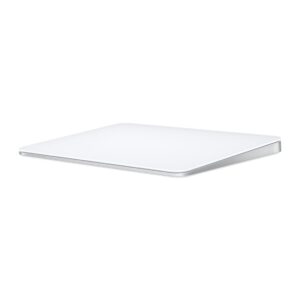
The design of the Magic Trackpad can also signal to you whether it’s fake or genuine. You can compare the design of the Magic Trackpad in your hand with the one on the image provided below, and if you notice any extra ports, buttons, or shape differences, you’re holding a fake.

Magic Trackpad in White showing its large edge-to-edge glass surface area for easier scrolling and swiping.  

How to spot a fake Magic Trackpad: Try Charging it

When you connect your Magic Trackpad 2 to your Mac, it automatically charges. If it doesn’t get any power, it might be a fake.

How to Tell If Magic Trackpad is Fake: Check the Serial Number

The most foolproof way to tell if Magic Trackpad is fake is to go directly to the source: Apple. Apple has an online to check a product’s warranty status. Just enter the Magic Trackpad’ serial number and, if you find it there, it’s the real deal. If you don’t, you’ve spotted fake Magic Trackpad. Here’s what to do:

  1. In your web browser, go to Apple’s coverage checking tool.
  2. Find your Magic Trackpad’ serial number: The serial number of your Magic Trackpad is on the bottom surface of the device, along with other markings. It’s a string of 17 letters and numbers.
  3. Enter the serial number, the CAPTCHA and click Continue.
  4. If the tool returns information for that serial number (especially a valid purchased date), the Magic Trackpad is real.

How to Know If Magic Trackpad is Real: Try to Pair it

Another reliable way to tell if Magic Trackpad is fake is by doing something only authentic Magic Trackpad can do.

  • Connect the Magic Trackpad to your Mac using the cable provided with your accessory.
  • Slide the switch on your Magic Trackpad to on, so that the green is visible. Your Magic Trackpad then pairs with your Mac. That means your Magic Trackpad is the real thing.
  • After the Magic Trackpad is paired with your Mac, you can disconnect the cable and use the accessory wirelessly.
  • Your Magic Trackpad automatically connects to your Mac when Bluetooth is turned on. That means your Magic Trackpad is genuine.
  • If you follow these steps but your accessory doesn’t pair with your Mac, we’re sorry to tell you, but your Magic Trackpad is probably fake.

How to Spot Fake Magic Trackpad: bonus tips

Here are some additional tips to help you avoid buying a fake Magic Trackpad:

Only buy from trusted sellers

Avoid buying Magic Trackpad from online marketplaces or unknown retailers.

Be wary of low prices

The retail price for Magic Trackpad is $129.00. If Magic Trackpad is being offered at a significantly lower price than retail, it is likely a fake.

Do your research

Before you buy a Magic Trackpad, read reviews and compare prices from different sellers.

How can you tell fake Magic Mouse from the real thing? Are you perhaps using fake Magic Mouse without knowing? Here’s how to find out.

  • The most foolproof way to know if Magic Mouse is genuine or fake is to go directly to the source: Apple. Apple has an online to check a product’s warranty status. Just enter the Magic Mouse serial number and, if you find it there, it’s genuine. If you don’t, you’ve spotted fake Magic Mouse.
  • You should also look for typos on the packaging and material of the accessory, and check if it connects to your Mac in the right way.

Magic Mouse is wireless and rechargeable, with an optimized foot design that lets it glide smoothly across your desk. The Multi-Touch surface allows you to perform simple gestures such as swiping between web pages and scrolling through documents.

The rechargeable battery will power your Magic Mouse for about a month or more between charges. It’s ready to go right out of the box and pairs automatically with your Mac, and it includes a woven USB-C to Lightning Cable that lets you pair and charge by connecting to a USB-C port on your Mac.

Magic Mouse is a common targets for counterfeiters and some of them look exactly like the real thing — but they never work like it. Here’s how to be sure you’re getting the genuine article.

How to Tell If Magic Mouse is Fake by inspecting the packaging

Although scammers have become quite smart these days, they still make mistakes, which can help you spot fake Magic Mouse. Carefully look at the packaging of the Magic Mouse box, and if you notice spelling mistakes, double spaces, printing issues, and pixelation in photos, then the Magic Mouse isn’t genuine. Even the quality of the packaging material itself can reveal if it’s a fake. Apple pays really close attention to the packaging, so a subpar experience is a good sign of a fake.

How to tell if Apple magic mouse is fake by inspecting the mouse

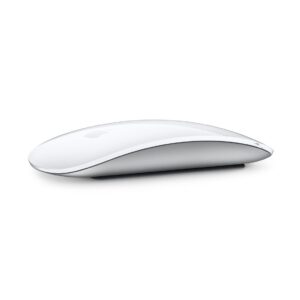
The design of the Magic Mouse can also signal to you whether it’s fake or genuine. You can compare the design of the Magic Mouse in your hand with the one on the image provided below, and if you notice any extra ports, buttons, or shape differences, you’re holding a fake.

Magic Mouse in White, showing its curved design and Multi-Touch Surface.  

How to Tell If Magic Mouse is Fake by checking the Serial Number

If you’re unsure about the authenticity of a Magic Mouse, you can check its serial number to confirm it.

Apple runs a website that lets users check if their products are still under warranty. This is great for checking real products, of course, but it also has the added benefit of telling you when you’re using a fake product.

To use the site, you’ll just need your Magic Mouse serial number.

  • Find the serial number of your Magic Mouse. You can find it on the bottom surface of the Magic Mouse, along with other markings. It’s a string of 17 letters and numbers.
  • Once you’ve obtained the serial number of the Magic Mouse, head over to checkcoverage.apple.com. This webpage will show the relevant warranty and additional coverage details of the Magic Mouse. If your Magic Mouse is genuine, you’ll see proper results. If it’s fake, the website will throw up an error message.

Online purchases

If you’re ordering your Magic Mouse online, you won’t get your hands on it until it’s delivered. So you can check for a few things before placing the order to safeguard your money. Check seller reviews, read user reviews on the listing, and avoid suspiciously good deals. It’s also always better to buy from the Apple Online Store or reputed sellers from Amazon and other popular e-commerce websites.

The bottom line: Don’t act fast

While buying directly from Apple is the safest way to avoid counterfeit Magic Mouse, that’s not always an option for everyone. So, if you’re buying your Magic Mouse from another retailer or as a second-hand unit, make sure you properly inspect it, try to connect it to your Mac, verify the serial number on Apple’s website, and pretty much go through all the steps we listed above. Ultimately, you wouldn’t want to spend cash on a fake product, and scammers can’t mimic every Magic Mouse characteristic. So, if you’re dealing with a fake, then you’re bound to find one flaw or another, assuming you inspect and test it thoroughly. Once you’re confident that the product is real, then proceed to buy it.

Tag: Fakes