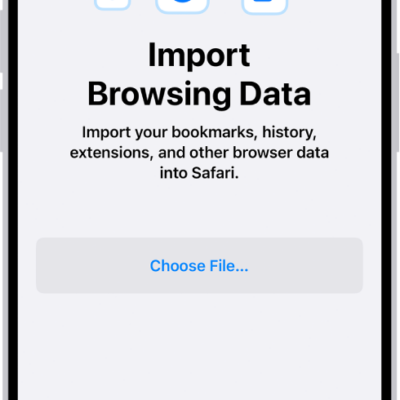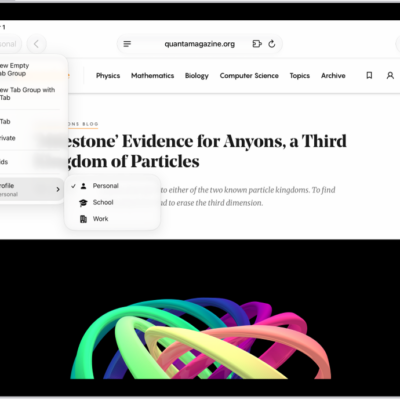




In iOS 26, Safari has received several notable changes. There’s a new look, an updated layout, and a new feature set.
Some iPhone users have reported that Safari is running slowly after upgrading to iOS 26. There could be many reasons why you experience this issue. Thankfully, there are several things you can do to speed Safari up again. This article shows how you can fix the Safari browser if it is slow after upgrading to iOS 26. The purpose is to help speed up Apple’s Safari or determine why it is running slow after iOS 26 update. If you are experiencing one of the following issues, you can use this article to address your problem:
- Safari is so slow and seems frozen.
- Websites are taking a lot of time to load or videos are lagging.
If you are also experiencing these problems, give these tips a try, and hopefully, Safari will be at full speed in no time.
1. Close And Reopen Safari
Closing and reopening Safari can sometimes fix a minor software bug causing it to load slowly. The app gets a fresh start when it’s opened again.
Swipe up from the bottom to the center of the screen. Hold your finger in the center of the screen until the app switcher opens.
Then, swipe Safari up and off the top of the screen. You’ll know Safari is closed when it no longer appears in the app switcher.
Open Safari again to see if webpages are loading faster now. If it’s still slow, move onto the next step!
2. Update Your iPhone
Ensure that your iPhone is running the latest version of iOS 26. Safari is a built-in app and the iOS software includes Safari. This means that updating iOS will also update Safari.
Open Settings and tap General > Software Update. Tap Update Now if a new iOS 26 update is available. After the update is complete, open Safari and see if it’s loading webpages faster now.
3. Clear Your Browsing History and Data
If Safari is running slowly on iOS 26, one of the most common reasons for sluggish speed is that your iPhone accumulated lots and lots of saved website data. This is a normal process, but if too much data builds up over a long period of time, Safari can slow down. Fortunately, clearing this data is easy.
To clear Safari cache, head to Settings > Apps > Safari > Clear History and Website Data. Select All History, then tap Clear History.
Once you do this, relaunch Safari and see if it’s loading up pages quickly enough. If it’s faster for a little while but begins to slow down again, proceed to the next tip.
4. Check Your iPhone’s Storage
If your iPhone storage is almost full, that means it can’t handle much else. Safari, like most apps, uses device storage to store data from the app. And low storage means Safari won’t have enough memory to work.
This is why some users find Safari temporarily faster once they clear their browsing history and data. However, some users might have used so much storage that Safari might not even speed up when you clear the cache.
Luckily, it’s easy to check if this is an issue. All you need to do is head to Settings > General > iPhone Storage and see how much space your iPhone has used. And if it’s almost full, you might have to delete some large files.
5. Check Your Internet Connection
You may feel that Safari is sluggish on iOS 26 because you may have a poor or unstable connection to the Internet. Use another browser (Chrome, Edge, etc) to visit a website. Or try using multiple devices in your home. Do you still experience that your browsing experience is slow? If your answer is yes, then the problem may be your connection. Is the slowness just with one website or with all of the websites you try to visit? If the problem is with just one website, then the problem is that website. However, if all of the websites appear to be slow on all devices and/or using different browsers, the problem may be, again, your connection. If this is the case, try:
Restart your modem/router. Simply unplug it from power, wait 30 seconds and then plug it back in. Wait for your modem/router to fully function (ensure that all of the indicator lights are on).
You can also see the following articles to troubleshoot your Internet problems:
- iPhone Wi-Fi Connected But No Internet Access
- How To Fix Slow Wi-Fi Problems On iOS 26
- iPhone not connecting to Wi-Fi on iOS 26
- iPhone cellular data not working on iOS 26
6. Disable VPN
Is a VPN (virtual private network) running on your iPhone? It’s possible that’s the reason why Safari is slow.
Open Settings and tap General. Tap VPN & Device Management, then tap VPN. Tap the Status switch to turn it off. You’ll know your VPN is off when it says Not Connected.
Once you do this, relaunch Safari and see if it’s loading up pages quickly enough. If it’s faster you may want to look for an alternative VPN app or contact the app Developer to let them know about the issue.
7. Restart your iPhone
If you’ve completed all of the previous steps and Safari is still slow, turn off your iPhone and turn it on again. Turning off your iPhone purges the iPhone’s memory and gives it a fresh, clean start. Open Settings and tap General. Tap Shut Down, then drag the Slide to Power off slider from left to right to shut down your iPhone. Wait a moment, then press and hold the side button until the Apple logo comes onto the screen.
8. Disable Extensions
An extension may cause this problem. Do you have these installed? If your answer is yes, try the following:
We can turn off Safari Extensions temporarily to see if they are causing this:
- Open Settings and go to Apps > Safari.
- Tap Extensions. You will see your installed extensions.
- Turn all them off.
Now check Safari. Is it faster now? If turning off extensions resolves the issue, now determine the problematic extension that is causing this issue. Turn them back on, one by one, until you find the problematic extension. After each extension, you turn it on, test to see if the problem has recurred before turning on the next extension.
9. Reset Network Settings
When all else fails, you can reset your iPhone’s Network Settings. Doing this will reset all network-related connections on your iPhone, hopefully speeding up Safari in the process. Head to Settings > General > Transfer or Reset iPhone > Reset > Reset Network Settings to do this.
Once you do this, you’ll need to set up your network connections again. This means re-entering your Wi-Fi passwords. However, it can clear up a lot of bugs, so it is worth a try if all else fails. You can also reset your iPhone to factory settings as a last resort.
Browse Seamlessly in Safari
Safari comes pre-installed on iPhone. And since it’s the native browser, it works seamlessly across all your apps and Apple devices.
While switching to a third-party browser like Chrome might seem tempting when Safari is slow or lagging, you’ll miss out on a seamless experience. So, it’s worth taking the time to fix whatever issue you’re facing.
See also: Is your iPhone slow after iOS 26 update? Here’s the fix!