



- iMessages are texts, photos, and videos sent between Apple devices using Wi-Fi or cellular data.
- When iMessages are working properly, texts appear in a blue bubble.
- You can troubleshoot iOS 26 iMessage issues by toggling your Wi-Fi, cellular, and iMessage on and off.
In iOS 26, Apple added several long-desired features to iMessage that make for a better experience such as customized backgrounds, an option to create polls, enhanced spam filtering and blocking features, and group typing indicators.
When you send a text using iMessage, it appears in a blue bubble. If you’ve been trying to send iMessages after iOS 26 update and all of your messages are suddenly appearing in green bubbles, then iMessage isn’t working correctly on your iPhone. In this article, I’ll explain how to fix iMessage if it’s not working after iOS 26 update.
What to do if iMessage is not working after iOS 26 update on your iPhone
If iMessage isn’t working on your iPhone, you’re losing out on a couple of key advantages that iMessage has over ordinary SMS text messaging.
iMessages are sent and received as ordinary internet data, so they don’t count against your cellular text plan. They’re also encrypted from end to end, synchronize across all your Apple devices, and let you see when the other person is typing.
All of these features only work with other iPhone users. But if all your text are being sent as Text or RCS, and for those group chats that are only iMessage, it’s not going through at all, it’s time to troubleshoot.
Make sure that you’re connected to the internet
Unlike SMS texting, iMessage require a internet connection, whether it’s from Wi-Fi or cellular data. So if your iMessage is not working on iOS 26, you could have an issue with your internet connection that leads to your iPhone falling back to SMS as afailsafe.
To check if your iPhone is connected to the internet, open up Safari app and try navigating to any website. If the website doesn’t load or Safari says you’re not connected to the internet, your iMessages won’t send either. If you are having problems with the internet connection, here’s what you can do:
- Start the Settings app and tap Wi-Fi.
- Turn Wi-Fi off by swiping the button to the left, wait a moment, and turn it back on with a swipe to the right. Learn what to do if Wi-Fi is not working after iOS 26 update.
- Go back to the main Settings page, then tap Cellular.
- Turn your cellular data off by swiping the button to the left, wait a moment, and turn it back on with a swipe to the right. Learn what to do if cellular data is not working after iOS 26 update.
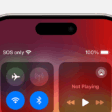
- Make sure you see both Wi-Fi and cellular symbols at the top of your iPhone screen.
Make sure iMessage is turned on
If iMessage is not working after iOS 26 update, try making sure your iMessage service is turned on. Open the Settings app, then select Apps. Scroll down and tap Messages. On this page, make sure that iMessage is enabled.
Make sure iMessage is set up with your phone number and Apple account email address
iMessage works not just with your phone number but with your Apple account email address as well as any email addresses that you have associated with your Apple account. This way, you can send and receive iMessages across your Apple devices. If iMessage is not working on your iPhone running iOS 26, try making sure it’s set up with your current number and Apple account email address.
To do so, go to Settings, then Apps, then Messages. Tap to open the menu item called ‘Send & Receive’. Look under the section titled ‘Start New Conversations From’, and you’ll see a list of the phone numbers and email addresses that are configured to send and receive iMessages on your iPhone. Make sure there is a checkmark next to your phone number and email address you want to use with iMessage. If there’s no checkmark, tap on your phone number and email address to activate iMessage for your number and email address.
If your preferred email address or number isn’t listed, you’ll have to add them to your Apple account first. Here are the steps to do so: From Settings, select your Apple account name at the top, then select Sign-In & Security. Then you can select Add Email or Phone Number and follow the steps to add them to your Apple account.
Check if iMessage is down
We know iMessage stopped working after iOS 26 update. However, there’s a chance that iMessage is down on Apple’s end. Apple has a website that tracks all of its servers and notes if any go offline. Check that the iMessage tab has a green dot next to it — if the dot is yellow or red instead, the iMessage server is having issues.
If that’s the case, just wait for Apple to repair the server.
Figure out whether the problem is on your end or someone else’s
Keep in mind that an iMessage failure can be caused by a problem with your iPhone — or with the person you’re exchanging messages with.
Is iMessage failing with only one iPhone user or with every iPhone user you text with? If necessary, send a short text message to several people and see whether the problem is limited to one person or to everyone.
If iMessage is failing with only one person, perhaps the person you’re trying to reach has their iMessage turned off. In which case, you can try instructing them how to make sure their iMessage is enabled.
Make sure iOS is up to date
Whether it’s iMessages or your phone is acting up in some other way, it’s a good idea to ensure your iPhone is running the most up-to-date version of iOS 26.
To update your iPhone:
- Open the Settings app.
- Tap General.
- Tap Software Update.
- If your iPhone has an update waiting, the page will tell you what it is and what it includes. Tap Update Now and follow the online instructions.
Your iPhone will restart automatically to install the update. Once it turns back on, check if iMessage is working.
Turn iMessage Off, Reboot, And Then Back On
If you are still having your iOS 26 iMessage issue, toggling the entire iMessage service off and back on again might solve the problem.
- Go to the Settings app, select Apps, tap Messages, and toggle off the iMessage button.
- Restart your iPhone by turning it off then back on.
- Go back to the Settings app, select Apps, tap Messages, and turn iMessage back on by swiping the button to the right.
Reset your network settings
Issues with network connectivity can also cause problems with iMessage, and often times restoring your iPhone’s network settings back to factory defaults can resolve an issue with iMessage. Beware this will erase your saved Wi-Fi networks and passwords, so you’ll need to enter them again.
- Go to Settings, select General, then tap Transfer or Reset iPhone.
- Tap Reset.
- In the pop-up window, tap Reset Network Settings and confirm you want to do this.
Contact Apple Support
When all else fails, it’s time to check in with the geniuses. Check out our help article for more information on how to contact Apple Support.
Conclusion
I hope this article has helped you to resolve the issue you’ve been having with iMessage on iOS 26. I look forward to hearing from you about your experiences with iMessage in the comments section below.