



- If your iPhone speakers are not working after updating to iOS 26, there are some simple ways to troubleshoot possible problems.
- To start, make sure that the speakers aren’t muted with Silent mode or with Focus mode.
- You should also make sure AirPlay isn’t enabled and your phone isn’t connected to a Bluetooth audio accessory.
Your iPhone is a dependable device, but like any phone, it has a few parts that are vulnerable to glitches and malfunctions. At the top of the list: the speaker and microphones, simply because they are analog devices with tiny vibrating parts.
And if your iPhone speakers aren’t working after updating to iOS 26, that’s a serious problem — you can’t hear phone calls, music, podcasts, Siri, or notifications. There could be numerous reasons why your iPhone speakers stopped working after iOS 26 update. Here are the top ways to troubleshoot the problem and hear your audio once again.
Make sure the audio isn’t silent or muted
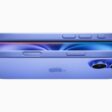
It’s possible you accidentally set your iPhone to a silent mode, so the speaker works fine — it’s just muted. This might seem obvious to some, but it’s easily overlooked if you’re perplexed why there’s no sound coming out of your iPhone speakers when you get a phone call — make sure the iPhone isn’t set to Silent. Take a look at the Ring / Silent switch on the side of your iPhone. If the switch is pulled toward the screen, your iPhone’s ringer is turned on. If the switch is pushed toward the back of the iPhone, your iPhone is on silent and you’ll see a small orange stripe next to the switch. Simply flip the silent switch to the “Ring” position.
If you are using an iPhone 16, iPhone 15 Pro Max or iPhone 15 Pro, go to Settings ⇒ Sounds & Haptics and make sure Silent Mode is turned off.
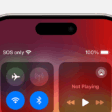
In addition, make sure your phone isn’t in a Focus mode like Do Not Disturb. Swipe down from the top of the screen to reveal the Control Center and make sure the Focus button says Focus rather than another setting. If it says Do Not Disturb, Personal, or another setting, tap it to disable Focus mode.
Make sure you’re not sending audio to AirPlay
If you’ve recently used AirPlay to send audio or video to your TV or another AirPlay device, it’s possible it’s in AirPlay mode. To check, swipe down from the top of the screen to reveal the Control Center and then tap the AirPlay icon at the top right of the music playback section. If another device is receiving audio with AirPlay, tap iPhone to revert back to your own device.
Disconnect audio accessories
Perhaps your speakers are fine, but the sound is going through another device like headphones, earbuds, or a portable speaker that’s still connected to your phone. If that device is far away or has the volume set low, you might not realize it’s playing the iPhone’s sound. The easiest way to solve this problem is to make sure no accessories are plugged into your iPhone and to disconnect Bluetooth. Go to Settings ⇒ Bluetooth to see a list of connections. Disable any Bluetooth headphones, speakers, or other devices that you don’t want to play through.
You can also turn Bluetooth off altogether by toggling the button at the top. However, this will cut off other connections, such as smartwatches. Tap a connected device to disconnect it, or select the i on the relevant device and choose Forget This Device to prevent it from pairing in the future.
Clean your speaker
Is the speaker blocked, obscured, or dirty? That could be keeping you from hearing audio the speaker is trying to play. To clean your iPhone speaker, remove your iPhone case and screen protector if it’s affecting the speaker in any way. Then check to see if it’s dirty. If necessary, carefully use a small, dry soft-bristled brush to clear away any lint, dirt, or grime.
Restart your iPhone
If you’ve gotten this far and your iPhone speaker is still not working properly, you might have a glitch that’s best resolved by turning your iPhone off and then back on again. That can flush out any corrupt data or glitchy software that might be causing your speaker to fail to work properly. Restart your iPhone and then test your speaker again.
Check your sound settings
If certain kinds of sound aren’t playing properly, it’s a good idea to check your iPhone’s settings to make sure they’re not actually disabled or set too low to hear. Go to Settings ⇒ Sounds & Haptics. In the Ringtone and Alerts section, drag the volume slider to the right. You should hear some audio — if you don’t, you may need to seek service from Apple’s customer service.
Repair Your iPhone Speaker
If your iPhone speaker is broken or your iPhone speaker is muffled or won’t work during calls, the good news is that Apple does replace iPhone speakers both at the Genius Bar and through their mail-in repair service at their support website.
By this point, we’ve either fixed your iPhone’s software or we’ve determined that your iPhone speaker is not working because of a hardware problem and you know how to get your iPhone repaired. If you have time, share which fix worked for you in the comments section below—that will help other people with the same problem.
See also: How to Fix iPhone Volume Buttons Not Working After IOS 26 Update