






Got a tip for us?

Sound

A lot of the day-to-day tasks on your iPad revolve around functional speakers. When your iPad speakers aren’t working, you can’t enjoy music, talk to someone on speaker during a FaceTime call, or hear the alerts you receive. This problem can be incredibly frustrating, but it can also be fixed. In this article, I’ll explain what to do if your iPad speaker sounds muffled!

Software Vs. Hardware Issues

A muffled iPad speaker can be the result of a software problem or a hardware problem. The software tells your iPad what sounds to play and when to play them. The hardware (the physical speakers) then plays the noise so you can hear it.

We can’t be sure what type of problem this is yet, so we’ll start with the software troubleshooting steps. If those steps don’t fix your iPad speaker, we’ll recommend a few great repair options!

Is Your iPad Set To Silent?

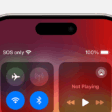
When your iPad is in silent mode, the speaker won’t make any noise when you receive a notification. To check, open Control Center and look for the silent mode icon — if it’s turned on, tap it to turn it off. You can also press and hold the Volume Down button to toggle silent mode.

Turn The Volume All The Way Up

If the volume on your iPad is low, it may sound like the speakers are muffled when you receive a FaceTime call or notification.

To turn up the volume on your iPad, unlock it and press the volume up button on the top or side of your iPad (location varies by model) until the volume is all the way up.

You can also adjust the volume on your iPad by going to Settings > Sounds and dragging the volume slider all the way to the right.

If you want to have the option to turn up the volume using the buttons on your iPad, make sure Change with Buttons is turned on under Settings > Sounds.

Take Off Your iPad Case

If you have a bulky case for your iPad, or if the case was put on upside down, it could make the speaker sound muffled. Try taking your iPad out of its case and playing a sound.

Clean Out Any Gunk From The Speaker

Your iPad speakers can quickly get filled with lint, dirt, or other debris, especially if it has been sitting in your bag all day. Try wiping off the speaker with a microfiber cloth. For more compacted gunk or debris, use an anti-static or an unused toothbrush to clean out your speaker.

Back Up Your iPad And Put It In Recovery Mode

Before you run to your local Apple Store to get a hardware repair done, let’s make sure we’re absolutely certain that the speaker is broken. A recovery mode restore is the last step you can take to completely rule out any type of software problem causing your iPad speaker to sound muffled.

First, backup your iPad. A recovery mode restore erases then reloads all the code on your iPad. You’ll want a recent iPad backup so you don’t lose your contacts, photos, messages, and more.

You can back up your iPad using Finder on a Mac, the Apple Devices app on a PC, or iCloud.

After you’ve backed up your iPad, put your iPad in recovery mode by connecting it to your computer and following recovery mode steps for your specific model.

Before checking if your speakers work, go through steps 1-4 again and then try to play music or use your speaker on a FaceTime call. If the speaker still sounds muffled, it’s time to look into repair options.

Repairing Your iPad Speaker

Apple offers repairs for iPad speakers. You can schedule an appointment at the Genius Bar or use their mail-in service by visiting their support center.

If you have an older iPad, you may want to consider upgrading to a new one instead of paying out of pocket to repair your old one. New iPads have better speaker systems that are great for listening to music or streaming videos.

Can You Hear Me Now?

Now that you’ve reached the end of the article, we’ve either solved your speaker problem or at least figured out that you need a repair. If your problem was fixed, let us know which step helped you figure it out — this might help others with the same problem. Regardless, if you have any other questions, leave them in the comments below!

Tag: Sound

Having problems getting your iPhone to play music, podcasts, or other audio? We outline a few ways to fix no sound problem on iPhone after iOS 26 update.

  • If there’s no sound on your iPhone after iOS 26 update, there are a number of possible causes.
  • Make sure your iPhone isn’t on silent mode, and turn off any Focus modes in the Control Center.
  • You can also make sure audio isn’t being routed to a nearby Bluetooth device.

No sound on your iPhone after updating to iOS 26? It’s a more common problem than you might expect, because there are so many things that can go awry, preventing your audio from working properly. If you’re having trouble with Apple Music not playing, podcasts remaining silent, or any other absence of audio on your iPhone, then obviously something is wrong. Here are a few different methods to fix an iPhone making no sound after iOS 26 update.

Make sure your iPhone isn’t muted

This might seem obvious to some, but it’s easily overlooked if you’re perplexed why there’s no sound coming out of your iPhone when you get a phone call — make sure the iPhone isn’t set to Silent. Take a look at the Ring / Silent switch on the side of your iPhone. If the switch is pulled toward the screen, your iPhone’s ringer is turned on. If the switch is pushed toward the back of the iPhone, your iPhone is on silent and you’ll see a small orange stripe next to the switch. Simply flip the silent switch to the “Ring” position.

If you are using an iPhone 15 Pro, iPhone 15 Pro Max, or iPhone 16, go to SettingsSounds & Haptics and make sure that the Silent Mode switch is off.

See also: How to Fix iPhone Not Ringing After iOS 26 Update

Turn off any Focus modes

You can use Focus to prevent distractions from interrupting you while you work, exercise, drive, or sleep. But it can also sometimes be confusing and prevent sound from playing when you expect it to. Open the Control Center by swiping down from the top right) and check the Focus icon. If it says anything other than Focus, tap the icon to turn it off.

Adjust the volume in the app

It’s possible the sound is dialed too far down to hear, so start the app you are trying to use and then press the volume up button on the side of your iPhone, or slide down from the upper right of the screen to open Control Centre and use the volume control icon to turn up the volume.

See also: How to Fix iPhone Volume Buttons Not Working After IOS 26 Update

Turn off Bluetooth

It’s possible that your iPhone is still securely connected to a Bluetooth audio device like a Bluetooth speaker or earbuds that are too far away to hear. The easiest way to ensure that’s not the case is to simply disable Bluetooth entirely, at least temporarily. Open the Control Center by swiping down from the top right) and tap the Bluetooth icon to turn off the Bluetooth radio. That will release any Bluetooth devices and force the iPhone to use its own built-in speaker.

Make sure your speakers aren’t blocked

It’s possible that some sort of physical obstruction could be muting the sound enough that you can’t hear it. If your iPhone has any sort of case or screen protector, remove it — especially if it might be covering the phone’s speakers. Then inspect the speaker to see if they are possibly blocked or muted by dirt or debris. If so, carefully clean the speakers.

See also: How to Fix iPhone Speakers Not Working After iOS 26 Update

Restart your iPhone

It’s possible that there’s some sort of software glitch preventing your iPhone from playing audio properly. The easiest way to resolve any remaining issues is to restart your iPhone — in other words, to turn your phone off and then back on again. In many cases, your phone will work properly when it’s restarted.

Check the sound settings

If your iPhone still isn’t playing any sound even after the previous troubleshooting steps and restarting the phone, check your sound settings.

  1. Open the Settings app.
  2. Tap Sounds & Haptics.
  3. In the Ringtone & Alerts section, drag the volume slider to the left and right. You should hear some sound.

If you don’t hear anything, it is likely there’s a serious problem with your phone’s hardware. Book an appointment with Apple Support to have your iPhone repaired or replaced.

Tags: iOS 26, Sound
  • If your iPhone speakers are not working after updating to iOS 26, there are some simple ways to troubleshoot possible problems.
  • To start, make sure that the speakers aren’t muted with Silent mode or with Focus mode.
  • You should also make sure AirPlay isn’t enabled and your phone isn’t connected to a Bluetooth audio accessory.

Your iPhone is a dependable device, but like any phone, it has a few parts that are vulnerable to glitches and malfunctions. At the top of the list: the speaker and microphones, simply because they are analog devices with tiny vibrating parts.

And if your iPhone speakers aren’t working after updating to iOS 26, that’s a serious problem — you can’t hear phone calls, music, podcasts, Siri, or notifications. There could be numerous reasons why your iPhone speakers stopped working after iOS 26 update. Here are the top ways to troubleshoot the problem and hear your audio once again.

Make sure the audio isn’t silent or muted

It’s possible you accidentally set your iPhone to a silent mode, so the speaker works fine — it’s just muted. This might seem obvious to some, but it’s easily overlooked if you’re perplexed why there’s no sound coming out of your iPhone speakers when you get a phone call — make sure the iPhone isn’t set to Silent. Take a look at the Ring / Silent switch on the side of your iPhone. If the switch is pulled toward the screen, your iPhone’s ringer is turned on. If the switch is pushed toward the back of the iPhone, your iPhone is on silent and you’ll see a small orange stripe next to the switch. Simply flip the silent switch to the “Ring” position.

If you are using an iPhone 16, iPhone 15 Pro Max or iPhone 15 Pro, go to SettingsSounds & Haptics and make sure Silent Mode is turned off.

In addition, make sure your phone isn’t in a Focus mode like Do Not Disturb. Swipe down from the top of the screen to reveal the Control Center and make sure the Focus button says Focus rather than another setting. If it says Do Not Disturb, Personal, or another setting, tap it to disable Focus mode.

Make sure you’re not sending audio to AirPlay

If you’ve recently used AirPlay to send audio or video to your TV or another AirPlay device, it’s possible it’s in AirPlay mode. To check, swipe down from the top of the screen to reveal the Control Center and then tap the AirPlay icon at the top right of the music playback section. If another device is receiving audio with AirPlay, tap iPhone to revert back to your own device.

Disconnect audio accessories

Perhaps your speakers are fine, but the sound is going through another device like headphones, earbuds, or a portable speaker that’s still connected to your phone. If that device is far away or has the volume set low, you might not realize it’s playing the iPhone’s sound. The easiest way to solve this problem is to make sure no accessories are plugged into your iPhone and to disconnect Bluetooth. Go to SettingsBluetooth to see a list of connections. Disable any Bluetooth headphones, speakers, or other devices that you don’t want to play through.

You can also turn Bluetooth off altogether by toggling the button at the top. However, this will cut off other connections, such as smartwatches. Tap a connected device to disconnect it, or select the i on the relevant device and choose Forget This Device to prevent it from pairing in the future.

Clean your speaker

Is the speaker blocked, obscured, or dirty? That could be keeping you from hearing audio the speaker is trying to play. To clean your iPhone speaker, remove your iPhone case and screen protector if it’s affecting the speaker in any way. Then check to see if it’s dirty. If necessary, carefully use a small, dry soft-bristled brush to clear away any lint, dirt, or grime.

Restart your iPhone

If you’ve gotten this far and your iPhone speaker is still not working properly, you might have a glitch that’s best resolved by turning your iPhone off and then back on again. That can flush out any corrupt data or glitchy software that might be causing your speaker to fail to work properly. Restart your iPhone and then test your speaker again.

Check your sound settings

If certain kinds of sound aren’t playing properly, it’s a good idea to check your iPhone’s settings to make sure they’re not actually disabled or set too low to hear. Go to SettingsSounds & Haptics. In the Ringtone and Alerts section, drag the volume slider to the right. You should hear some audio — if you don’t, you may need to seek service from Apple’s customer service.

Repair Your iPhone Speaker

If your iPhone speaker is broken or your iPhone speaker is muffled or won’t work during calls, the good news is that Apple does replace iPhone speakers both at the Genius Bar and through their mail-in repair service at their support website.

By this point, we’ve either fixed your iPhone’s software or we’ve determined that your iPhone speaker is not working because of a hardware problem and you know how to get your iPhone repaired. If you have time, share which fix worked for you in the comments section below—that will help other people with the same problem.

See also: How to Fix iPhone Volume Buttons Not Working After IOS 26 Update

Tags: iOS 26, Sound

A broken volume button is often unexpected and can be annoying to deal with. After all, we don’t realize how much we use it until it no longer works. Not being able to turn your volume down when an annoying video plays or your song is too loud can also be embarrassing.

If your iPhone volume buttons aren’t working after updating to iOS 26, you should fix them as soon as possible. Luckily, there are plenty of solutions, and you can do many of them yourself.

How to fix iPhone volume buttons not working on iOS 26

1. Turn On Change With Buttons

If you’re trying to increase or decrease the ringer volume on your iPhone using the volume buttons, make sure Change with Buttons is turned on. If this setting is off, the volume buttons will only adjust the volume for things like music, podcasts, and videos when played through headphones or your iPhone’s speakers. This setting is already enabled by default on an iPhone, but it’s possible it was turned off during iOS 26 update.

To check this, go to SettingsSounds & Haptics and toggle on the switch next to Change with Buttons. If this isn’t enabled, this could be why your iPhone volume buttons aren’t adjusting ringer volume on your iPhone. If it’s already enabled, toggle it off and back on.

2. Remove Your iPhone From Its Case

The iPhone is expensive, so it’s likely that most of you use a case to protect it. A lot of the time, cheap rubber cases can jam the buttons on your iPhone and prevent them from working. Try taking the case off of your iPhone and pressing the volume buttons again. If they work now, you’ll need to get a new case. After all, you probably want to keep your iPhone protected.

It’s also possible that prolonged use of a case can cause your volume buttons to get dirty. If that’s the case, proceed to the next step.

3. Restart your iPhone

Like any other gadget, the iPhone isn’t exempt from temporary unit failure or malfunction. If your iPhone’s volume buttons still don’t work on iOS 26, it’s probably due to a temporary volume control malfunction. Restarting your iPhone might fix the issue.

  1. Open Settings.
  2. Tap General.
  3. Scroll down and tap Shut Down.
  4. Drag the Slide to Power off slider to power off your device.
  5. Let your device shut down completely, and then turn on your device by pressing and holding’ the Side button.

4. Clean Your iPhone’s Volume Buttons Using Alcohol

We use our phones so much that dirt and grime can sometimes get under the buttons, especially when not using a case. So, press down on your buttons a few times to check if your iPhone volume buttons are stuck. You might need to clean them if they’re stuck or don’t seem to click down.

To clean your volume buttons, take a cotton swab and dip it in isopropyl alcohol. The best option for cleaning electronics is 99 percent isopropyl alcohol, as it dries quickly and doesn’t contain much water. It also removes dirt and grime by breaking up oils.

Use the cotton swab to clean around your volume button the best you can. If you can push down on the buttons, doing so might help you clean it better. There’s no need to overdo it with the alcohol, as it doesn’t take much to work.

After cleaning, wait a few minutes for the alcohol to dry. If your volume buttons are working now, great! If they are only working a bit better, that’s a sign that they are still dirty, and you should keep cleaning them. Unfortunately, if your iPhone volume buttons are completely stuck, you’ll probably have to get your iPhone repaired. Scroll down to the bottom of this article to explore your volume button repair options!

5. Control Your iPhone Volume Without Using Volume Buttons

If the volume buttons are stuck and you can’t get your iPhone repaired anytime soon, you can use other methods to adjust the volume. If you use apps like Spotify, you can control the volume within the app without a physical button. If all else fails, there are still ways to control your volume without using the buttons.

When iPhone is locked or when you’re using an app, you can adjust the volume in Control Center. Open Control Center, then drag the volume slider.

You can also use Siri to turn the volume up or down. Activate Siri and say something like: “Turn up the volume” or “Turn down the volume.

If you have AirPods, you can say, “Hey Siri, turn up the volume.” Other Bluetooth headphones typically have built-in volume controls, which you can use as well. This means that you won’t have to keep going to your phone when you want to change the volume.

To adjust the ringer volume, go to SettingsSounds & Haptics. Use a finger to drag the volume slider below Ringtone & Alerts. The further left you drag the slider, the quieter your iPhone will ring. The further right you drag the slider, the louder it will ring. When you drag the slider, a pop-up will appear on the center of the display to let you know the ringer volume has been adjusted.

6. Update Your iPhone

An iOS 26 bug can also cause your iPhone volume buttons to stop working properly. To be safe, try updating your iPhone to the latest iOS 26 version and see if it resolves the issue.

You can update it by heading to SettingsGeneralSoftware Update. Here, you can see if a new iOS version is available. If you’re using a beta version of iOS, it might be time to switch back to the stable public build and report this issue to Apple.

7. Reset or Restore Your iPhone

Sometimes, firmware updates can change how the buttons on our phones work. Since your iPhone’s volume buttons stopped working after updating to iOS 26, try restarting your phone by going to SettingsGeneralShut Down. Drag the Slide to Power off slider towards the right to power down your iPhone. Wait a few seconds, then press the power button to power your iPhone back on.

If that doesn’t help, you might need to reset your device. This means backing up your iPhone and erasing all the content settings. A full reset might also work if your iPhone volume button stops working after an app download or a jailbreak attempt.

To do this, first, you’ll need to back up your iPhone. Then, go to SettingsGeneralTransfer or Reset iPhoneErase All Content and Settings.

This will wipe your phone clean and essentially make it like new. Before restoring a backup, go into the device and test the volume buttons. If they work, restore your backup.

In some cases, restoring your backup might make them not work again. If that’s the case, it might have been an app you tried to download, or your backup could be corrupted. Sadly, this means starting from scratch unless you have an older backup you can try restoring.

8. Get Your Volume Buttons Repaired

If cleaning your buttons and resetting your iPhone doesn’t fix the volume buttons, you most likely need to get the buttons repaired. This is especially true if you recently damaged your iPhone or exposed it to water.

Your best bet for a reliable repair is to set up an appointment at the Apple Store near you and get your iPhone diagnosed by a licensed technician. Alternatively, you can reach out to Apple’s support team online, through the mail, or over the phone to find out what your repair options might be.

Turn Up The Volume!

Your volume buttons are working again! Next time your iPhone volume buttons are not working after an iOS update, you’ll know how to fix the problem. Drop a comment down below and let me know which fix solved your iPhone’s problem!

Tags: iOS 26, Sound

If you’re iPhone doesn’t ring, there are a few reasons that might be happening — and a few tactics you can try to get things back where they should be. There is probably nothing wrong with your iPhone’s speaker and hardware. However, with so many settings and features, your iPhone may not be ringing due to your settings. For example, you may have set your iPhone to vibrate only or silent mode, or you may have turned on Do Not Disturb. In this article, I’ll explain why your iPhone won’t ring and I’ll show you exactly how to fix it. These tips will help you regardless of the call type, such as regular calls, WhatsApp, Skype, Instagram and so on.

Your iPhone’s mute switch is on

Most of the time, the reason your iPhone isn’t ringing for incoming calls is that mute switch is on. Make sure your iPhone’s mute switch isn’t on. On most iPhones Apple refers to this as the “ring/silent” switch, and on the iPhone 15 Pro and Pro Max, mute is one of the possible functions for the Action button. Needless to say though if the mute toggle is on, your phone is only going to vibrate for incoming calls, not ring.

To fix this, put your phone back in Ring mode by pressing the Ring/Silent switch towards the screen. You’ll find this switch on the top-left side of your iPhone, above the volume buttons.

When in Ring mode, the slider will be closer to your iPhone’s screen. In Silent mode, it displays an orange strip.

You can bring an iPhone 15 Pro out of silent mode by going to Settings > Sounds & Haptics, then turning off Silent mode.

The ringer volume level is all the way down

If your ringtone volume is too low, you may not hear a call coming in if your iPhone is in your bag. So, it may appear that your iPhone didn’t ring at all.

If the volume is too low to hear it ringing when a call comes in, you’ll want to make your iPhone louder. Open the Settings app, tap Sound & Haptics, and then drag the Ringtone and Alert Volume slider until it’s loud enough to be heard.

Silence Unknown Callers is turned on

If your iPhone is not ringing for calls made by callers who are not in your contact list (or from a number you have not called), this is the reason.

If you want your iPhone to ring for all calls, open the Settings app and tap Phone. Tap Silence Unknown Callers and then, on the Silence Unknown Callers page, swipe the button to the left to turn it off.

Call Forwarding is turned on

Another possible reason is that you turned on call forwarding on your iPhone. When call forwarding is enabled, your iPhone won’t ring when you receive a call, and the call will be directly sent to the forwarded number.

It’s easy to check to see if you have set up call forwarding on your iPhone and to turn it off. Open the Settings app and tap Phone. Tap Call Forwarding, and then turn off Call Forwarding by swiping the button to the left.

Focus mode is enabled

If Focus Mode is enabled, your iPhone won’t ring when you get a call. Focus feature is designed to silence calls, alerts, and notifications on your iPhone.

To check if you have Do Not Disturb or Focus turned on, swipe down from the top-right corner of your iPhone’s screen to open the Control Center. There, look at the rectangle next to your brightness controls — if it says Do Not Disturb, Driving, Sleep, or something similar, it’s turned on. Tap this button to disable your Do Not Disturb or Focus mode.

Auto-Answer Calls is turned on

Auto-Answer Calls is an accessibility feature that may cause your iPhone to not ring. Open the Settings app and tap Accessibility. Tap Touch followed by Call Audio Routing and ensure that Auto-Answer Calls is off with the button swiped to the left.

Communication Limits is enabled

One reason why you have an iPhone ringing problem may be because you’ve set up Communication Limits in Screen Time. You can set communication limits based on your contacts.

It’s easy to check to see if you have set up Communication Limits on your iPhone and to turn it off. Open the Settings app and tap Screen Time. Tap Communication Limits and check Everyone for During Screen Time and During Downtime.

Tag: Sound