






Got a tip for us?

iOS 27

Summary

  • You don’t need another Apple device to use the Find My service to locate your lost iPhone 18 Pro Max.
  • Find My gives several options to help find your missing iPhone besides spotting it on the map.
  • Your options may be limited if your lost iPhone isn’t powered on or connected to the internet.

There’s no need to panic when your iPhone 18 Pro Max goes missing. Regardless of where you lost your device, Apple’s Find My app simplifies the tedious process of locating it. We’ll teach you how to use Find My to track and find your lost iPhone.

Accessing Apple’s Find My Network

You can use the Find My app to locate any of your Apple devices and even choose to get directions to that location and lock the device until you arrive. Since you lost your iPhone, you have two options to access the Find My network.

Find My is enabled on iPhones by default. However, if you disabled this setting before you lost your iPhone, it won’t appear on Apple’s Find My network.

1. Use Your Other Apple Devices

If you own more than one Apple device, like an iPad or Mac, you can use the Find My app on it to locate your missing iPhone 18 Pro Max. Use the Spotlight search feature to find and open it quickly. If you still can’t find it, download it again from the App Store.

Download: Find My (Free)

After opening the Find My app on your iPad or Mac, head to the Devices tab to view all the devices linked to your Apple Account, including your lost iPhone.

2. Use the iCloud Website From Any Device

If you don’t have any other Apple devices, you can use a non-Apple device, like your Windows PC, to access the iCloud website instead. It doesn’t matter if you use someone else’s device for this as long as you remember to sign out afterward.

Open any web browser on any device, head to icloud.com/find, and sign in with your Apple Account. You should be able to view all your devices under the All Devices section. The web version of the Find My app offers all the same features you need to locate your lost or stolen Apple devices.

How to Locate Your Lost iPhone on Find My

Find My uses Wi-Fi and Bluetooth signals to show the approximate location of your iPhone. The location is usually accurate to within a few hundred feet.

However, if Find My shows your iPhone 18 Pro or iPhone 18 Pro Max as offline, you may only see its last known location—if there is one. Offline devices can show up with a black screen in the Find My app. This might happen if your device ran out of battery or if someone turned it off.

As mentioned earlier, there’s no point in using Find My if you disabled the feature on your lost iPhone. It won’t appear in the list of devices when you open Find My.

Get a Notification When Your iPhone Goes Online

If your lost iPhone is offline, you can set Find My to notify you when it goes online again. This would happen when someone powers on the device or if it connects to Wi-Fi or Bluetooth again.

To set this up in Find My, select the missing iPhone and toggle on Notify When Found. On a Mac, you need to select your offline device and click the Info (i) button next to it on the map to access the Notify When Found toggle.

The Find My app will send you a notification, and Apple will email you the location of your lost or stolen iPhone as soon as it goes online.

Get Directions to Your Lost or Stolen iPhone

If your lost iPhone is online, you can use the Find My app to get directions to its location. Select your device in Find My and hit Directions. On a Mac, you need to select your iPhone in Find My, then click the Info (i) button next to it on the map to access this option.

Apple Maps will launch and load a route from your current location to your lost device. Unfortunately, you won’t find this option in Find My’s web client. You’ll only see it in the Find My app on one of your Apple devices.

You shouldn’t try to retrieve your iPhone 18 Pro Max if you believe it was stolen. Instead, follow the instructions below to enable Lost Mode and contact law enforcement agencies to tell them where it is.

Play a Sound to Find Your Missing iPhone

The Find My app only offers a vague location for your lost iPhone. This might help you narrow it down to work, home, or the supermarket. But you’ll still struggle to find it if it’s tucked beneath a couch cushion or at the bottom of the laundry basket.

Fortunately, you can use Find My to make your iPhone play a loud sound, making it easier to find when you’re nearby.

You’ll find the Play Sound button once you select your missing iPhone in Find My, whether you’re using the web client or the native app on iPhone or iPad. On a Mac, remember to click the Info (i) button after selecting it to access this option.

Your iPhone will keep playing a sound until you find and unlock it or someone else powers off the device. Note that your iPhone must be connected to the internet for this to work.

Enable Lost Mode if You Still Can’t Find Your iPhone

It’s always a good idea to enable Lost Mode if you can’t get your hands on your missing iPhone right away. The Lost Mode option on Find My suspends Apple Pay and locks your device. And if your missing iPhone doesn’t have a passcode set, you’ll be prompted to create one.

You can also use Lost Mode to display a message on the screen telling whoever finds it that this device belongs to you, along with details on how to reach you. Your device will still receive phone calls in Lost Mode, but it won’t display any alerts.

To enable Lost Mode, select your device in Find My, tap the More button, then tap Lost Mode. Then, follow the prompts to create a passcode (if you don’t already have one) and write a message for people to see when they find your iPhone. Then, choose Activate.

Lost Mode keeps your data intact. You won’t lose anything if you recover your iPhone and disable Lost Mode with your passcode.

Only Erase Your Device if You Never Expect to Find It

Find My also lets you remotely erase all the data on your lost iPhone. However, you should only use this option if you never expect to find your missing device again.

When you erase a device remotely using Find My, Activation Lock remains on to protect it. If you erase a device, you can use Find My to locate or play a sound on the device.

We only recommend this option if you’ve given up on ever getting your device back. To erase it, select your iPhone in Find My, tap the More button, tap Erase, then tap Continue.

Keep in mind that your iPhone must be connected to the internet to start this process. Otherwise, you’ll notice that the erase is pending on Find My.

Apple’s Find My app makes locating a lost or stolen iPhone easy. But this isn’t the only tool at your disposal. In fact, there are other ways to find your lost iPhone, which can be handy if you have Find My disabled.

For instance, you can ask friends and family members, or try calling your phone number to listen for the ring if it’s nearby. With these tips, you should be able to get your iPhone back in no time.
Were you so keen to try out the new features coming in iOS 27 that you decided to throw caution to the wind and install the iOS beta on your iPhone 18 Pro Max? Are you regretting it? Note that after a software update is installed for iOS, it cannot be downgraded to the previous version.

While running the beta of iOS 27 gives you a glimpse of what was to come, it’s a beta, which means that it’s likely to be buggy at best, and at worse it could make your iPhone unusable. Those two reasons are why we advise against installing the iOS beta. If you do need to run the beta then run it on a spare iPhone and make sure that everything is backed up before hand.

If you really want to run the iOS beta and you aren’t a developer, the Public beta release should give a slightly more stable version, but even better, wait for a few months and let Apple iron out the initial, iPhone breaking, issues.

If it’s too late for those words of caution, don’t despair. Read on to find out what to do to remove the developer or public beta for iOS 27.

How to switch from iOS beta to the full version

Thankfully, once Apple releases the final version of iOS 27, switching from the beta to the public release is much easier. You don’t need to erase your iPhone 18 Pro Max or reinstall iOS. Instead, you can choose to stop receiving beta updates.

If you’re running the iOS 27 beta and want to receive only public releases in future, follow these steps:

  1. Go to Settings.
  2. Go to General > Software Update.
  3. Tap Beta Updates.
  4. Switch to Off.
  5. Tap Back.
  6. If a newer public release is available, you’ll see it listed under Also Available or as the available software update. Tap Update Now to install it.

If you don’t see a public version of the iOS update, don’t worry. This will be because your iPhone is already running the same build as the public release. In that case, you’ll remain on your current version until Apple releases a newer public update, at which point your iPhone will move back onto the normal public update track.

You will find more information below on how to leave the beta program and stop getting beta updates, which you may want to do now the full version has arrived.

How to stop getting iOS Beta updates

Even after Apple releases the final version of iOS, it continues to issue beta updates while testing upcoming features and fixes. If you no longer want to receive beta software, you can opt out and return to receiving only public releases.

To stop receiving beta updates:

  1. Open Settings.
  2. Tap General.
  3. Tap Software Update.
  4. Tap Beta Updates.
  5. Select Off.
  6. Tap Back.

Now you’ll only receive software updates when Apple pushes them to the general public, roughly once every six weeks, although Apple has no fixed schedule. You can still see that there is a beta update, but your iPhone 18 Pro or iPhone 18 Pro Max won’t volunteer to download them unless you switch Beta Updates back on by following the steps above.

You can rejoin the beta program at any time by returning to Settings > General > Software Update > Beta Updates and selecting a beta option.

How to leave the beta program

If you want no part of the iOS beta program you can remove your device from it. That way you won’t be able to see any Beta updates, and won’t be tempted to install them.

To leave the iOS beta program, follow these steps on the Apple Beta Software Program site:

Remove your device from the iOS beta program.

  1. Sign in.
  2. Click Leave Program.

If you ever decide you want back into the beta program you can head over to the Apple Beta Software Program site and re-enroll your device.

From time to time, the developers of even the most beloved and seemingly perfect iOS app will decide that it’s time for a change, and they will release an update.

Updates happen for a variety of reasons, some good and some frivolous: they may simply tweak the graphics or change the icon, or they may fix a critical bug, add a new feature, or make the app compatible with a newer version of iOS. Occasionally an update will make an app worse, but this is rare, and as a general rule it’s a good idea to install available updates for the apps on your iPhone 18 Pro Max.

Updating your iOS apps is an easy thing to do, requiring only a few taps. It’s also free. In this article we’ll show you how.

Checking if you need any updates

The simplest way to check if any of your apps have updates available is to check the App Store icon on your iPhone 18 Pro Max. This looks like a blue tile bearing a white capital A made out of three lines. Obviously, it also has App Store written underneath.

If the icon has a red circle with a number inside displayed in the upper-right corner, this means updates are ready to be installed. The number inside the circle denotes how many are available.

Installing updates

Tap the App Store icon to open the store itself.

We need to tap the account icon at the top right of the screen. It’s likely to be a picture of your face or your initials.

Tap App Updates, then tap Update next to apps you want to update, or tap Update All. If you’re wary of bad or unnecessary updates, go through them one by one and read the details before hitting Update. Tap More for extra information.

Before you start down either route, make sure you have a Wi-Fi connection. Updates can be quite large and therefore hazardous to your data plan.

Depending on the size of the update, the process might take seconds or a few minutes. You can track the progress by either watching the circle that replaces the Update button as it fills up with a deep blue colour, or by returning to the Home screen where you’ll see that the app icon is now greyed out and also displays a slowly filling circle.

Should you, for any reason, want to stop an update from downloading, just tap the square in the centre of the circle that replaces the Update button, or back on the Home screen you can tap on the app’s icon itself which will then pause the download.

Fixing a frozen update

If the update seems to have frozen, then you can either try rebooting your iPhone to see if that clears the problem or deleting it: Touch and hold the app on the Home Screen or in App Library. Tap Remove App, then tap Delete App. Tap Delete to confirm. Then return to the App Store and reinstall the app. That should clear the problem.

Set up automatic updates

We mentioned earlier that some updates aren’t essential, and you may choose to operate a policy of checking every update before installing it. But it’s a lot easier to simply tell your iPhone 18 Pro or iPhone 18 Pro Max to install them all, as and when they become available.

Is this a good idea? Only you can decide. But the vast majority of app updates fall into three camps: important fixes that absolutely should be installed; free extra content that adds extra levels/options without affecting what you already had; and seemingly pointless updates that you don’t even notice. And in all three cases you would not be adversely affected by turning on auto updates.

There will be the occasional evil update that wrecks a good app, but these are genuinely rare. The author of this article turned on auto updates several years ago and hasn’t regretted it yet – but your mileage, as ever, may vary.

If you decide that this option is for you, go to Settings, tap Apps, tap App Store, then turn on App Updates.

Apple issues a big update to iOS (the operating system that runs on all iPhones) once a year, bringing new features and interface tweaks to many iPhones.

In this article, we run through how to update an iPhone 18 Pro Max to the latest version of the iOS software, including how to prepare your iPhone for a major update, and what to do if you encounter problems, like not having enough space or not being able to connect to Wi-Fi. We’ll also address how to update your iPhone to the latest version of iOS to apply the bug fixes, security patches and additional new features, that arrive throughout the year.

At a glance: How to update an iPhone

Whether it’s a full operating system update, or a smaller ‘point update’, updating iOS is easy.

  1. Before you begin, we strongly recommend that you back up your iPhone.
  2. Open Settings.
  3. Tap General.
  4. Tap Software Update. iOS will check if there’s a new version; if there isn’t, you’ll see the message with the software version and “iOS is up to date.” Sometimes there’s a bit of a wait until the software becomes available, especially on a launch day.
  5. If an update is available you will see it. Tap on Update Now.
  6. Enter your passcode and agree to the terms and conditions.
  7. Your device will download the update in the background. You’ll see an indication of how much time it is likely to take. In our experience this is very far from the mark: the reality can be double or even triple what this estimates! You can at least carry on with other things while the download happens.
  8. Your device will then move onto Preparing Update, which also can take a while.
  9. Once the download has finished you will receive a notification that the update will install.
  10. Now wait while your iPhone Verifies Update. Your iPhone will then shut down, start up, and begin to install the software update. Expect this step to take a while, especially if it’s on the night the software arrives!

How to get your iPhone 18 Pro Max ready for an iOS update

Before you update iOS, especially if it’s a major update, we recommend that you do the following:

  1. Back up your iPhone: You can do this using iCloud, or via the Finder on a Mac or iTunes on a PC. In the past people have lost data like old SMS messages and photos during an update, so we can’t emphasize enough how important this step is!
  2. Make some space on your iPhone: You will need a fair amount of space available for the update. If you don’t have a spare 20GB or so on your phone then delete some apps to make room–you can reinstall them afterwards as you already own them so they are associated with your account. If you still don’t have enough space, iOS will also offer to temporarily remove some files for you.
  3. Plug your iPhone into a power supply: iOS won’t install if your battery is low.
  4. Connect to Wi-Fi: Make sure you’re downloading over Wi-Fi, not via cellular, or you may end up running out of data. Also, check it’s a safe network–we don’t recommend you do this over hotel Wi-Fi, for instance.

Troubleshooting iOS update problems

Unfortunately, as easy as an iOS update should be, and even if you have done all the preparation recommended above, there can be problems. We run through fixes for the most common issues encountered while installing a new version of iOS below.

Problem: I don’t have enough space to update iOS

If you have an iPhone with limited space available, clearing sufficient space to install an iOS update can be stressful.

If you’re low on space you may be worried that you will lose some of your data if you install the new iPhone update. It’s understandable that some people are concerned about this because it’s happened to them in the past. However, it should be the case that once the iOS update has been installed, all your data will be intact, and if it isn’t, well you have a backup don’t you?

If you don’t want to delete lots of your data there is another option available.

Solution: Use your Mac to install iOS

Downloading and installing iOS via the Finder (or iTunes on a PC or an older Mac) is a great way to update iOS if you don’t have enough space on your iPhone 18 Pro or iPhone 18 Pro Max.

  1. Open the Finder.
  2. Plug your iPhone into your Mac.
  3. Find your iPhone in the sidebar on the left of the Finder and click on it. (You may have to confirm that you Trust the device first).
  4. Click on General.
  5. Click Check for Update.
  6. To install an available update, click Update.

By downloading and installing the software this way the iPhone will not require as much space.

Problem: I can’t update iOS because I don’t have Wi-Fi

Are you really excited about updating iOS but don’t have access to Wi-Fi right now? Or maybe you do, but it’s hotel/restaurant Wi-Fi, and you aren’t sure you can trust it? You might be wondering whether you can update iOS using cellular data or mobile data.

Solution: Download using cellular

You need an internet connection to update your device.

Before you start, make sure you don’t use up all your data for the month! Even “unlimited data” isn’t always completely unlimited and you might be penalized later on.

Alternatively, if your Mac happens to be connected to the internet via Ethernet, or another way, you could download iOS using the Finder in exactly the same way as we describe above.

Problem: I can’t see the iOS update!

You may be wondering why your iPhone 18 Pro Max isn’t showing the iOS update as available.

Solution: Check Wi-Fi, battery… or use the Finder to download it

There are a few other reasons why you might not see an update.

  • You might just be too eager. There can be a delay before the big yearly iOS update appears. Inevitably someone you know will see it sooner.
  • You might not be connected to Wi-Fi.
  • Your battery may be low. Apple required your iPhone to be plugged in or your battery to be above a certain level in order to update.

If those points don’t apply to you, try installing via the Finder as we detailed above. Your Mac may be able to see the update.

Problem: The iPhone 18 Pro Max update has frozen

So, you followed all our advice and yet the update is taking AGES! Perhaps your iPhone appears to have frozen, or the update is stuck near the end. What should you do?

Solution: Be patient, check Wi-Fi, restart

First off, it might just be slow, especially if you are updating just after a major update has been issued. Sometimes an update can take all night! Whenever a new iteration of iOS comes out, we recommend giving it a few days just to let the clamor die down and any bugs get ironed out before you put it on your device.

Another reason why an iPhone update might stop is if your Wi-Fi connection has dropped. If you are installing the update a few months after the launch there should be no problems with busy servers or long delays. In that case, if you are having issues with the download time, it may be that your Wi-Fi network isn’t performing.

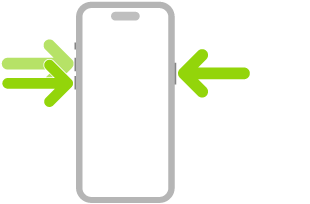
If you think your update has frozen wait a little longer just in case it’s just taking a long time. If you are sure that the update has frozen, rather than just slowed to a snail’s pace, you should restart your iPhone. To force restart your iPhone, follow these steps:

  1. Quickly press and release the volume up button.
  2. Press and release the volume down button.
  3. Press and hold the side button, keep holding it until the Apple logo appears, then release.

    An illustration of iPhone with arrows pointing to the side button on the upper right and the volume up and volume down buttons on the upper left.

Hopefully, you will be able to start the installation again without any problems.

Problem: The iPhone update is stuck Verifying Update

Once the iOS update is downloaded on your device it will be verified by Apple.

Solution: Check Wi-Fi, restart

If your device gets stuck on this screen it may be because your Wi-Fi connection has dropped, so check your internet connection.

If that’s not the culprit then try restarting your device as per the steps above.

VPN or proxy connections might prevent your device from contacting the update servers.

How to upgrade iOS from a beta version

If you previously tried out a beta version of iOS ahead of its full release, you should be able to update to the full version once it launches.

  1. Go to Settings
  2. General
  3. Software Update
  4. Tap on Beta Updates
  5. Tap on Off

Now the next time a non-beta update arrives you should be able to install that version of iOS, without being offered any beta updates.

If you’ve ever tried downloading a large app on your iPhone 18 Pro Max – specifically one that’s more than 200MB in size – when you’re connected over cellular, 3G or 4G rather than Wi-Fi, you’ll be familiar with the warning message that appears.

This has been the reality for several years now, and acts as a safety feature to prevent people accidentally using up all of their data allowance on a couple of games.

Many new titles and large games (such as PUBG) will still be too big to download when you’re away from a Wi-Fi connection.

In this tutorial, we show you how to download apps over 200MB on your iPhone 18 Pro or iPhone 18 Pro Max when Wi-Fi isn’t available.

Why am I affected by the 200MB download restriction?

This problem has been around for a while, but for some reason, it doesn’t apply to everybody. This is probably to do with the mobile carrier your device is on or the region you live in.

If the 200MB download limit doesn’t apply to you, congratulate yourself on your good luck and carry on with your day. But we’ll assume, given that you’ve ended up on this page, that you’ve not been so lucky.

Change the App Store’s cellular download setting

Go to Settings, tap Apps, tap App Store, then tap App Downloads below Cellular Data and choose Always Allow. To allow App Store to use cellular, turn on Cellular Data.

Your iPhone isn’t much good as a smartphone if it can’t download apps from the App Store. Usually, grabbing an app is as simple as tapping the download button, but when that doesn’t work, there are several steps you can use to force an app to download on your iPhone 18 Pro Max.

Why Won’t My iPhone Apps Download?

There are several reasons your iPhone might not let you download any apps, from problems with your internet connection to a lack of storage on your device. Whatever the reason, you can use the troubleshooting steps below to fix it. We’ve listed them starting with the most common issues, that are the quickest to fix, so just work your way down the list to start downloading apps on your iPhone again.

1. Test Your Internet Connection

For your iPhone to download apps from the App Store, it needs a working internet connection. Most of the time, you should connect to Wi-Fi, since cellular downloads use up your data allowance and often only let you download apps smaller than 200MB.

After connecting to Wi-Fi, test your internet connection by streaming a video on YouTube.

If you need to use mobile data to download apps instead, make sure you allow the App Store to use cellular data on your iPhone 18 Pro Max:

  1. Go to Settings > Cellular.
  2. Scroll down to the list of apps and turn on App Store.
  3. Then go to Settings > Apps > App Store, tap App Downloads and choose if you want your iPhone to ask permission before downloading apps over 200MB in size.

2. Make Sure You Have Enough Free Space

Internal iPhone storage is not expandable. You can’t download new apps on your iPhone 18 Pro Max if you’ve already filled up your device with photos, videos, music, and other content.

When this happens, an alert should pop up saying “Not Enough Storage.”

Go to Settings > General > iPhone Storage to see how much free space you have and take a look at which apps are using the most. There are plenty of ways to create more free space on your iPhone if you need to, such as offloading apps, uploading photos to the cloud, or deleting junk that you no longer need. You can do all of this from the iPhone storage settings.

3. Update Your Apple Account Details

Even if you only download free apps from the App Store, you still need to have valid payment information and contact details linked to your Apple Account. See iPhone 18 Pro Max Says Verification Required. It’s possible that the payment details on your account expired, so you should check if you need to update them.

Update your Apple Account details from the iPhone Settings app:

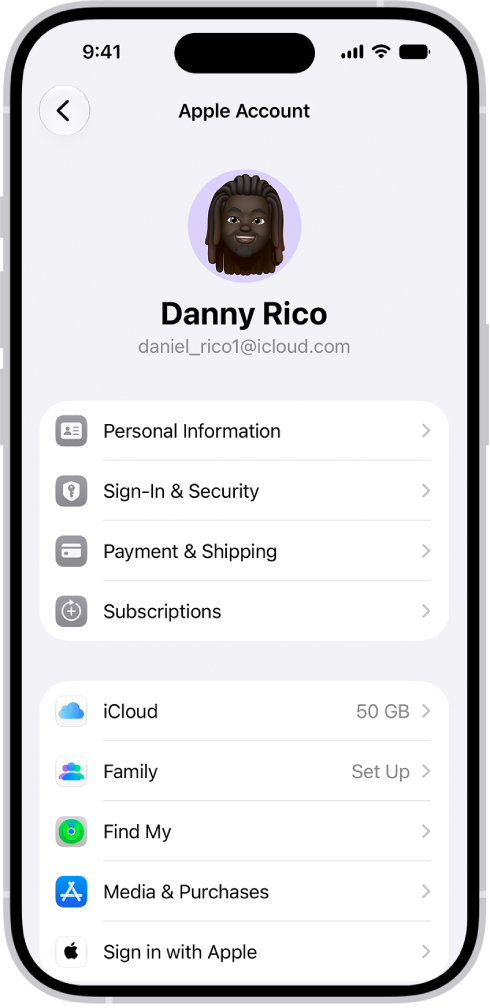
  1. Go to Settings and tap [Your Name] at the top of the screen.

    The Apple Account Settings shown with a list of options including personal information, subscriptions, Find My, and more.

  2. Tap Payment & Shipping to view your payment information.
  3. Lastly, tap Add Payment Method to add a payment method, or use Edit to edit your existing methods.

4. Change the Date and Time

As strange as it sounds, having the wrong date or time set might be the reason your iPhone won’t let you download or install apps from the App Store. This inconsistency causes communication problems between your device and Apple’s servers.

To correct the date and time on your iPhone:

  1. Go to Settings > General > Date & Time.
  2. Turn on the option to Set Time Automatically or choose your Time Zone manually.

If you can’t edit the date and time, you may need to turn off Content & Privacy Restrictions on your iPhone first. We’ll explain how to do that in the next step.

5. Turn Off Content and Privacy Restrictions

The content and privacy restrictions on an iPhone let you limit settings, apps, or features to keep the device safe for children. However, those same limitations explain why you can’t download new apps on your iPhone 18 Pro Max.

To edit your restrictions:

  1. Go to Settings > Screen Time > Content & Privacy Restrictions.
  2. If prompted, enter your Screen Time passcode, which may be different from the standard passcode you use to unlock your iPhone.
  3. Turn off all Content & Privacy Restrictions at the top of the screen or change the following setting:

    1. Tap iTunes & App Store Purchases > Installing Apps.
    2. Select Allow to enable installing apps.

6. Pause and Resume Your App Download

Sometimes, if your iPhone won’t download apps, all you need to do to fix it is pause the download, then resume it again. You can do this from the Home Screen on your device.

While an app is downloading, it should appear on the Home screen as a darkened app icon with a progress circle in the middle. Tap it to pause the download—causing a pause symbol to appear. Wait a few seconds, then tap it again to resume the download.

Alternatively, tap and hold on the app icon to reveal a quick-action menu. You can choose to Pause Download or Resume Download from this menu as well.

Alternatively, you have the option to Prioritize Download from the quick-action menu. This is a good idea if your iPhone is downloading other content as well, since it prioritizes this app above all other downloads.

7. Sign Out of the App Store, Then Sign In Again

Like pausing and resuming downloads, you can fix a lot of software bugs by signing in to the App Store again. This often reveals issues with your Apple Account, like an incorrect password or username.

When you sign out of the App Store, it cancels any app downloads in progress. After signing in again, you need to download the app from the App Store again.

To sign out of the App Store:

  1. Go to Settings > [Your Name].
  2. Tap Media & Purchases, then choose to Sign Out from the popup menu.
  3. Confirm you want to Sign Out.
  4. Now tap Media & Purchases again and sign in with your Apple Account.

8. Quit Every App and Restart Your iPhone 18 Pro Max

After downloading an app to your iPhone, it might appear as a white icon with gray lines running through it. This happens when an app doesn’t download or install correctly. You can usually fix it by restarting your device. This step can also be useful if your iPhone won’t download any apps from the App Store, since you’ll also restart the App Store itself.

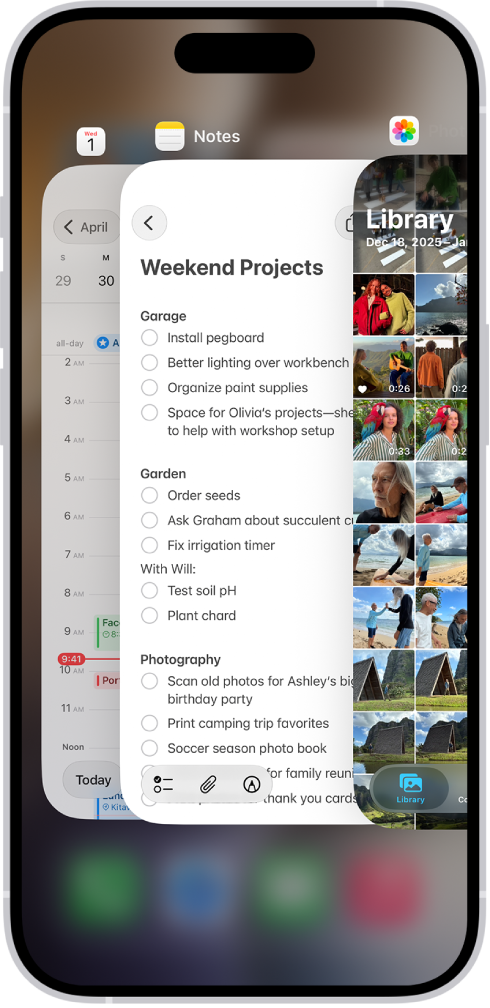
First, swipe up from the bottom edge and pause in the center of the screen to view the App Switcher. Then slide each app off the top of the screen to close it.

The App Switcher. Icons for the open apps appear at the top, and the current screen for each open app appears below its icon.

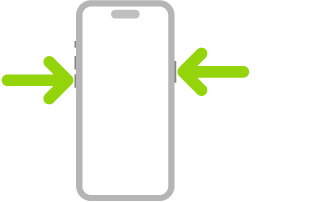
After closing every app, simultaneously press and hold the side button and either volume button until the sliders appear, then drag the Power Off slider.

An illustration of iPhone with arrows pointing to the side button on the upper right and a volume button on the upper left.

Wait 30 seconds after it powers off, then press and hold the side button until the Apple logo appears.

9. Delete the App, Then Download It Again

Sometimes a download becomes so corrupted that the only way to fix it is deleting the half-downloaded app and downloading it again from scratch. If you never used the app before, there’s nothing to lose from doing this.

However, if you were trying to update an app rather than download it for the first time, deleting it might also delete any data you have saved in the app. You should make a backup of your iPhone before deleting apps to protect your data.

When you want to delete an app from your iPhone, tap and hold the app icon on the Home Screen. In the quick-action menu that appears, tap Remove App, then confirm you want to Delete App.

After deleting an app, restart your iPhone and download it again from the App Store.

10. Make Sure the App Works With Your iPhone

Sometimes, you can’t download or install an app because it’s not compatible with your device. This might happen when the app depends on a piece of hardware your iPhone doesn’t have or when the app developer discontinues support for older versions of iOS.

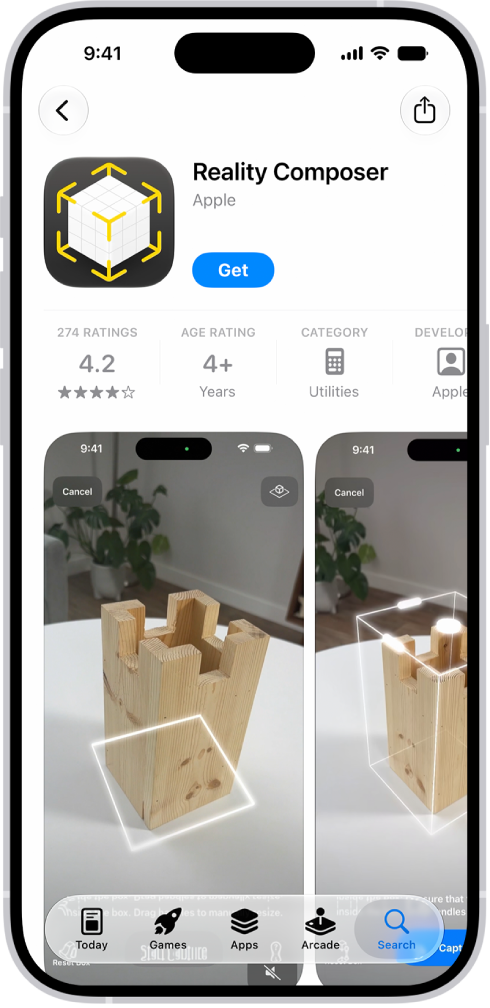
Open the App Store and search for the app you want to download. View the app details and scroll down to the Information section. Next to Compatibility, the App Store lists whether this app should work on your iPhone 18 Pro or iPhone 18 Pro Max or not.

The information page for an app in the App Store. The page shows the Get button, ratings, age ratings, the developer, screenshots, and more. At the bottom, from left to right, are the following buttons: Today, Games, Apps, Arcade, and Search.

Tap the dropdown arrow to view more information about the app compatibility.

If an app doesn’t work with your device, you might need to update iOS on your iPhone to the latest available version. This is a good idea even if the app is compatible, since iOS updates often fix problematic software bugs.

Find Ways to Organize Your Downloaded Apps

By now, you should be able to download as many apps as you want. If your iPhone 18 Pro Max still won’t download apps from the App Store, contact Apple Support for more help.

Want to delete an app that’s taking up valuable space on your iPhone 18 Pro Max? Well, there are a few different ways to make those unused programs disappear. In this article we show you the simple steps needed to keep your device clutter free.

Note that you can always download the app again later from the App Store if you need to use it again, plus Apple won’t make you pay for it a second time.

Can you delete built-in Apple apps from the iPhone?

For a long time it wasn’t possible to remove any Apple apps from iPhones, much to the annoyance of those who preferred alternatives to the usual Apple apps, such as Google Maps, Firefox Focus, and others. But as of iOS 10 most of Apple’s pre-installed apps have been removable and if not deletable, you can at least hide them. We’ll discuss how to hide apps on iPhone at the end of this article.

You’ll be able to follow the steps in the tutorials below to remove Apple apps as well as third party apps you have installed.

Unfortunately, certain apps such as Messages, Photos, Safari, App Store and Settings can’t be deleted as they are closely built into the system, but it is possible to at least change the default app that opens automatically.

How to remove apps from iPhone 18 Pro Max

It’s been simple to remove apps from iPhone for some time, although the methods have changed over the years and new functionality has been added.

  1. To delete an app go to the Home screen and locate the app you want to delete. If it’s in a folder you will need to open that folder.
  2. Touch and hold the app on the Home Screen or in App Library.
  3. Tap Remove App, then tap Delete App. Tap Delete to confirm.

How to delete apps via the App Store

There’s also another easy way to delete apps – use the App Store.

  1. Open the App Store.
  2. Tap your account icon in the top right corner.
  3. On the next page scroll down until you find the app you want to remove.
  4. To delete the app, swipe to the left on its name until you see a red section appear to the right with Delete inside.
  5. Now tap Delete and the app will disappear.

How to delete apps via Settings

Another way to delete apps is via the iPhone Storage section of Settings. One of the benefits of this method is it is easy to pick the largest apps to remove if you are trying to recover space on your iPhone 18 Pro Max.

  1. Open Settings.
  2. Navigate to General > iPhone Storage.
  3. Now you’ll see a list of your apps, sorted by which ones are taking up the most space. To get rid of one, tap it then select Delete App on the next page.

How to remove apps from the Home Screen

If you would rather remove an app but not actually delete it there is a way to do that. This is a good way to hide apps from your Home Screen, perhaps to clear clutter or because you don’t want others to see the apps you use.

In the most recent operating systems you can choose to either delete apps or just remove them from the Home Screen. If you choose the latter they will continue to be accessible via search of the App Library. (App Library organises all the apps on your device in categories that should make them easy to locate. You could choose to just have a few apps on your Home screens – the ones you use most often – but still have access to all your other apps via App Library.)

  1. Find the app on your Home Screen that you want to delete.
  2. Tap and hold the icon until a menu appears. From this select Remove App.
  3. Then on the next panel select Delete App to wipe it from your drive, or, if you’d prefer to keep the app on your device, choose Remove from Home Screen and it will be accessible from the App Library or using search.

How to delete apps that aren’t on the Home Screen

If you have chosen to delete apps from your Home screen following the steps above, only to later decide you don’t want them on your iPhone 18 Pro or iPhone 18 Pro Max at all, how can you delete them? In that case you can delete the apps via the App Library.

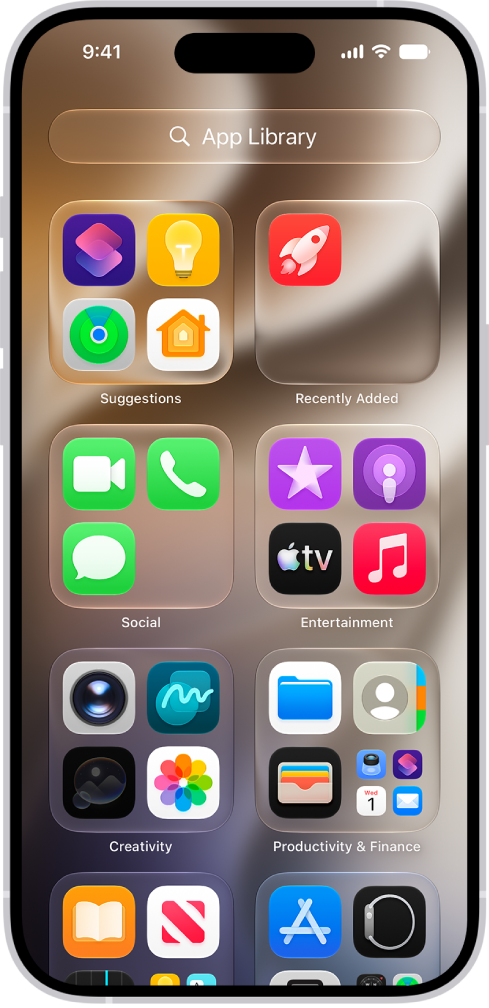
  1. Go to the Home Screen, then swipe left past all your Home Screen pages to get to App Library.

    App Library on iPhone showing the apps organized by category (Utilities, Social, Entertainment, and so on).

  2. Find the app you want to delete. (This should be logical as the app should be stored in a folder that reflects the app category it fits into, however, in our experience this isn’t always the case).
  3. Tap and hold its icon until a menu appears.
  4. Select Delete App.
  5. Confirm your decision by tapping Delete once more.

Of course, should you decide you want to get it back you can go to the App Store and install it once more.

Why can’t I delete some of the Apple apps?

When you’ve tried the steps above, you may have found that there are certain apps by Apple that don’t give you the option to delete them – although you can remove them from the Home Screen by following the steps above. These apps are baked into the iPhone cake as it were, and therefore constitute a part of the operating system itself rather than some bolt-on app. No matter how hard you try, there’s no way to get rid of them. They are as follows:

  • App Store
  • Camera
  • Messages
  • Phone
  • Photos
  • Safari
  • Settings

You can hide these away in App Library.

How to hide apps

The easiest way to hide apps is to remove them from your Home Screen as per the steps above.

They will still be accessible via search, and you can attempt to find them in the App Library.

Hiding an app removes it from the Home Screen, App Library, and search results. A hidden app moves to a Hidden folder in App Library that requires authentication to open.

  1. Go to the Home Screen.
  2. Touch and hold the app you want to lock until the Quick Actions menu opens.
  3. Tap Require Face ID.
  4. Tap Hide and Require Face ID, authenticate, then tap Hide App.

So there you have it, various ways to rid yourself of these troublesome pre-installed apps. Now, go forth and spark joy!

Unfortunately Wi-Fi, 3G/4G or other problems often prevent a smartphone from getting online.

In this article we explain what to do when the internet isn’t working on your iPhone 18 Pro Max, either via cellular data or Wi-Fi (or occasionally both). First we work out whether the problem lies with 3G/4G, with Wi-Fi or with your network provider; or a particular app or service and then we work through the possible solutions for each scenario. We recommend that you follow the advice in the order given, as the steps get slowly more difficult.

We finish up with a few steps to try if the problem appears not to be affecting the Wi-Fi or the cellular connection, but lie with the device itself.

What’s the problem?

The first step when fixing a problem is to find out what the problem is. We need to isolate the malfunctioning part of the equation so we can focus on that.

First of all let’s make sure that you really can’t access the internet at all. Try to do this a few different ways: refresh Mail and see if you get any new emails; open X; browse a few listings in the App Store; try to open new web pages in any additional web browsers you’ve got as well as Safari.

If you’re able to do other things that require internet access but still can’t open web pages in Safari, the problem is with Safari, not with your connection. Jump to the ‘Safari not working’ section below. (On the other hand, if Safari is fine but some random app is refusing to connect, then that app is the problem, and you should try closing it down and restarting, checking for an update and contacting the app maker’s support facility.)

Apps not working?

It’s possible that there is no problem with your internet connection. The problem may lie with the app or apps you are attempting to use.

From time to time Apple’s iCloud, FaceTime, App Store and Messages and other services also go offline.

Of course when your main apps stop working it’s likely that the first conclusion will be that you have no Wi-Fi or 4G connection, but with this kind of circumstance in mind it is worth checking to see if your favourite services are in fact down. You should check a site such as DownDetector to see if any service you use is offline.

Wi-Fi or 3G/4G?

Assuming the internet connection really isn’t working, we need to find out if the problem is with the Wi-Fi, 3G/4G or something else.

This is usually an easy diagnostic to run.

First of all, are you at home, or in another location which supplies Wi-Fi? Have you entered a password for the local Wi-Fi network? In other words, should there be Wi-Fi right now?

The icons in the status bar provide information about iPhone.

If it’s the familiar ‘Wi-Fi’ icon, with three concentric quarter-circles, then hey presto, you’re on Wi-Fi. If not, you might see 4G or 3G, which should ensure a good connection; or GPRS or Edge (or E), which probably won’t, but you may still able to load up the odd web page if you’re patient. If none of these signals appear, you’re not accessing the internet at all.

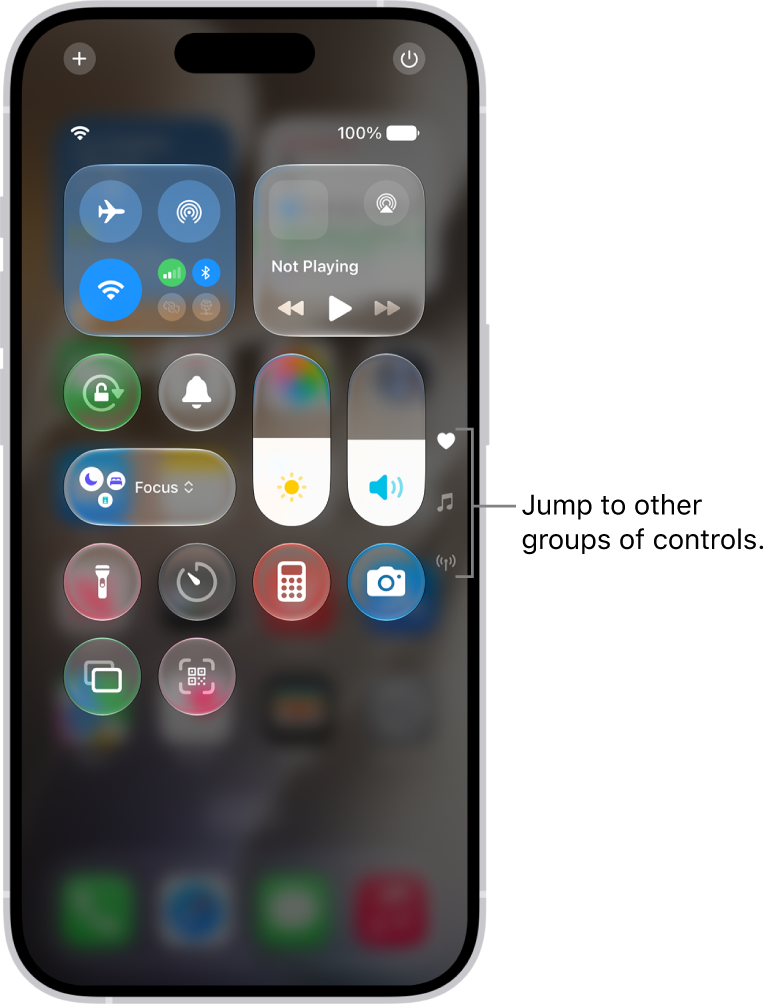
(Incidentally, if you see a little plane icon, you’re in Airplane mode, which by default cuts off internet access. Swipe down from the top-right edge to open Control Center. Tap the plane icon to turn the mode off, and hopefully the problem will be solved.)

Control Center open on the iPhone screen, with icons on the right for viewing other groups of controls.

If you’re expecting Wi-Fi and it’s not appearing, or the Wi-Fi icon is showing but you’re not able to get online, then you’ve got a Wi-Fi problem of some kind. Jump to the ‘Wi-Fi not working’ section.

If you’re away from Wi-Fi access and expecting to get online via 3G or 4G, but those icons aren’t showing up, or if they are but you can’t get online, then that’s the source of the fuss. Jump to the 3G/4G not working section.

And if you’re on GPRS or Edge and aren’t particularly expecting to get a Wi-Fi, 3G or 4G signal, then that’s why you’re struggling to get online. Those kinds of connection are very slow! You can either live with that, or move to an area with a better cellular signal, or a Wi-Fi network you can access.

Safari not working?

Safari can be a tricky app! Here are some troubleshooting steps to try:

Clear website data

Be warned that this method will get rid of your history and cookies, so you may have to re-enter some data, and some frequently visited websites may take longer to open the next time. But it can really help.

Open the Settings app and tap Apps > Safari > Clear History and Website Data, then Clear History.

Check for an iOS update

Normally when an app starts malfunctioning, we’d say to check for an update – a bug might have appeared, and the developer will push out the fix in a (free) update.

You can’t update Safari for iOS, however. It’s part of iOS, really, so if you want the latest version you need to update iOS as a whole.

Open the Settings app and tap General > Software Update. If a newer version of iOS is available for your device you’ll be able to download and install it here.

Close down Safari

To quit the app, open the App Switcher, swipe right to find the app, then swipe up on the app. Now find the app and tap to restart.

The App Switcher. Icons for the open apps appear at the top, and the current screen for each open app appears below its icon.

Restart your iPhone 18 Pro Max

Simultaneously press and hold the side button and either volume button until the sliders appear, then drag the Power Off slider. Give it a minute or two, then press and hold the side button again until the Apple icon appears, and the iPhone will restart.

An illustration of iPhone with arrows pointing to the side button on the upper right and a volume button on the upper left.

3G/4G not working

Simple stuff first.

Check mobile data is switched on

Go to Settings > Cellular and check that the slider next to Cellular Data is green. If it’s not, tap it.

Data roaming

Are you on a trip? If you’re travelling internationally, your iPhone needs to be set up for data roaming. Go to Settings > Cellular > Cellular Data Options, and check that Data Roaming is set to on.

Cellular deadspots

There isn’t 100 percent coverage of even 3G, let alone 4G – or even 5G! – and plenty of rural areas in particular struggle to get a good connection. Some cellular black spots are extremely localised, and if you’re lucky you may just need to stroll down the street a bit.

Data limits

Have you reached your monthly data limit? Remember that monthly data cycles don’t necessarily begin and end on the first or last of the month, but on the day when you started your contract.

Sadly it’s not easy to track data usage limits on iPhone 18 Pro or iPhone 18 Pro Max. If you go to Settings > Cellular and scroll down you can see your Mobile Data Usage, but if you’ve never reset this number it could be unhelpfully enormous. Our advice is to get in the habit of resetting it every month.

Those looking for something a little more comprehensive should take a look at Data Usage, a 49p/99c app we’ve been using ourselves for several years to keep track of our monthly data usage.

Restart your iPhone

Simultaneously press and hold the side button and either volume button until the sliders appear, then drag the Power Off slider. Give it a minute or two, then press and hold the side button again until the Apple icon appears, and the iPhone will restart.

Check your SIM

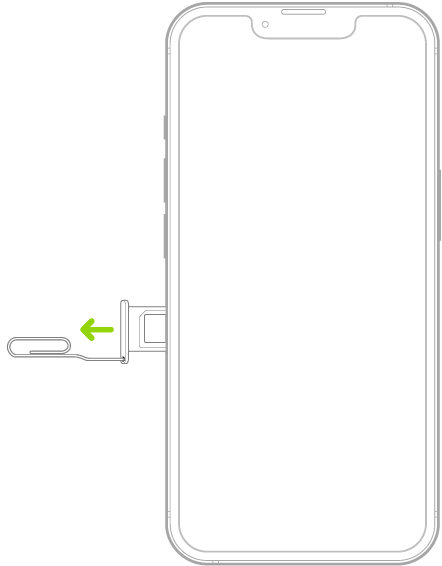
Use the provided SIM-tray tool to take out your SIM, then try to reinsert it. It’s possible that will solve the problem. More likely, you might find that the SIM itself is somehow out of shape or broken. If that is the case you should contact your carrier.

A paper clip or SIM eject tool is inserted into the small hole of the tray on the left side of iPhone to eject and remove the tray.

Note: iPhone 18 Pro Max models purchased in the United States can only be activated with an eSIM.

Carrier settings

The next thing to try is to check that your carrier settings are up to date. This is slightly troublesome as such updates are delivered over the internet, and your phone is offline. But it is more than likely that you got the update before your phone went offline. So go to Settings > General > About. If there is an update loaded to go you will be prompted to install it.

You can check what version of the carrier settings your phone is running by tapping Settings > General > About and looking next to “Carrier”.

Call the carrier

If you can’t identify a problem at your end, it’s possible that your network provider is experiencing outages. If you’re not sure, the simplest way to find out if your provider is having an outage is to ask them, in multiple ways if possible. Send the company an email and a tweet, give them a phone call (although if there is a problem the switchboard will probably be jammed) and look for any kind of status report on the official website.

Hopefully the provider will know of any problems in your area, with your account specifically or with the network at large, and will be in the best position to offer remedies, a timeframe of when the problem is likely to be fixed, and any compensation you’ll be able to claim. If the network is down you may be obliged to use Wi-Fi until it’s fixed.

Wi-Fi not working

Broadly speaking, this is a similar but less complicated situation than that of an iPhone 18 Pro Max for which 3G and 4G won’t work. First we will check all the basics, then we will reboot.

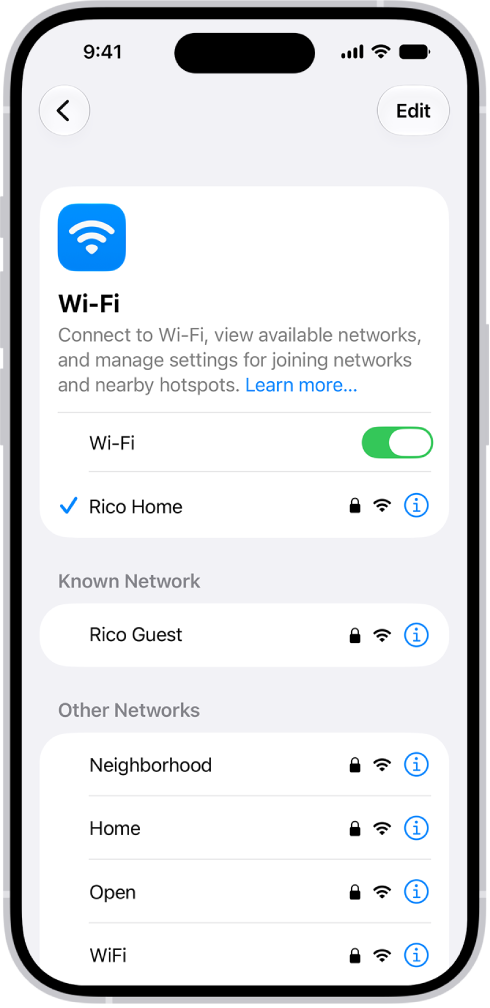
So, go to Settings > Wi-Fi. Check that (a) the Wi-Fi slider is in the ‘on’ (green) position and (b) that you are connected to a network local to you that you recognise, and that has good connectivity. You shouldn’t connect to unknown networks anyway, but if you are doing so now is a good time to unhook.

The Wi-Fi options screen in Settings. Wi-Fi is turned on, and a network is selected.

If all of these things are working correctly, just sanity check the connection by connecting another device to it and opening up a web page. If that can’t connect either then the problem is with the network, not the phone, and you need to check router settings or get on to your broadband provider.

Still not able to get online? Forget the network, and reboot your phone. Once it’s back up and running, go to Settings > Wi-Fi, and rejoin the network.

If you have VPN or security software installed:

  1. Uninstall the software.
  2. Restart your device.
  3. Test the Wi-Fi connection.

If uninstalling the security or VPN software fixes the issue, but you must use the software, contact your VPN manager or security software provider.

Reset network settings only if other solutions fail.

  1. Go to the Settings app on your iPhone.
  2. Tap General, tap Transfer or Reset iPhone, then tap Reset.
  3. Tap Reset Network Settings.

This resets all Wi-Fi networks and passwords, cellular settings, and VPN and APN settings.

Other solutions to try

Okay. We’ll be honest: we hoped this would be fixed by now. Now we really are trying to reset things in the hope that it kicks out a bug.

The last thing to try is to back up and restore your iPhone. Using the charging cable for your iPhone, connect iPhone to the USB port on your computer. In the Finder sidebar on your Mac, select your iPhone. Click Restore iPhone, then click Restore to confirm. But don’t take this the wrong way – we hope you didn’t get this far.

Hopefully our problem is now solved. If all else fails, there might be an issue with your iPhone 18 Pro Max and you need to find your nearest Apple Store or Apple Reseller, and get an expert to take a look.

If you’re experiencing difficulties connecting to iCloud from your iPhone or Mac, then it could be that the service is having issues with its servers or systems. There’s little you can do to fix this, but you can at least confirm the outage and then monitor its progress so you’ll know when the service is working again. We’ll show you how.

Is iCloud down?

Check Apple’s System Status

The best place to go when you suspect iCloud might be struggling is Apple’s own System Status webpage. This is a detailed list of all the online services provided by Apple, with details on the current status of each element and notifications of any planned maintenance.

Alongside the different services in iCloud it also lets you know the current operating status of Apple Pay, the App Store, Maps, Siri, and others. This can be very useful if you’re trying to diagnose an issue with your iPhone 18 Pro Max. Try navigating to the page and then making it a bookmark in your browser so you can quickly check whenever you suspect there’s a problem.

Check an independent status site

While the Apple System Status site is useful, what if the problem that’s affecting iCloud is also causing issues for the webpage? In this case, you can visit one of several independent status sites that monitor online activity across the web.

Probably the most famous, mainly due to its excellent name, is www.isitdownrightnow.com. When you arrive on this page you can search for whichever site or service you suspect is faltering and be presented with the results in seconds. These include a detailed rundown of how the site has been performing over the last few hours, alongside information of the last time it was down.

Another portal that offers the same kind of information is Down Detector. This again provides current status information, recent activity, as well as the most common problems users are experiencing and even a world map showing live outage data.

Visitors can also leave comments so that others will know that they are not alone in their digital plight.

So, if you can’t access your Apple Music files, Siri is out to lunch, or your iCloud documents are unreachable, now you’ll be able to quickly find out if it’s Apple’s fault. Of course if iCloud is reporting back as fine then you might need to visit an Apple Store to see if the problem is hardware related.

Before you head off though there are a few things you can try. First of all make sure that you’re running the latest version of your machine’s operating system. Do this by going to Settings > General > Software Update on your iPhone 18 Pro or iPhone 18 Pro Max and seeing if there are any updates listed.

You see a mysterious message in a window when trying to connect to Wi-Fi: “Paused” with a big blue Pause button. Additional text reads, “Your device has been paused.” At the bottom of the window, you see a domain, captive.apple.com, and a Cancel button. A similar window appears in a view on an iPhone 18 Pro or iPhone 18 Pro Max. The message is clear: you can’t access the internet via this connection.

What’s creating this dialog, and why does captive.apple.com appear in a window that shows it? A Wi-Fi router has produced the message, and Apple’s not involved except in displaying it.

Several years ago, Apple added a clever method (first to Macs and later to iPhones) to let them work effectively at Wi-Fi hotspots that required accessing a portal page. Those hotspot portals hijack DNS (domain naming system), the system that turns human-readable domain names (like www.macworld.com) into computer-manageable Internet Protocol (IP) addresses (like 192.0.66.208).

Before Apple added its trick, you could have connectivity trouble after you connected to a Wi-Fi network and before the network portal let you connect to the internet. If you tried to browse a website, the hotspot redirected you to the local portal. A portal web server displays a login page or other information on the redirection page: you might have to pay, click an Accept Terms button, or log in with an existing account to proceed.

This process is messy because it’s effectively a hack of DNS, which wasn’t intended for such a purpose. When you connected to the network, the portal DNS direct could break all your other internet connections. Your email app would report errors. Favicons (the tiny website icons that appear in browser tab bars) might be shown as a broken image or, worse, change to the portal’s. It was ugly.

Apple interposed itself. When you first connect to a Wi-Fi network, Apple tries to connect to captive.apple.com. It checks the response. If the operating system can’t reach that domain, it interprets that as there being a portal in place, and brings up a dialog in iOS that’s like an embedded browser. It lets you navigate the portal login like a web page, but tells the rest of your apps you’re not connected to a network yet.

In the case of this Pause message, a local router has prevented your iPhone 18 Pro Max from connecting to the internet. The “portal” page it displays is the one that contains the message and graphic—Apple isn’t generating that in any of its operating systems.

On examining one reader’s screen capture, it’s clear that their home Amazon Eero router had “paused” access. That’s an Eero feature that can be used to control scheduled access to the internet on a device-by-device basis. It’s possible that the reader or their home IT expert accidentally enabled this pause mode in the profile.

Other routers have similar features: they can block specific devices by their network IDs or block devices that aren’t on an approved access list.

The solution for the Eero or a similar situation is to apply to your network administrator—which may be you or a family member—to connect to the router and check a box or approve a connection to “unpause.”