


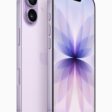
When your iPhone is in your pocket or bag, a vibration helps to inform you about an incoming call or text if you’re unable to hear the sound of your alert tone. If you’re in a quiet place like a library, it’s even more important to ensure your iPhone vibrates instead of rings so that you don’t disturb others.
If your iPhone is not vibrating after iOS 26 update, here is what you can do to fix the issue.
1. Check Your iPhone’s Current Mode
The first thing you should do if your iPhone is not vibrating on iOS 26 is to check if silent mode is enabled. On an iPhone 15 Plus and earlier, make sure that the Ring / Silent switch on the left side of your phone is pushed toward the back of the phone. If you are using an iPhone 15 Pro on newer, go to Settings ⇒ Sounds & Haptics and make sure Silent Mode is turned on.
2. Turn On System Haptics
If your iPhone is not vibrating on silent in iOS 26, make sure System Haptics is enabled. Haptic feedback is an iPhone feature that provides a physical response, usually in the form of a subtle pulse or vibration, as you interact with your device. When System Haptics is off, your iPhone won’t vibrate for messages, incoming calls and other alerts
To turn on System Haptics on your iPhone, go to Settings ⇒ Sounds & Haptics. Then, turn on System Haptics.
If your iPhone Haptics are not working on iOS 26, try turning System Haptics off and back on.
3. Choose the Correct Vibration Option
If your iPhone vibrates on Silent mode but doesn’t on Ring mode (or vice versa), it’s likely because you set a different vibration preference for each mode. To check this, go to Settings ⇒ Sounds & Haptics. Tap Haptics, then choose Always Play or Play in Silent Mode.
4. Turn on Vibration in Accessibility Settings
Besides Sounds & Haptics, another place you need to check is your Accessibility settings. If Vibration is turned off in Accessibility settings, your iPhone won’t vibrate on Silent or Ring mode either.
Therefore, go to Settings ⇒ Accessibility ⇒ Touch, and then toggle on Vibration.
5. Check the Selected Haptics for Each Alert
It’s possible that your iPhone doesn’t vibrate after iOS 26 update because you’ve set your haptics to None. Go to Settings ⇒ Sounds & Haptics. If your iPhone isn’t vibrating when you get a call, tap Ringtone, then, tap Haptics.
This is where you can set custom vibration alerts on your iPhone. But among the haptics options available, notice that one of them is None, which means your iPhone will not vibrate at all if you select this.
Check that you have Synchronized or one of the Standard haptics selected, such as Accent or Alert. If you have Custom selected, tap on it to play the vibration recording and make sure it’s not just an accidental replica of None.
After you select a valid haptics for Ringtone, go back to the Sounds and Haptics page. Repeat these steps for Text Tone, New Voicemail, New Mail, and so on.
6. Update Your iPhone
One of the reasons your iPhone won’t vibrate after iOS 26 update is due to an iOS bug. One way to fix this is to update your iPhone’s software. Apple’s iOS software updates often come with bug fixes and performance improvements.
Therefore, updating your device may be the solution when your iPhone doesn’t vibrate after iOS 26 update. Go to Settings ⇒ General ⇒ Software Update. If an update is available, tap Update Now.
7. Restart Your iPhone
Software glitches can sometimes prevent your iPhone from vibrating, whether it’s on Ring or Silent mode. In such cases, simply restarting your iPhone will resolve the problem, making this troubleshooting step worth trying. Go to Settings ⇒ General ⇒ Shut Down. Drag the power off slider from left to right. Wait a minute, then press the side button to turn your iPhone back on.
8. Reset All Settings
If your iPhone still doesn’t vibrate on iOS 26, you can attempt to reset all settings on your phone. This procedure returns all settings on your device to the default factory state.
If you have a lot of data on your device, the process can take quite a while, so you should only try this method when you don’t need to use your iPhone immediately.
Go to Settings ⇒ General ⇒ Transfer or Reset iPhone ⇒ Reset. Choose Reset All Settings.
Do not accidentally select Erase All Content and Settings, as this will delete all the data on your iPhone.
9. Take Off Any Magnetic Case Or Wallet Cover
We’ve received a few comments from people saying they fixed the vibration problem on their iPhone by removing their magnetic wallet cover. A magnet can sometimes interfere with an iPhone’s vibration motor. Try removing any accessories and taking your iPhone out of its case.
Does your iPhone vibrate now? If not, move on to the next solution.
10. Contact Apple Support
If your iPhone still isn’t vibrating at all, there may be a hardware problem with your iPhone. Generally this means that the vibration motor in your iPhone is damaged and needs replacement. This is a very involved process, so we don’t recommend that you attempt this repair at home.
Make a Genius Bar appointment at your local Apple Store. Be sure to make a full backup of your device before heading to your appointment, because if your iPhone needs to be replaced, you’ll need a backup of your data to put on your new iPhone. Apple also has a great mail-in service if you don’t live near an Apple Store.
Conclusion
We hope this list of fixes helped you solve the problem if your iPhone wasn’t vibrating after updating to iOS 26. Since the old days of Nokia phones, vibrations have always helped us make sure we don’t miss out on a call or text.
When it comes to the iPhone, the key is turning on System Haptics and Vibration and ensuring you have a functioning haptics selected for the alerts.
See also: No sound on iPhone after iOS 26 Update? How to Fix The Issue