

Got a tip for us?

iPhone 14 Pro Max

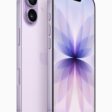
The Apple iPhone 14 Pro and 14 Pro Max are the newest iPhones on the block. These are the most notable differences to help you make the right buying decision.

Earlier this year, Apple unveiled the iPhone 14 Pro and ‌iPhone 14 Pro‌ Max as the successors to the popular iPhone 13 Pro and ‌iPhone 13 Pro‌ Max, featuring an always-on display with the Dynamic Island, the A16 Bionic chip, significantly improved cameras, longer battery life, and more. As Apple’s premium flagship offerings, the ‌iPhone 14 Pro‌ and ‌iPhone 14 Pro‌ Max are the most fully-featured iPhones available.

The ‌iPhone 14 Pro‌ starts at $999 and the ‌iPhone 14 Pro‌ Max starts at $1,099. Although the two phones share the vast majority of features, there are a small number of differences between the devices besides just screen size. Our guide highlights the differences between the ‌iPhone 14 Pro‌ and ‌iPhone 14 Pro‌ Max, and helps to answer the question of how to decide which of these two iPhone models is best for you.

Comparing the iPhone 14 Pro and the iPhone 14 Pro Max

The ‌‌iPhone 14 Pro‌ and ‌‌iPhone 14 Pro‌ Max share virtually all of the same key features. Both phones have the same OLED Super Retina XDR always-on display with ProMotion and the ‌Dynamic Island‌, the A16 Bionic chip, 5G connectivity, a “Pro” camera setup, and are available in the same colors. More interesting is where the two devices differ:

Differences

iPhone 14 Pro

  • 6.1-inch OLED Super Retina XDR display with 2532-by-1170-pixel resolution
  • 23-hour battery life (during video playback)
  • 5.81-inch (147.5mm) height
  • 2.81-inch (71.5mm) width
  • 7.27-ounce (206 grams) weight
  • $999, $1,099, $1,299, or $1,499 for 128GB, 256GB, 512GB, or 1TB storage

iPhone 14 Pro Max

  • 6.7-inch OLED Super Retina XDR display with 2778-by-1284-pixel resolution
  • 29-hour battery life (during video playback)
  • 6.33-inch (160.7mm) height
  • 3.05-inch (77.6mm) width
  • 8.47-ounce (240 grams) weight
  • $1,099, $1,199, $1,399, or $1,599 for 128GB, 256GB, 512GB, or 1TB storage

Unlike some previous ‌iPhone‌ models offered in two sizes like the iPhone 12 Pro and iPhone 12 Pro Max, there are no additional camera improvements to be gained with the larger model this year, meaning that there is even less difference between the two flagship devices than usual.

Final Thoughts

The most important decision point between the ‌iPhone 14 Pro‌ and ‌iPhone 14 Pro‌ Max comes down to screen size, but comfort, pocketability, weight, and battery life are also important considerations. The added $100 in price for the ‌iPhone 14 Pro‌ Max seems fair for the added display area and battery life, but it is important to weigh up these additional factors in your personal use case.

The ‌iPhone 14 Pro‌ Max represents the most you can get out of an ‌iPhone‌ with the best possible battery life, but that does not necessarily translate into a worthwhile purchase for all users. A larger, heavier 6.7-inch ‌iPhone‌ is not for everyone. Some may find the ‌iPhone 14 Pro‌ Max’s size excessive or uncomfortably large to hold, while others will love the larger display for consuming media. Screen size is ultimately a matter of personal preference, and since the ‌‌iPhone 14 Pro‌ and ‌‌iPhone 14 Pro‌ Max share almost all features except for battery capacity, it comes down to individual taste.

Why you should get dirty in Apple’s walled garden.

It wasn’t my plan to betray Google’s mobile platform for iOS. I’ve always enjoyed Android — it’s customizable and “open,” encouraging competition between handset makers and app developers that leads to better products for consumers. If you told me a year ago that I’d be writing a story about buying my first iPhone, I would have called you insane. After all, I’ve been on Team Samsung Galaxy for almost 10 years.

But here I am, the proud owner of a brand new iPhone 14 Pro Max. It’s a little hard to believe given my long relationship with Galaxy phones. But this is real, and let me tell you, I’m glad I made the switch.

But why did I ditch Android for Apple? I was all but ready to get the Samsung Galaxy S22 Ultra only a few short weeks ago. As I’ll detail below, though, the time was right for me to make the jump from Android to iPhone. And while I’m still getting acquainted with my new device, I already know it’s one of the best investments I’ve made. I may even be in love.

Apple does not approve this message

First things first: This assessment was not written using a review unit provided by Apple. I bought this iPhone 14 Pro Max using an upgrade available on my family’s Verizon account and I’ve been using it as my primary handset for about 14 days.

Please also note: this isn’t an iPhone vs Android opinion piece. I deal with enough console war nonsense on Twitter to jump into another Big Brand debate. The purpose of this op-ed is to share my story and to let Android users know what it’s like moving from that platform to Apple. It may be the best decision you could make — it has been for me.

Here’s why I switched from Android to iPhone and why I’m never going back.

iOS provides a smoother experience over Android

As a tech nerd, I’ve had the chance to review Android and Apple products such as the Samsung Galaxy Tab S8 Ultra and iPad Air 5, respectively. I’ve also used the MacBook Pro 14-inch at various times. The latter was my first real experience with macOS and it was somewhat of an eye-opening encounter.

Reviewing Android and Apple devices has revealed how clunky the Android interface actually is. I’ve heard this complaint many times in the past but, since I’ve mostly only used Android devices (Samsung’s phones and tablets), I didn’t see a problem with Android. Now I understand what people have been telling me all this time.

For example, my Android phone and tablets would occasionally lock up or randomly restart. Apps could also become unresponsive and sometimes require me to uninstall and reinstall them. I’m a Windows user and face these same issues on PC. Android’s hiccups seemed perfectly normal. Operating systems are naturally messy, no?

Maybe I was being willfully ignorant, but looking back, I haven’t faced these issues on Apple devices. While being a computing writer has let me become more familiar with Apple, I’m not completely unaware of the company’s devices. I used the first generation iPod touch for many years and also own the 7th Gen iPad released in 2019. Both provided smooth and seamless experiences.

These Apple products just worked, which is something I couldn’t always say about my Galaxy phones and tablets. In retrospect, I knew the iPad 7 was superior to the Galaxy Tab A. As an Android user, I just didn’t want to admit it.

The iPhone experience

Acclimating to iOS 16 wasn’t hard. In fact, it has been a natural transition since I’m already so familiar with the operating system’s basic functions. Aside from downloading and logging in to all the apps I had on my old Android phone, it didn’t take long for me to use the iPhone 14 Pro Max as if I’ve owned an Apple phone for years. Then there are the new (or new to me) features that have enhanced the iPhone experience.

FaceID is easily my favorite iPhone 14 Pro Max feature. Instead of manually entering a password to unlock my phone or to log in to apps, I can just look at my phone. I’m surprised how well this feature works. In fact, it’s kind of scary. FaceID has worked when I’m checking my phone at night with the lights off, while wearing a mask, and even when I’m glancing off to the side. The technology is borderline magic.

MagSafe is another “how the hell did I live my life without this?” feature. I bought Anker’s MagSafe charger and I love how it magnetically locks to the back of the iPhone 14 Pro Max. Best of all, I don’t have to remove my Spigen Tough Armor case for MagSafe to function. I’m glad this is a viable charging option because, for reasons unknown, iPhones still use Lighting cables… but I won’t rant about that here. I also like using the Spigen MagSafe wallet. While it only holds three cards, it’s a great accessory that spares me from having to carry both a wallet and a phone.

Presently, I only have two complaints with the iPhone. Apps aren’t listed alphabetically like they are on Android. Moving apps around on the phone screen is surprisingly cumbersome. Doing so feels like playing one of those sliding puzzle games from when you were a kid, only more annoying.

I also wish there was a blinking light that told me if I had notifications. But considering how I’m no longer distracted by a constant notification light, perhaps I shouldn’t complain.

Customization? I don’t need it

One of the main reasons people prefer Android over iPhone is customization. Where Apple keeps its ecosystem under a tight leash, Android allows for a deep level of customization. In all honestly, I’ve only ever used Android’s basic features. I have no inclination to manually install programs not found on the Google Play Store or to dive into the operating system and tweak things. Apple’s operating systems being restrictive isn’t an issue for me.

With that said, it’s not like I wasn’t able to tailor the iPhone experience to my liking. I use Google’s various platforms for work and my personal life. The first thing I did with my new phone was to install every Google app I needed, such as Google, Chrome, Drive, Maps, Photos and so on. I removed Safari, Apple News, and the built-in calendar from the home screen and replaced them with Google’s equivalents.

Goodbye, Android

I’ve owned an iPhone for just shy of two weeks but I can safely say I won’t be going back to Android phones any time soon. Though Android is a perfectly viable platform that continues to improve, it still isn’t up to par with Apple’s operating systems. And as I said, I don’t care about customization. I just want a device that works and doesn’t give me headaches.

Before I go, I want to apologize to all of the iPhone users I’ve texted over the years. I shouldn’t have subjected you to those garish-looking green text bubbles. Sorry for making you put up with that.

Is App Store not working on your iPhone 14 Pro Max? Is your iPhone 14 Pro Max not connecting to App Store? I’m sure we’ve all experienced an App Store problem at some point in our lives. No matter what the problem is, rest assured there are solutions. Below, we have listed a bunch of solutions that could potentially fix the problem when iPhone 14 Pro Max cannot connect to App Store.

Note: information in this article apply to iPhone 14, iPhone 14 Plus, iPhone 14 Pro and iPhone 14 Pro Max.

App Store is one of those apps we take for granted, mainly because it simply works as a mediator between users and their precious apps. Hell freezes and the sky falls once you encounter the problem of iPhone 14 Pro Max not connecting to App Store, though. How will you download that new app you have been desperately waiting for? There’s no definite manual for fixing the App Store, but we have put together a set of tips and tricks that will most likely help.

How to Fix an iPhone 14 Pro Max That Cannot Connect to App Store

There are several ways to fix an iPhone 14 Pro Max that cannot connect to App Store. If your iPhone 14 Pro Max won’t open App Store, try these fixes, in this order:

1. Make sure it is a user-end problem

Before you go through a bunch of steps attempting to fix a problem, make sure the problem isn’t with Apple itself. The best way to do this is to visit Apple system status page to see if App Store is down. If the problem is on Apple’s side, then you’ll need to wait for Apple to fix it.

2. Force close the App Store

Sometimes a simple force close is all you need when you have issues with the iPhone 14 Pro Max App Store not working! You can do this by simply swiping up from the bottom of the screen and then swiping up on the App Store on the app switcher. After you quit the App, check if your iPhone 14 Pro Max can now connect to App Store.

3. Toggle airplane mode on and off

I’m not sure how much this one works, but I have heard a lot of people say that switching Airplane Mode on and then off will help the iPhone 14 Pro Max connect to the App Store. Hey, it’s not a complicated process, and it’s safe. Why not try, right?

  1. Access your iPhone’s Control Center by swiping down from the top-right of the screen.
  2. Turn on Airplane mode.
  3. Wait a few seconds.
  4. Tap the icon to turn off Airplane mode.

Try to open the App Store. If your iPhone 14 Pro Max won’t connect to App Store, try the next solution.

4. Toggle Wi-Fi off and on

Just like with Airplane Mode, Wi-Fi could be the reason why your iPhone 14 Pro Max cannot connect to App Store. Not to mention, your network may very well be having simple connection issues. Toggle Wi-Fi on and off, and check if your iPhone 14 Pro Max can connect to App Store.

  1. Bring up your iPhone’s Control Center, as mentioned above.
  2. In the top-left block, check if the Wi-Fi is already switched on and lit up as blue. Tap to turn it off if so
  3. Wait a few seconds.
  4. Tap the icon to turn on your iPhone’s Wi-Fi again.

5. Toggle Your iPhone’s Cellular Data off and on

If you are using cellular data to access the App Store, turning your iPhone’s Cellular data function off and back on may fix the issue you are experiencing. It may seem too simple or easy, but refreshing your cellular data connection could solve the problems you’re having. Try switching mobile data off and on, and see if the problem persists. To do this:

  1. Launch your iPhone’s Control Center, by swiping down from top right of your screen.
  2. In the top-left block, check if the Cellular Data icon (an antenna) is already switched on and lit up as green. Tap to turn it off if so
  3. Wait a few seconds.
  4. Tap the icon to turn on your iPhone’s cellular data again.

6. Restart your router

In some cases, you can fix the problem of iPhone 14 Pro Max not connecting to App Store by simply restarting your router. It might seem silly, but give it a try, and you might affect the Wi-Fi magic enough to get App Store going again. Some routers allow restarts to be triggered through an app, while others may have a physical button. If yours has neither, you can unplug the router’s power source and plug it back in.

7. Restart your iPhone

Something as simple as a reboot might do the trick. We’ve found that doing this will solve iPhone 14 Pro Max not connecting to App Store issue. This will take a minute or two so it’s worth a try.

  1. Open Settings.
  2. Tap General.
  3. Tap Shut Down.
  4. Press the Side button to power your iPhone back on.

8. Check your date and time settings

It may seem like a silly suggestion, but this can often cause many App Store issues. This could be due to Apple’s servers having trouble syncing with your date and time settings. Go back and put them on Set Automatically, if they aren’t. If that isn’t helping, try to set your time and date as exact as possible. Just play around with the time and date settings a bit.

  1. Open Settings.
  2. Tap on General.
  3. Select Date & time.
  4. Toggle the Set automatically toggle to get your time from the internet.

9. Disable your VPN

Plenty of users have reported that their iPhone 14 Pro Max cannot connect to App Store when a VPN is enabled. Have you tried deactivating these (if you are using them)? If you’re using a VPN app, you can go into the app and turn off your secure connection. If you added the VPN manually, you can go into the Settings and turn it off.

  1. Open the Settings app.
  2. Tap on General.
  3. Tap on VPN & Device Management.
  4. Disable any active VPN.

10. Update iOS

Another thing that may help is to download and install the latest version of iOS. The most current version of the software is likely to fix the iPhone 14 Pro Max cannot connect to App Store issue, so it’s useful to keep it updated.

You can update iOS wirelessly by following the steps below:

  1. Start the Settings app.
  2. Select General.
  3. Tap Software update.
  4. If an iOS update is available, tap download and install.

11. Reset all iPhone settings

We’re now coming to slightly more drastic solutions. If your iPhone 14 Pro Max still cannot connect to App Store, then you may need to reset all settings on your device. Doing this won’t erase your data, but it can solve the problem of iPhone 14 Pro Max not connecting to App Store.

  1. Open Settings.
  2. Tap General.
  3. Tap Transfer or Reset iPhone.
  4. Select Reset.
  5. Choose Reset All Settings.

12. Reset your iPhone to factory settings

If all else fails and your iPhone 14 Pro Max cannot connect to app store, wipe your device clean and give it a fresh start. At this point, we have no idea what could be causing your App Store discrepancies, but resetting your iPhone to factory defaults will likely fix most of your issues, as it deletes everything on the device and leaves it the way it was when you turned it on for the very first time. You can perform a factory reset by following the instructions below:

  1. Open Settings.
  2. Tap General.
  3. Tap Transfer or Reset iPhone.
  4. Select Erase All Content and Settings.

13. Get help from Apple

If you tried all these steps and your iPhone 14 Pro Max still cannot connect to App Store, you need help from the experts at Apple. You can get online or phone support at the Apple website, or make an appointment at the Genius Bar at your local Apple Store for in-person help.

Fixed iPhone 14 Pro Max cannot connect to App Store issue

We hope one of these methods fixed your iPhone 14 Pro Max cannot connect to app store issue. If nothing helped, the problem has to run deeper than usual, and you should probably contact Apple Support.

Many iPhone 14 Pro Max features are very helpful, but particularly well hidden in the depths of system settings. Other features, on the other hand, are activated by default, but do not benefit you because you rarely use them, if at all. Save your battery and protect your privacy by disabling the following iPhone 14 Pro Max settings.

Note: information in this article apply to iPhone 14, iPhone 14 Plus, iPhone 14 Pro and iPhone 14 Pro Max.

If you just purchased a new iPhone 14 Pro Max, take a peek at its settings. So many categories, so many options within those categories. It’s enough to make your head swim.

And you might find yourself wondering, are Apple’s factory settings ideal? Right out of the box, is the iPhone 14 Pro Max really configured for optimal performance, productivity and battery life?

Not so much. Here are the iPhone 14 Pro Max settings you should consider turning off right away:

1. Disable keyboard suggestions

When you type a message in Whatsapp or write an email on your iPhone, you have probably already noticed the word suggestions that appear above the keyboard. While these can be helpful for slow typers, for nimble fingers the word suggestions usually come too late. If you don’t use this feature you can simply deactivate it, which means one less task for which the iPhone must provide computing capacity.

To do this, go to Settings and move the slider to the left under General > Keyboard and deselect Predictive.

2. Automatically close Safari tabs

On the iPhone a few dozen open tabs can quickly accumulate and paralyse Safari. And even if you do want to keep tabs open finding the one you want among a sea of open tabs can be tricky. If you are someone who rarely closes a tab after use you can have this done automatically in the settings.

Your iPhone can automatically close “tabs that have not been viewed recently” after a day, a week or a month.

In order for is to do this, go to Settings and select Safari > Close Tabs and then the interval you want.

3. Stop app review requests

Annoyed that you keep seeing notifications to review apps in the App Store? If you move the corresponding slider to the left in System Preferences, you can stop these requests for feedback.

To do this, go to Settings > App Store and deselect In-App Ratings & Reviews.

4. Disable automatic app downloads and updates

Apple offers automatic app downloads and updates. This is handy if you want the app that you download on your iPhone to automatically download you on your iPad. But the feature is not always practical, nor are the automatic app updates. Fortunately, you can deactivate both:

To do this, go to Settings > App Store and move the slider to the left for App downloads and App Updates.

5. Stop keyboard clicks

For many users the sound that the iPhone makes when you type is quite an annoying feature. If the iPhone is muted, you won’t hear the sounds, but you don’t always want your iPhone on silent. So what can you do if you don’t want to annoy other people every time you type a message?

Fortunately, you can deactivate the touch tones in the system settings:

To do this, go to Settings > Sounds & Haptics > Keyboard feedback and turn off Sound. In Sounds & haptics, you can also deactivate the lock sound.

6. Disable unnecessary system services

System services includes a list of system-based services on your iPhone that are using your location. Some of these services are necessary like Emergency Calls & SOS, Find My iPhone, and Share My Location. To view your list go to: Settings > Privacy & Security > Location Services > System Services.

When you’re evaluating your list of system services, it’s also important to remember what the purple arrows mean: A hollow purple arrow indicates that an item may receive your location under certain conditions. This is typically referred to as geofencing and will check to see if you are entering or leaving an area. A solid purple arrow indicates that an item has recently used your location. A gray arrow indicates that an item used your location in the last 24 hours.

7. Disable “Analytics and Improvements”

Go to Settings > Privacy & Security > Analytics and Improvements. Turn off the first option “Share iPhone Analytics” and it will disable other analytics reports happening in the background. This should immediately improve battery life.

8. Allowing apps to track you

iOS gives you the ability to disable notifications from apps requesting to track you. When you turn this off, all app requests to track you will be automatically denied.

To disable: Go to Settings > Privacy & Security > Tracking > and then toggle “Allow Apps to Request to Track.” You can also view the apps that currently or previously requested to track you.

9. Disable push email

Do you need your iPhone 14 Pro Max to monitor your email accounts every second of every day? That’s the basic definition of “push” email, which is widely regarded as a huge battery suck.

I’m not a big fan of “fetch,” either, which checks for new mail at designated intervals. My thought: When I want to check for new messages, I fire up the Mail app and check for new messages. Anything else is not only a battery drain, but also a distraction.

Try turning these settings off. To do so, tap Settings > Mail, Accounts, then tap Fetch New Data. Turn off Push, then scroll down to the Fetch section and choose Manually.

Remember: If someone needs to reach you in a hurry, they can still call or send a text message.

10. Background app refresh tweaks

Background App Refresh allows for an app to check for updates or new content while running in the background. To find background app refresh, go to Settings > General > Background App Refresh.

First thing, tap “Background App Refresh” and decide if you want apps refreshing in the background while you’re using data. If you want to limit data use, you should change this setting to Wi-Fi only.

Some apps need background app refresh enabled including Messages and some social media apps. However, does GarageBand need background app refresh enabled? Probably not.

Conclusion

If you just purchased a new iPhone 14 Pro Max, consider turning off these settings to improve performance and battery life. If you’ve made any iPhone 14 Pro Max settings changes you consider essential, hit the comments and name them!

Is your iPhone 14 Pro Max hotspot not working? It can be really frustrating when you need an emergency internet connection and can’t get your hotspot to work. Luckily, we have a few troubleshooting tips for you that may get your iPhone 14 Pro Max hotspot up and running.

Note: information in this article apply to iPhone 14, iPhone 14 Plus, iPhone 14 Pro and iPhone 14 Pro Max.

How to Fix iPhone 14 Pro Max Personal Hotspot Not Working Issue

If your iPhone 14 Pro Max Personal Hotspot isn’t working, follow these solutionss—in this order—to get it working again.

Turn Personal Hotspot Off and On

Sometimes you need to reset your Personal Hotspot to get it working again. Do that by turning it on and off: Go to Settings > Personal Hotspot > move the Allow Others to Join slider to off/white and then back to on/green.

Turn Cellular Data On and Off

Since your iPhone personal hotspot lets other devices use your cellular data to connect to the internet, turning your cellular data off and on again can sometimes act like a “reset,” like how sometimes all you need to do to make a gadget work again is to turn it off and back on. Go to Settings > Cellular > move the Cellular Data slider to off/white and back to on/green.

Restart iPhone to Fix Personal Hotspot

You know how we just talked about how sometimes all you need to do to get something to work is turn it off and on again? Well, if none of the above options have worked, that’s what it’s time for now. Go to Settings > General > Shut Down.

Update iOS

If your personal hotspot is enabled and still not working, you may want to try updating to the latest available version of iOS. You can tell if you need an update by going to Settings > General > Software Update.

Enable Maximize Compatibility

The iPhone 14 Pro Max offers different networking features and options than earlier devices, including 5G. These options can sometimes cause a problem for older models connecting to them. Solve this by going to Settings > Personal Hotspot > move the Maximize Compatibility slider to on/green.

Update Carrier Settings to Fix iPhone 14 Pro Max Hotspot problem

Like iOS, sometimes your cellular carrier will need to make updates. These settings control your iPhone’s ability to operate on your carrier’s network: they allow you to make calls, text, and use cellular data. Since hotspots depend on cellular data to work, if these settings are out of date, you may not be able to use your hotspot until they’re updated.

When carrier settings need to update, you may see a notification asking for your permission to install these updates (or, in the case of mandatory updates, letting you know that those updates are happening). If you’ve put off these updates, you can check for any available updates:

Go to Settings > General > About.

Confirm Your Phone Plan Includes Personal Hotspot

Have you changed your phone plan recently or switched phone companies? Personal Hotspot might not be working because your plan doesn’t include it. Most phone companies’ data plans include Personal Hotspot these days, but some don’t. You may also be able to remove the feature. So, before you do anything else, log into your phone company account and make sure your plan includes Personal Hotspot. If it doesn’t, add it.

Reset Network Settings

If you’re still stumped, it may be time to try resetting your network settings. I’ve left this tip until now because it can be a bit of pain to reconfigure your Wi-Fi and settings as you like them after resetting, but sometimes it’s the only option. You can reset network Settings by going to Settings > General > Transfer or Reset iPhone > Reset > Reset Network Settings.

Make Sure There Are No Problems With Your Phone Company Account

If you’ve tried all of these methods, and your iPhone 14 Pro Max hotspot still doesn’t work, it may be time to look for outside help. Consider contacting your cellular provider to see if there is any reason on their end your hotspot might not be working.

What to Do If iPhone 14 Pro Max Personal Hotspot Still Isn’t Working

At this point, if iPhone 14 Pro Max Personal Hotspot still isn’t working, it’s time to bring in the experts. You can contact Apple support for help over the phone or make an appointment for in-person support at your local Apple Store. If anyone can help with a problem this stubborn, it’s Apple.

Is AirDrop not working on your iPhone 14 Pro Max? Fortunately, you don’t have to pull a lot of strings just to get it back going again. In this article, we will show you various tips you can use to fix the problem of AirDrop not working on iPhone 14 Pro Max.

Note: information in this article apply to iPhone 14, iPhone 14 Plus, iPhone 14 Pro and iPhone 14 Pro Max.

Many iPhone 14, iPhone 14 Plus, iPhone 14 Pro and iPhone 14 Pro Max users have reported issues with their AirDrop. So, before we proceed further, know that you are not alone in your struggle.

We’ll walk you through some common AirDrop issues you may be facing with your iPhone 14 Pro Max and offer a series of solutions to help you out. So, without further ado, let’s get started.

AirDrop problems on iPhone 14 Pro Max

  • AirDrop keeps saying it’s waiting
  • AirDrop fails to save an item
  • You cannot detect other AirDrop devices around you
  • AirDrop cancels or declines transfers
  • Slow transfers of files
  • AirDrop is not showing up at all on your device

Top Ways to Fix AirDrop Not Working on iPhone 14 Pro Max

1. Update iOS

Before you go through any other troubleshooting steps for your iPhone 14 Pro Max AirDrop issues, make sure you’re using the latest version of iOS.

  1. Open your Settings and select General.
  2. Choose Software Update. You should notice an indicator next to the feature name if an update is available.
  3. Tap Download & Install and follow the prompts to update your iPhone.

After you install the update, check if AirDrop is working. If you do not have a software update available or the update did not fix your iPhone 14 Pro Max AirDrop problem, move on to the next solution.

2. AirDrop Not Working on iPhone 14 Pro Max? Make Sure You Are Discoverable

AirDrop has a few settings that control if others can see your iOS device. These settings can block devices from appearing, or only allow some individuals to be able to see you.

AirDrop uses three discovery settings:

Off: Your device is not seen by anyone on your local network.
Contacts Only: Only those people who are present in your Contacts app will be able to see your device in their AirDrop network.
Everyone: All devices that are nearby and have AirDrop enabled will be able to see your device.

If you’re having trouble getting AirDrop to work, try switching to Everyone if it’s not already selected.

  1. Open your Settings and select General.
  2. Select AirDrop.
  3. Choose Everyone.

3. Make sure Wi-Fi and Bluetooth are Enabled

AirDrop relies on both Bluetooth to detect devices within 30-feet and Wi-Fi to perform the actual data transfer. If either Bluetooth or Wi-Fi is not turned on AirDrop will not function.

4. Make Sure Your iPhone Is Awake and Unlocked

Your iPhone needs to be awake to be visible to other AirDrop devices. AirDrop requests will appear as notifications on your lock screen when your device is locked. For best results, make sure your device is awake, unlocked, and ready to receive.

5. Disable Focus Mode

If Focus mode is enabled on your iPhone 14 Pro Max, you won’t be able to receive AirDrop requests. To disable Focus mode, go to Settings > Focus. You can also toggle the Focus icon in Control Center.

6. Disable Personal Hotspot

You cannot use AirDrop if you have a Personal Hotspot connected. To disable Personal Hotspot, follow these steps:

  1. Open your Settings and select Cellular.
  2. Toggle Off “Personal Hotspot.”

7. Receive Different File Types Separately

When you receive a file via AirDrop, it opens immediately in the relevant app. This sometimes causes issues if you try to send multiple filetypes in one transfer.

Split up your transfers by filetype before you send them via AirDrop to an iOS device and see if this solves the issue.

8. Toggle Bluetooth and Wi-Fi

To toggle Wi-Fi on iPhone, follow these steps:

  1. Open your Settings and select Wi-Fi.
  2. Tap the switch next to Wi-Fi to toggle it off, then tap it again to turn it back on.

To toggle Bluetooth on iPhone, follow these steps:

  1. Open your Settings and select Bluetooth.
  2. Tap the switch next to Bluetooth to toggle it off, then tap it again to turn it back on.

9. Restart Your iPhone

Assuming the above didn’t work, and because this is a hardware and software issue, it’s always worth switching both devices off and back on again, before attempting to use AirDrop again.

Switch off your devices and turn them on again.

  1. Open your Settings and select General.
  2. Tap Shut Down.

10. Bring the Devices Closer to Each Other

When a shared Wi-Fi network isn’t available, AirDrop relies exclusively on Bluetooth to find devices and transfer files.

Bluetooth has a range of about 33 feet (10 meters) on modern iPhones, so make sure the your iPhone 14 Pro Max and the other device you want to use AirDrop between are within this range, otherwise it might not work

11. Hard Reset Your iPhone

If none of the above have solved AirDrop issues on an iPhone 14 Pro Max, try doing a hard reset.

  1. Quickly press and release the Volume Up button.
  2. Quickly press and release the Volume Down button.
  3. Press and hold the Side button until the Apple logo appears, then release the Side button.

During this process, you will see a slider to power off the iPhone. You’re going to want to ignore it and continue holding down the Side button until the screen goes black. At that point, the Apple logo will pop up, and after the restart is complete, the screen will activate once again.

12. Reset Network Settings

If none of the above have solved AirDrop issues on your iPhone 14 Pro Max, try resetting network settings. This resets all known Wi-Fi networks, and VPN, APN, and Cellular settings to their default values. You’ll have to reconnect to all of your Wi-Fi networks afterward.

  1. Go to your Settings and select General.
  2. Scroll to the bottom and pick Transfer or Reset iPhone.
  3. Tap Reset.
  4. Choose Reset Network Settings.
  5. Enter your password when prompted.

Your iPhone will restart once you do this. You can then check if AirDrop is working again.

13. AirDrop still not working on iPhone 14 Pro Max? Get help from Apple

If none of the above steps have solved your iPhone 14 Pro Max AirDrop issue, it could be down to a Bluetooth or Wi-Fi hardware issue. If in doubt, the best course of action is to contact Apple Support or check in to a Genius Bar at your nearest Apple store and they can run a diagnostic check on your device.

Fixed AirDrop not working on iPhone 14 Pro Max

AirDrop not working on your iPhone 14 Pro Max? Luckily, getting AirDrop working properly doesn’t have to be a hair-pulling event. These tips can get you back to sharing photos, web pages, and just about any kind of data between your iPhone 14 Pro Max and other Apple Devices.

Are you here because Mail app is not working on your iPhone 14 Pro Max? If it keeps crashing, stalling, or quitting randomly, you’ve come to the right place. In this article, I’ll explain how to fix the problem when the Mail app is crashing on your iPhone 14 Pro Max!

Note: information in this article apply to iPhone 14, iPhone 14 Plus, iPhone 14 Pro and iPhone 14 Pro Max.

You get a notification saying you got an email and when you open the app to check it, the Mail app crashes and you’re left wondering what to do.

This is a common error that users of Mail app may come across and can be troublesome to deal with if you don’t know what’s going on. If the Mail app crashes on iPhone 14 Pro Max when you open it, we’ll show you various solutions to fix this problem for good!

Why does Mail keep crashing on iPhone 14 Pro Max?

There are many reasons the Mail app crashes on iPhone 14 Pro Max. Sometimes, the issue occurs due to network connection errors, server downtimes, account security issues, incorrect settings, bad updates, software glitches and random bugs. In any case, you can try a few fixes yourself to potentially fix the app and bring it back to normal condition.

What To Do When The iPhone 14 Pro Max Mail App Crashes

If mail app keep crashing on your iPhone 14 Pro Max, follow the steps below to fix the issue.

1. Close And Reopen The Mail App

When the Mail app crashes on iPhone 14 Pro Max, the first thing to try is to close and reopen the app. A quick reset like this can help get rid of a temporary glitch or bug. To do this, swipe up from the bottom of your iPhone to bring up the app switcher. Find the mail app and swipe up on it. After waiting for a few seconds, open the Mail app and see if you can use it.

2. Restart Your iPhone

If the Mail app is still crashing, the next thing you should do is restart your iPhone. Doing so fixes many minor glitches on the phone. If Mail crashes due to these minor issues, rebooting is a surefire way to fix the issue. To do this, open the Settings app and navigate to General > Shut Down.

3. Update iOS On Your iPhone

To ensure the Mail app is running optimally, you should keep your iPhone up to date. New updates fix existing bugs in the stock apps and your problem could be resolved through a simple software update. To do this, go to Settings > General > Software Update. If you find an update is needed, download and install the update before attempting the next fix.

4. Toggle the Fetch New Data Option

If the Fetch New Data option is interfering with your Mail app, you can try restarting it. To do this, go to Settings > Mail > Accounts > Fetch New Data. Toggle the radio button off for a few seconds. After waiting, turn the button back on and check the Mail app.

5. Delete Your Email Account And Set It Up Again

If the iPhone 14 Pro Max Mail app is still crashing, it is a good idea to delete your e-mail information and re-enter it. You can do this by going to Settings > Mail > Accounts. Next, choose your account and select “Delete Account” After it is deleted, choose “Add Account” and re-enter your e-mail information. This will clear out any issue that may have come from an incorrect mail setting.

6. Delete And Reinstall The Mail App

If the Mail app continues to crash no matter what you do, it might be worth deleting the app from your iPhone and then re-install the app. This will allow the app to start from scratch, and this might fix your issue.

Go ahead and delete the Mail app from your iPhone 14 Pro Max. Then, reboot your iPhone, reinstall Mail from the App Store, and set everything up from scratch.

7. Get help from Apple

If the above troubleshooting tips didn’t help, and your iPhone 14 Pro Max Mail keeps crashing, call Apple for more in-depth help. Apple does offer live support via chat, for your convenience. Sometimes, no matter how many tips and tricks the internet may provide, we still need the experts!

Prevent the Mail App From Crashing on Your iPhone 14 Pro Max

These troubleshooting tips should fix Mail if it keeps crashing on your iPhone 14 Pro Max. Time to get back to those emails.