Got a tip for us?

Several of my blind and visually impaired secondary students have been exploring money reader apps for the blind and visually impaired this semester. One of their favorite apps they have really been into with its accessibility features is the app
Cash Reader
a money reader app for the blind and visually impaired.
Money reader for the blind
It’s not often that I find an honor of blogging about an application which is not only feature-rich and revolutionary in its feature set, but takes accessibility to an entirely new level.
As a result of numerous positive feedback from my students, I’m privileged to blog about Cash Reader, the number one money reader for the blind and visually impaired!
Cash Reader is a blazingly fast money reader app which does its job very efficiently. When it come to money identifier Apps for the blind, nothing can beat Cash Reader.

Designed With Blind And Visually Impaired In Mind

You’re dealing with a seriously accessible app here!
Cash Reader is a money reader oriented application, but along with the likes of the fantastic — though irrelevantVoice Dream Reader
it’s the archetypal example of what developers can do to implement accessibility. In short, you are dealing with a seriously accessible app here. The developers of Cash Reader have taken accessibility seriously and their efforts should be appreciated.
This money reader is 100% accessible with
Google TalkBack?,
and
Apple voiceover
with the appeal that It also supports any text size for partially sighted users.

My students like The fact that Cash Reader has a much simpler interface than any other money reader out there, which makes it easier for them to navigate with
Google TalkBack
and
Apple voiceover

Useful Cash Reader settings

The Settings window of Cash Reader can be accessed from the bottom part of its home screen.
Money reader appCompared with other money reader apps for the blind, Cash Reader is the only money reader that provides the most comprehensive settings, categorized into properly labeled groups. But if I’m asked to name some of my favorite settings; I should point to the following:

#1. Use Cash Reader With Siri Shortcuts

One can take advantage of the Siri Shortcuts to recognize currency. You can record a personal phrase and swiftly identify all your favorite currencies just by saying it without having to search for the cash reader icon every time you want to identify currency.
Currency identifier

#2. Read Money With Cash Reader through Vibrations

To pay credit where credit is due, I must say that Cash Reader, is the only money reader for the Blind I’ve come across that can identify currency while your device is on silent mode.

The denominations value are transformed into a series of haptic or taptic vibrations. This feature helps blind and visually impaired to swiftly identify and count money even in noisy environments or when privacy is needed. . This is a great achievement worthy of a thousand accolades!
Money identifier

#3. Reliable Currency Identification

Cash Reader is a quick, reliable and fully accessible money identifier app.

To prove its efficiency, you can play with it showing all kinds of banknotes: folded, new, old, extremely used and under any lighting condition.

#4. Your app doesn’t require internet connection to succeed

Compared to other money reader for the blind, Cash Reader ap doesn’t require an Internet connection to identify currency and doesn’t identify counterfeit bills.

After downloading the currency database, you don’t require an internet connection to recognize currency, so you can now use the app at any time and anywhere.

To identify currency with Cash Reader, you just open the app and place the banknote in front of the
camera
and a speaker announces, “one dollar.” the same time, large contrasting characters appears on the screen for easy identification.

Another nice feature of this currency reader for the blind absent in other money reader, is its ability to make audible bippings to let you know its on, vibration of currency value, and an option to switch between black or white mode.

There’s a lot to like about this money reader app.

Its flexible and affordable subscription plans, as well as full time payment, is a boon to many of us and the fact that it identifies banknote denomination for the largest number of currencies along with its ability to speak multiple languages adds to its strengths.

How Much does this Money reader cost?

At the risk of repeating myself, I should talk about Cash Reader price a bit.

Cash Reader is free to download however, users have various options to choose from. There are subscriptions options available for one month or one year.
There is also a lifetime license which is also affordable. This means, you can easily adjust your Cash reader plans to fit your needs.

The full version costs $17.99 and once you pay for it upfront, everything will be unlocked and at your fingertips.

In addition, Cash Reader provides a 14 day free trial upon first downloading the app. After the trial ends, you will either be limited to only recognizing the lowest 2 bills for the set currency or purchase the full version for $17.99.

Alternatively, you can enroll into either monthly or yearly subscription which is also affordable and reasonable.

Note: The prices mentioned here may vary depending on your country or region.

If you’ve read this article up to this point, you’ve seen how great benefit this one-time payment might be.

Final thoughts

When it comes to accessibility, less is more.  If a developer has created money identifier app that has asimple interface that reliably works with

Apple VoiceOver as well as Android TalkBack and Helps my students to quickly identify money or sort different currency banknotes, you have a solid, inclusive assistive light app for the teens and adults with visual impairments!

Hope you like Cash Reader as much as my students do!

So, Tomas, huge thanks and plaudits are in order!

In case you’re reading this, just let us know how you managed to make this banknote reader identify currency without internet connection!
In case you are wondering, how blind people identify paper money,currency identification for blind and visually impaired is now possible through this currency identifier.
If you are blind or visually impaired, Download Cash Reader app for Android or iOS and identify currency fast with this fully accessible money reader for the blind.

Cash Reader is available on App Store and Google Play:
Download Cash Reader on App Store
Get it on Google play
If you are looking for currency identifier, there you go!
If you know any other banknote reader application for the blind out there, let us know in the comments section below.

Apple’s ecosystem offers many advantages and for this reason, it is difficult to give up your iPhone. It’s hard to let go in the event that you decide you wish to change to a different handset. Apple has you locked in. And for most iPhone owners, there is absolutely no way out.

What is Apple’s ecosystem?

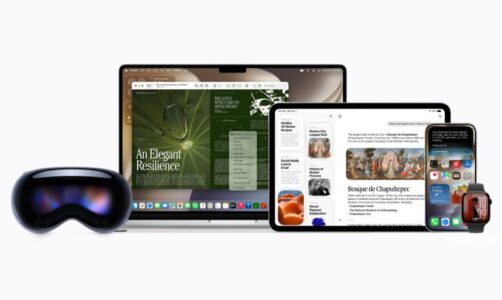
An ecosystem is defined as a biological community of interacting organisms. In tech language, this refers to a group of devices with software to create one collaborative network. Majority of the companies use this to create a ‘family’ of products but no company have mastered it like Apple with the Apple Ecosystem.

The ecosystem is something that draws consumers in to buy more products to work simultaneously. It all starts with the iPhone. You buy your brand new iPhone, suddenly you have an iPad, a Mac, an Apple TV, an Apple Watch, AirPods a HomePod and before you know, you have all apple products. But why? There could be a range of other products on the market that are far much better and less expensive. Having an Apple product disconnects the user from using many exceptional products from third-party companies, largely because third-party products usually do not work with Apple products.
Once you get into Apple’s ecosystem, it is very difficult to switch allegiance. This is because it’s not just your iPhone that you’ll be saying good bye to. A number of different apps and services that you use daily — some without even thinking about it — make switching to another platform almost impossible.

In this article, I’ll tell you about all the ways Apple makes it difficult to switch from iPhone to Android.

No matter how much greener the grass might get on the other side, I’m 100 percent sure I will never leave the iPhone/Mac ecosystem. I have everything I need inside iOS/macOS such that switching to other platforms such as Android or windows appears like a very bad idea.
Like me, there are millions and millions of other people locked into the Apple’s ecosystem, and it seems like the company is really interested in keeping us locked inside their iPhone for as long as possible.
I am all in on Apple’s ecosystem. And to be honest, I don’t think it is even possible for me to consider switching to a different platform, let alone, recommend one. Obviously, the two companies have very different priorities. Google’s priorities are not aligned with my needs. And Apple’s are. For me, it is as simple as that.

Every time I become curious enough to glance over the fence to see just how green the grass is, Apple performs a magic to make its own grass greener than ever. I’ve gotten so fond of Apple’s software and services, and indeed to many third-party iOS apps, that ditching my iPhone for an android phone is no longer an option.

Apple’s ecosystem is the main reason why I use the company’s products

For me one of the biggest reasons I use Apple’s products is the company’s ecosystem. Over the years I’ve found that it makes my life easier by making it possible for me to access my data across a range of devices such as iPhone, iPad or Mac
and I can easily begin a task on one device, and then switch to another one without missing a beat thanks to Continuity. I don’t have to worry about syncing my data across devices, things mostly just work with iCloud.
For example, I’m writing this post in Ulysses, my favorite writing app. It’s available on iOS, iPadOS and MacOS. Therefore, I can start writing on my iPad, and then easily switch to my Mac (or vice versa).

Whatever writing I’ve done on one device simply appears on my other devices in Ulysses. This makes it easy for me to switch to whichever device I want to use to finish my article, and it lets me start writing even if I’m miles away from my Mac.
Now, let’s look at all the ways iPhone users gets locked into Apple’s ecosystem.

How Apple’s ecosystem locks in users

Here are the reasons why I, and likely many of you, are locked into the iPhone ecosystem for the foreseeable future.

#1. iMessage

Let’s first look at the most obvious reason: iMessage. It is nice, and it is only available on Apple products. We occasionally see rumors that indicates
iMessage could make its way to Android in the future, However, Apple has always dismissed such assumptions.

There are several amazing third-party messaging solutions, such as WhatsApp, which you can use on Android instead. And there are Complex workarounds forgetting iMessage on Windows PC and Android. But are simply not as great as iMessage. They don’t work with other apps like iMessage does, plus they don’t offer as many features. Majority of them aren’t as secure, either.

What’s more, in case you are already part of group chats in iMessage, you might as well say good bye to them when you switch to Android. Switching breaks those groups for you. And unless you can convince all your friends to move the conversation elsewhere, you’re going to be left in the dust.

#2. iCloud

iCloudis another service that you will lose when you switch from iPhone to Android. It’s possible to move all your information to Google Drive, or a different cloud storage service. It’s also possible to access iCloud files through a browser on an Android phone. But it’s just not very convenient.

The process is not streamlined, and it becomes very hard when you want to sync files between your phone and your Mac. You cannot keep backing up your photos and videos to iCloud Photos, either.

You can still access your iCloud mail, and sync contacts and calendars, through Google’s apps (or others). However, for the most part, once you move from iOS to Android, you will have to start from scratch. And you’ll be compelled to live without cool services such asFind My iPhone andFamily Sharing.

#3. Keychain

Keychain is currently part of iCloud, however I think it deserves an independent mention since it is a huge feature — and a huge loss for switchers.

You cannot access your iCloud Keychain on third-party platforms, meaning all the usernames and passwords you’ve stored in it over time are lost.
You’ll have to begin remembering them. You may use password managers such as 1Password
on Android. But if you were not saving passwords in such applications on iOS, then you will have nothing to sync to your new Android device.

#4. Apple Watch

Personally,Apple Watch is the most significant thing on this listing. There is no way to use an Apple Watch with an Android device. This means, not only are you giving up your iPhone if you switch, but you’ll have to give up Apple Watch, as well.

Okay, I might be able to live without iMessage, iCloud, Keychain and stuff like that. I might even be able to admit that all my App Store purchases were a waste of cash. But living without an Apple Watch is impossible for me.

It is undoubtedly the very best smartwatch on the market, and it does what it was designed to do fabulously. There’s no way I am letting go of that.

#5. Activity, Health and Workout

You should not be overly surprised to learn that without Apple Watch and iPhone, you lose the Activity, Workout and Health apps, along with all the fitness data they wrangle. Google provides its own substitute to the Activity app named Google Fit, and many others have theirs, too — but again, you will need to begin from scratch.

That is to say all those runs, swims and workouts — and all the medals you earned along the way — evaporate. And unlike iCloud Drive, Keychain or iMessage, which you can access from an iPad or Mac, Activity and Health are only available on iPhone.

#6. HomePod

Just like Apple Watch, HomePod cannot work with Android device for the largest part. There are some apps which allows you to stream music throughAirPlay, which means it’s possible to send songs from an Android device to your speaker. However, your options are very limited.

You will not have the ability to stream music from services such as Spotify or even the Apple Music app for Android. It’s not possible to set up a HomePod with an Android device,
either, so you’re stuck with a costly cylindrical brick in case you do not have another iOS device at home.

#7. AirPods

I understand AirPods work with Android and other third-party devices, however, they do not work anywhere near as well as they do with iPhone, iPad and Mac. Setup is not as easy, and you will discover that connectivity usually isn’t as reliable.

You also lose out on a whole lot offeatures that make AirPods unique, such as Siri, automatic switching between Apple devices, and automatic ear detection. You’ll no longer be able to customize AirPods’ double-tap feature.
And you can bid farewell to the option to listen to one AirPod at a time. Furthermore, if you don’t take both pods out of the case, they will not join to an Android phone.

Oh, it’s not possible to check AirPods’ battery level on Android, either.

If you do not already have a pair ofAirPods, , you are better off picking a less expensive set of wireless earbuds if you are likely to be using them largely with
an Android cellphone. And if you have AirPods already, simply include them to the list of stuffs that are not as good with no iPhone.

#8. App Store

Developers are working hard to make Android as significant as iOS. However, there are still a huge number of nice iOS apps that are not available on Google’s platform. As you probably know, I use many of them — and you most likely do, too. I’m talking about apps such as Things, Ulysses, Tweetbot, Deliveries, Copied, Overcast, Focos, Halide, Agenda, Pixelmator etc. I rely on virtually all these apps daily, and I love them.

I know I could discover replacements to most of these on Android, but I do not wish to. I paid for these apps. And they work good. They are Well designed and they fit perfectly into my workflows. I really don’t require anything else.

#9. Shortcuts

Speaking of workflows, I have been obsessed with
Apple’s Shortcuts app.
I use a lot of different shortcuts for a variety of tasks daily on iOS. And I am always on the lookout for more which can make my life easier and save me some time.

I honestly do not know how I would live without Shortcuts today — this feature is now vital to me. And that is still another reason why I can’t switch from an iPhone to Android. Just like most of Apple’s apps, Shortcuts isn’t accessible on third-party platforms.

#10. iTunes and Books

There are various methods to sync your iTunes music to an Android phone. You can upload the whole iTunes library into Google Play Music, then stream it all to your Android phone. Other apps will allow you to sync your playlists, as well.

You will lose out on other things, however. It’s very hard to transfer your iTunes movies and TV shows to an Android device. Furthermore, Syncing your podcasts and audiobooks is out of question.

Just like your App Store purchases, most of the stuff you purchased via iTunes and Books gets lost when you switch from iPhone to Android.

#11. Continuity and Handoff

You will loseContinuity andHandoff if you ditch iOS for Android, as well. This means that you will not have the ability to answer a phone call on any of your Apple devices. You cannot start an app on your Mac that
you were using on iPhone and continue where you left off. You will also lose the ability to unlock your Mac using your Apple Watch.

You will also say good bye toAirDrop, which is a remarkably easy and useful means to send photos, videos and other files between your Apple devices.

Granted, these may not be crucial features for many iPhone users, and you may be able to replace a number of these with things like tab syncing in Google Chrome. However, most cannot be substituted, and they’re wonderful to have.

What locks you into iPhone ecosystem?

Obviously I left out some Apple apps and services off this listing. I did not include anything that can easily be substituted, like CarPlay and the Podcasts app. I centered on the things I find especially tricky to forego. Things that therefore make it near impossible to leave the iPhone ecosystem.

Anyone who’s already in Apple’s ecosystem, and those who have successfully broken free, can attest that it’s actually kind of hard to leave it. Are you locked in Apple’s ecosystem? What makes ditching the iPhone impossible for you? If you think I have left out something important on this article, I’d love to know in the comments section below.
if you enjoyed reading this article, please share it with others.

First of all, I love Apple, I also love their ecosystem, but can’t help feeling trapped in it sometimes.

I have an iPhone, iPad, Apple Watch, Macbook Pro and Apple TV, and it’s great how they work together, but the problem comes when you want to try something different.

Lately, I’ve been considering maybe switching to a Note 10 as my primary driver, but then realized it will be so hard to switch.

I have some purchases in iTunes that I will lose, all my contacts etc. are in iCloud, my Apple Watch will be useless and although my Apple TV will still work fine, I will not have the functionality it has with my iPhone.

The only device that will probably work fine is actually my Macbook Pro.

I understand this is probably exactly what Apple wants to do, so that you “get trapped” in the ecosystem through your own fault and then find it very difficult to imagine using anything else.
Do you feel trapped in the Apple ecosystem?
Have you ever asked someone why they have an iPhone? Is it the best all-round smartphone or is it just for convenience? Over time, Apple has created what some call the “Apple ecosystem”. An ecosystem is literally defined as a “community of interacting organisms and their physical environment,” and Apple created that but consists of their devices.
Most Mac users have an iPhone. I mean, why wouldn’t they? You can load your text messages, video calls, notes, web searches and more onto your computer and phone. The integration is seamless and your phone and computer start working as one device. This functionality is hard to beat. A new phone may come out with a better display, battery and camera, but iPhone users are still buying Apple products.
Now suppose the same Mac user wants to buy a smartwatch. Will they research Fitbits and Motorolas, or will they choose the Apple Watch? On an Apple Watch, they can easily send all their notifications to their watch, so the Apple Watch seems like the best option. Furthermore, they will go through the same thinking process if they want to buy a tablet, a speaker or a Bluetooth headsets. They can weigh their options and look at the quality of the devices from several other brands, but they will likely fit the Apple alternative no matter how it compares to the rest. Even if other products are really striking than the Apple version, it’s easier to just go with the product already integrated with the rest of your devices. Put it differently, the product that is part of the ecosystem.
Applehas created a guarded wall around the convenience of their products. Once you start using two or three of their devices, switching to a different platform may sound like a very bad idea. Other companies have their own versions of an ecosystem, but none are as monitored and difficult to deviate from as Apple’s. For instant, Google has many services and devices, including Google Photos, Google Drive, Google Calendar, and Gmail to name a few. However, unlike Apple, you can access these services from anywhere. You don’t need a Google Pixel phone to use them. You can access these services from any computer or phone, making them much more accessible. Although Google has an ecosystem of their services, users may deviate from the ecosystem because fewer walls are built around their services.
Apple-specific software such as iMessage, FaceTime and iCloud discourages users from looking at other products, especially since Apple has an alternative to almost every device. Using a different device is now a hindrance because Apple has made their services so specific to their devices. For example, IMessage only exists on Apple devices, and Apple has made iMessages stand out from regular text messages. iPhone users know the infamous green text messages of Android users and often make people guilty of texting them with green messages. These green messages are just one of many ways that Apple differentiates their services from others.
In addition to only the specific software that Apple offers, Apple also has devices specific to their users. Apple’s smart speaker, the HomePod, can only be used when connected to an iPhone and Siri. To make matters worse, the HomePod will only play music from Apple Music and will not connect to Bluetooth or an extra cord. So to use the HomePod, you must be an iPhone user who also uses Apple Music. The HomePod may seem very specific and unnecessary, but the device is just another way for Apple to trap their customers. Once a user has purchased a HomePod speaker, they will never be able to switch from using an iPhone or using Apple Music again because it will make their speaker obsolete.
While Apple designs their products to the best of their ability, they also ensure that their products connect to their ecosystem. People keep buying from Apple because you can’t use their services on devices other than their own. This makes the Apple ecosystem unique compared to others. Not only how well the products work together, but also how difficult it is to deviate from them if you’ve already started using them. So you need to realize that you are trapped in the Apple ecosystem and learn to break out if necessary. Without acknowledging this, it can be easy to miss quality technology from other companies.
Having said that, breaking out of Apple ecosystem can be a tough thing to do, and you might not find some of the useful features from the Apple ecosystem anywhere else. Read also Does apple ecosystem lock in users? Here’s the truth
are you trapped in apple ecosystem? Do you find it hard to break free from apple ecosystem? Let us know in the comments section below.

If the worst happen and you need to restore your iPhone, the simplest way to do so is through iTunes. In this article, we’ll explain how to restore an
iPhone via iTunes…

If your iPhone is not working properly, or if you’re getting ready to sell it, you’ll want to restore the device. But restoring your iPhone can mess up the device
if you don’t do things in the right way.

In this article, we’ll explain what an iPhone restore is, under which circumstance you might want to do a restore, and the steps to follow when you do so.

You will need toback-up your iPhone before getting started, and the best way to do that is via iCloud or iTunes. We’ve explained both options in detail below, so read on for instructions on how to backup and restore your iPhone…

What Restoring Your iPhone Does

Restoring your iPhone is the “nuclear” version of formatting your device back to factory default. A restore will erase everything from your iPhone–settings,
apps, the OS, as well as the firmware itself.
If you want the iPhone to appear the way it was when you first opened it from the box you need to restore it.

All the methods explained here work on iPad too. Another handy tip, especially if you’ve ever thought the following:

Is to make sure you have
Find Myconfigured on your iPhone or iPad.

Why You May Want To Restore Your iPhone

You want to restore your iPhone if you are planning to sell or giving it to someone, or you are having some issues with it. Always keep in mind to do a restore if you
are selling your iPhone.
Restoring your iPhone will remove everything on the device, wiping not only all your information but the existing OS and firmware from the device.

After a restore, the device will install the latest clean version of iOS.

How to Restore Your iPhone From iTunes

Restoring your iPhone can somehow be risky because if you do it wrong you can seriously mess up your device. However, it’s very rare to encounter such an issue.
What we are saying, most of the time people restore their iPhone without doing a backup first. Then when they go to restore their device, they
find they don’t have any of their data saved.

Another common issue is when people restore their iPhone without disassociating their Apple/iCloud ID from it first and then sell their device. If you don’t
disassociate your Apple/iCloud ID first, that iPhone will forever be locked to your Apple/iCloud ID, which means a future owner won’t have full access
over it.

Back-Up Your iPhone First!
The first, MOST ESSENTIAL step is toback up your iPhone BEFORE restoring it. So choose a backup method. You can do this via iCloud or iTunes.

How to backup iPhone to iCloud manually:

  1. Make sure you’re iPhone is connected to a Wi-Fi network
  2. Head over to Settings & then tap your profile on top
  3. Tap on iCloud
  4. Tap iCloud Backup
  5. > Turn on “iCloud Backup” if it’s switched off

    Tap Backup Now

How to Backup iPhone or iPad in Mac on MacOS Catalina

  1. Build a connection between your iPhone and computer via USB cable and launch Finder.
  2. Now, click on the name of your device.
  3. Next, click on General at the top of the Finder window and then click
    Back up all of the data on your iPhone to this Mac.
  4. Finally, click back up now.

How to back up your iPhone or iPad using iTunes on windows PC or Mac running MacOS Mojave or earlier

  1. Launch iTunes
  2. Connect Your iPhone To Your PC using a USB cable
  3. Click iPhone , then summary
  4. Click Backup Now

How to restore iPhone or iPad backup in MacOS Catalina

If your Mac is runningMacOS Catalina, you can restore your iPhone or iPad from Backup using Finder. Before you jump into it, ensure that the Find My is turned off.
Now, simply follow these steps:

  1. Build a connection between your iPhone and Mac via a USB cable.
  2. Now, open Finder on your Mac.
  3. Next, click on your device from the Locations section.
  4. Next on, click on General to reveal device settings.
  5. Click on restore Backup
  6. Choose the Backup data you wish to restore from the pop-up that appears on the screen.
  7. Lastly, click Restore to initiate the restoration process.

Keep your iPhone or iPad connected after it restarts and wait for it to sync with your Mac.

How to restore iPhone or iPad Backup from iTunes

If your Mac is running MacOS Mojave or older or windows PC, iTunes will help you with the task. Before you dive into it:

  • Ensure that your Mac or PC is running the latest version of iTunes.
  • Ensure that Find My iPhone is disabled.
  • Now, Follow these steps to restore Your iPhone or iPad backup from iTunes
    1. Connect your iPhone to your computer using a USB cable.
    2. When your iPhone appears in iTunes, click on its Summary panel and then click Restore backup.
    3. Click Restore again to confirm that you want to restore your iPhone to factory settings. All data and content will be erased.
  • After your iPhone restarts you’ll be asked if you want to set up the iPhone as a new device (do this if you are selling it or giving it away) or if you
    want to restore it from a backup. If you want to set it up as a new device, you’re done, just follow the “Set Up As New iPhone” steps on screen when you see the
    Hello screen.
    If you want to restore your device from a backup you can do so from iCloud or your iTunes backup (depending on where you backed up your iPhone before
    you restored it.
    To restore from iCloud: After you see Hello screen follow the steps in the iOS Setup Assistant until you get to the Set-Up screen. Select Restore from iCloud
    Backup. Select the backup you made.
  • To restore from iTunes: connect your iPhone to your Mac or PC using a USB cable. In iTunes choose File > Devices > Restore from Backup. Choose the backup
    you made.
    That’s all, folks.

    Tags: Backup, iTunes

    Why do people back up iPhone data to iCloud? Answer: if your iPhone goes missing, or it’s damaged, you cannot access all the vital information that is stored on
    The device. Backing up your iPhone regularly ensures that, should the worst happen, you’re 100% covered – and you can still retrieve all your most important
    information. While it may appear difficult, backing up an iPhone is actually very easy…
    If you don’t know how to back up an iPhone, then this article is for you. Here are the 4 most common methods for backing up an iPhone.

    All the methods explained here are easy, so, by the end of this post, your iPhone will be completely backed-up and ready to go.

    How To Back Up iPhone

    Method #1) iCloud – The Simplest Way

    Apple default cloud storage service is known as iCloud. It works seamlessly on all iOS/macOS devices, therefore, most users prefer iCloud backups option when backing
    up an iPhone.

    How to backup iPhone to iCloud:

    1. Make sure you’re iPhone is connected to a Wi-Fi network
    2. Head over to Settings & then tap your profile on top
    3. Tap on iCloud
    4. Tap iCloud Backup
    5. > Turn on “iCloud Backup” if it’s switched off

      Tap Backup Now

    You can check the status by heading over to Settings > your profile > iCloud > Storage > Manage Storage

    Things To Keep In Mind

    iCloud offers only 5GB free storage, so you might need to upgrade your iCloud storage space 50GB costs $0.99 a month while 200GB costs $2.99
    a month.

    Method #2 How to Backup iPhone or iPad in Mac on MacOS Catalina

    Apple discontinued iTunes with the introduction ofMacOS Catalina. Thankfully, you can use finder to back up your iPhone or iPad to Catalina. Simply follow these steps:

    1. Build a connection between your iPhone and computer via USB cable and launch Finder.
    2. Now, click on the name of your device.
    3. Next, click on General at the top of the Finder window and then click
      Back up all of the data on your iPhone to this Mac.
    4. Finally, click back up now.

    Method #3 How to back up your iPhone or iPad using iTunes on windows PC or Mac running MacOS Mojave or earlier

    Before the introduction of iCloud, Apple’s method for backing up iOS devices was iTunes. And in 2020 , it still works perfectly too.

    How to backup iPhone with iTunes

    1. Launch iTunes
    2. Connect Your iPhone To Your PC using a USB cable
    3. Click iPhone , then summary
    4. Click Backup Now

    Things To Keep In Mind

    This is a manual process and can take a while to complete depending on the size of data stored on your iPhone.

    Moreover, your PC hand drive need to have enough space on your as well.

    If you have met all these, you’re all set with an iTunes Backup

    Method #4 Google Photos Backup For ALL Your Images

    If you want to store all your photos somewhere, somewhere safe, Google Photos is your best bet, which can be downloaded for free on the App Store.

    After downloading the app, simply select it as a backup for all your iPhone’s photos and videos. This way, anytime you take photos they’ll be
    automatically uploaded to Google Photos, where you can access them any time and anywhere.

    You just need a Gmail account and a computer.

    Dropbox and OneDrive are also great options, but I especially like the way the Google Photos app looks and works.

    So you just bought a new iPhone or reset your old one back to factory default. That means, you probably want to get all the old data and settings you
    had on your phone up and running on your brand new or reset iPhone. And the most convenient way to do so is restoring your iPhone from a previous iCloud Backup. In this article I’ll explain how to restore iPhone from iCloud Backup in quick and easy steps.

    What Is An iCloud Backup?

    Basically, an iCloud backup is a duplicate of all the data, layouts, and other settings on your iPhone that is stored on Apple’s cloud service known as,iCloud.
    Here’s what is included on iCloud Backup:

    • App data
    • Images and videos saved on your iPhone, iPad, and iPod touch (unless you use iCloud Photos)
    • Apple Watch backups
    • iMessage, text (SMS), and MMS messages (unless you use Messages in iCloud)
    • Device settings
    • Visual Voicemail password (You’ll need the SIM card which was in use during backup)
    • Home screen and app arrangement
    • Purchase history from Apple services, such as your music, films, TV shows, apps, as well as books
    • Ringtones

    Having said that, there are a couple of stuff that are NOT included in an iCloud backup. These mostly include your data such as emails, Notes, Contacts, Calendars,
    And bookmarks if you are an iCloud user.

    This is because iCloud already stores this data on Apple’s servers separately from an iCloud backup, therefore, no need of including this data
    in the iCloud backup.

    Before Restoring An iPhone From iCloud

    Before you restore an iPhone from iCloud, you need to ensure you already have an iCloud backup of your iPhone.
    For this to happen you’ll need to have hadenabled iCloud backups on your iPhone beforehand.

    To set up your iPhone to back up to iCloud, simply follow these steps:

    1. Start the Settings app on your iPhone.
    2. Tap on your profile at the top of the display (this will be your name).
    3. On the next screen, select iCloud.
    4. Now scroll down and tap on iCloud Backup.
    5. On the Backup screen toggle the iCloud Backup switch to ON position.

    After performing the above steps, your iPhone will automatically back up to iCloud each day provided your iPhone is plugged to power and connected to a Wi-Fi network.
    This means, you’ll have a new iCloud backup with the most latest apps and settings each day.

    Therefore, when you restore from iCloud you’ll have your iPhone with the most lately used settings again.

    How To Restore An iPhone From iCloud

    OK, now that your iPhone’s data is backed up to iCloud, you are ready to restore your new or reset iPhone from iCloud. Here are step-by-step instructions for how to restore a current
    iPhone that you are already using:

    1. Launch the Settings app.
    2. Now, tap General.
    3. Next, tap Reset.
    4. Next on, tap ‘Erase All Content and Settings’.
      On the Apps & Data screen, choose Restore from iCloud Backup.
    5. Enter your Apple ID to sign in so your phone can access your iCloud backups.
      Go to ‘Choose backup’, then choose the backup you want from a list of available
      backups in iCloud.

    And here are the instructions for how to restore iCloud backup on new iPhone:

    1. Switch on your new iPhone.
    2. From the Apps & Data screen, choose Restore from iCloud Backup.
    3. Enter your Apple ID to sign in so your phone can access your iCloud backups.
      Go to ‘Choose backup’, then choose the backup you want from a list of available
      backups in iCloud.

    After you’ve followed the above given steps, your iPhone will begin restoring from iCloud. It’s worth noting however, restoring from iCloud can take a while depending
    on the size of your iPhone backup. If your iPhone backup is quite a lot of gigabytes, it could take an hour or so.

    It’s always a good idea to back up your iPhone or iPad. In today’s day and age, our most important data is probably stored on our smartphones. Phones
    Store our photos, messages, contacts, etc.
    The good news is that if you have an iPhone, Apple offers an easy way to constantly keep your iPhone backed up to the company’s cloud service, called iCloud. In this article,
    I’ll explain everything you need to know aboutHow to back up your iPhone to iCloud

    So, what Is An iPhone iCloud Backup?

    Just like other tech companies out there, Apple has a host of cloud services that you can take advantage of. Apple has named its cloud services “iCloud”. Apple’siCloud
    services has numerous features, including ad-free email, bookmark syncing, online file store, etc. But the most important
    iCloud feature is the iPhone backup.

    The iPhone’s iCloud backup feature lets users create a copy of their iPhone’s data and store it on Apple’s cloud. This copy of your data allows you to
    easily retrieve all of your data
    in the event you ever want to reset or restore your iPhone.

    Your iPhone iCloud backup also simplifies the process of transferring all your data from one iPhone to another. When you purchase a new iPhone, you only need
    to log into your iCloud account on it and the new iPhone will start fetching data from your iCloud backup and putting it on your new iPhone.

    What Is Stored In An iCloud Backup?

    Your iCloud iPhone backup doesn’t store all the data you have on your iPhone – just the most essential bits. Here’s
    everything Apple says gets included
    in your iPhone iCloud backup:

    • App data
    • Apple Watch backups
    • iPhone settings
    • Home screen and app layout
    • iMessage, text (SMS) and MMS messages
    • Purchase history from Apple services, such as your music, movies, TV shows, apps, and books
    • Ringtones
    • Photos and videos on your iPhone
    • Visual Voicemail password (requires the SIM card that was in use during backup)

    You may notice that things such as emails and contacts aren’t included in the above list. That’s because emails and contacts are already stored online through
    your email provider (which could be iCloud, or another service such as Gmail). Because they’re already stored online, there’s no need for them to be stored
    in your iCloud backup.

    How Do I Backup My iPhone To iCloud?

    Fortunately, it’s easy to back up iPhone data to iCloud. You just require3 things:

    • An iPhone
    • An iCloud account
    • Wi-Fi internet connection

    The purpose of having an iPhone is quite straight forward (it’s what you’re backing up to iCloud). As for an iCloud account, you’ll have one if you own an iPhone. Your
    iCloud account is associated with your Apple ID. Lastly, you’ll need a Wi-Fi internet connection to back up your iPhone to iCloud.

    Got all that? Perfect. Here’s how you back up iPhone data to iCloud:

    1. . Connect your iPhone to your Wi-Fi network.
    2. Launch the Settings app on your iPhone.
    3. Tap on your profile at the top of the iPhone’s Settings app.
    4. Tap on iCloud.
    5. Tap on iCloud Backup.
    6. On the “Backup” screen, toggle the iCloud Backup switch to ON position
    7. A “Back Up Now” button will appear. Tap it.

    After you tap the “Back Up Now” button, your iPhone will perform its first backup to iCloud. Note, this could take some time depending on the amount of data on
    your iPhone. And if you’re iCloud backup is just taking way too long, we recommend that you
    free up some storage space on the iPhone.

    But the good thing is after this first backup, you won’t need to manually backup your iPhone to iCloud. Your iPhone will automatically back up your iPhone
    to iCloud daily as long as you’ve followed the above given steps and your iPhone is plugged to power source and connected to Wi-Fi network and the screen is
    locked.

    All of the above happens when we plug our iPhone to power before we go to bed to sleep, meaning your iPhone will do daily backups to iCloud
    as you sleep.

    Tags: Backup, iCloud

    If you want to turn off iPhone keyboard clicks but don’t know how, we have mapped out simple instructions to get this matter done. Continue reading…
    Notice that click each time you press the onscreen keyboard when inputting text into your iPhone? Well that’s the iPhone’s audible Keyboard clicks to give you a sense as if you are clicking a real key and not one on a touchscreen.

    We understand this might be annoying, therefore, if you want to disable keyboard clicks on your iPhone, there are a few simple steps which you need to follow.
    Here are step-by-step instructions for how to turn off keyboard clicks on iPhone. You can also enable the feature again if you so desire it as well.

    What devices will this work on?

    This will work on any iPhone running iOS 13 or higher. This includes theiPhone SE 2020, iPhone 11, iPhone 11 Pro and the iPhone 11 pro max.

    How to Disable Keyboard Clicks on iPhone?

    It’s easy to disable iPhone keyboard soundif you know how.
    Highlighted below are the steps on how to turn off iPhone keyboard clicks. Doing so will prevent those annoying keyboard sounds from distracting you while typing. Feel free to start whenever you are ready…

    1. Start the settings app on your iPhone.
    2. Tap on sounds & Haptics and scroll down to the bottom of the screen.
    3. Now turn off the switch next to Keyboard Clicks.

    And that covers everything on how to disable iphone keyboard sound. Now, when you type you will not hear any audible clicks at all. Sounds good, right?

    Please take some time now and share this post with friends to teach them how to disable keyboard clicks on iPhone. Also, check out other articles on the website to discover more iPhone tips and tricks. Also read How to turn off haptic touch on iPhone: know here

    Your iPhone apps keeps crashing and you don’t know why. Well, in this guide, we’ll explain how to fix an iPhone app that keeps crashing. So if your experiencing iphone app crashing problem, the following tips will show you what you can do to fix the issue.

    By the end of this guide your App or Apps should be working properly once again. I do hope you enjoy the article and that it works in fixing your problem.

    Devices this applies to:

    This guide applies to all iPhone models including the iPhone SE 2020 iPhone 11, iPhone 11 Pro, iPhone 11 Pro max, iPhone XR, iPhone x, iPhone 7, iPhone 8 etc. It also apply to alliPad models.

    iPhone Apps Crashing Fix

    Here are step-by-step instructions for how to fix an iphone app that keeps crashing:

    Force quit app on iPhone

    Go ahead and swipe up from the bottom center of the screen. This will reveal the recent apps menu, now swipe up and close out the app with the problem.

    You can also close all apps to free up space in memory. This will allow the app to run properly the next time its launched.

    Restart your iPhone

    Go ahead and restart your iPhone. To do so, hold the power (sleep Wake button) and volume down and slide to power off. Wait a few seconds and turn your iPhone back on by holding down the power button. After restarting try the app again.

    Update all apps on iPhone

    Head over to the App store, click on your profile picture for your account. Check if you see Apps to update and tap update all to
    update all apps on iPhone. Updating apps can fix iPhone app crash issues.

    Delete apps on iPhone

    Locate the Apps with the issue and long press and hold, an x will appear in the upper left of the icon, press it. Delete the app. Now, head over to the App store and download a fresh copy of the App and launch.

    Update your iPhone

    Head over to settings, General and software update. Now download and installe if an update is available. This way, all the existing bugs which might be causing iPhone apps to crush will be fixed.

    Offload unused apps

    If your iPhone storage is full, you may find that you have little space for apps. In such a case, you need to free up space on your iPhone by offloading unused apps. Simply head over to Settings > General > IPhone storage. Now, tap on a particular app to offload it.
    Also consider deleting unnecessary Photos and videos. In addition, delete large space hogging apps such as Games you don’t play or need.

    Uninstall recently downloaded apps

    An app may be messing directly with the Apps that crashing. Consider uninstalling any app you may have installed recently and check to see if that resolved the issue. You can re-install it again if its not the culprit.

    Reset your iPhone

    If all the above fixes fails, it’s time to backup your device and do a full reset. Doing this should fix just about any issue regarding crashing apps but keep in mind it will erase all your data. Reset your iPhone to factory default:
    Head over to settings > general > reset > reset all settings.

    And that covers everything about how to fix an iPhone app that keeps crashing. Nowtake some time and share this with friends to teach them how to fix an iPhone app that keeps crashing. Also, check out some more of our other articles here on the website.

    By default there is no way to clear cache on your iPhone. Android devices offers a direct method but the story is different on iOS, and in most cases, there is no need to clear cache.

    Every now and then though similar to Android, Apps start acting up and they need to have the data they built up or cache cleared on iPhone.

    In this guide, I’ll explain how to clear cache on anyiPhone.

    Why clear cache on iPhone apps

    This is particularly useful if an App on your iPhone is not working properly. It could be also that a app is crashing or malfunctioning in some way.

    The main problem in these cases is built up data or cache which needs to be cleared.

    How to Clear Cache iOS?

    • Head over to settings,General and then iPhone storage. Scroll down and check all apps on your phone. Tap on an App that’s having issues and notice the App Size which is the installer and theDocuments & Data which is basically the Cache of the App.
      The cache usually builds up over time and the only way to clear it would be to delete the App and install in afresh which will reset everything and so clear the cache.
      So just delete and then reboot and head over to the app store and download the app again and you’ll be ready to go.
    • Some Apps also includes an option to clear the cache build in. For instance, in TikTok, simply open the App and navigate to your profile > settings and scroll to the bottom and tap Clear cache.
      To clear cache on Safari browser, simply head over to settings > Safari and Clear History and website Data.

    And that covers everything on how to clear app cache on iPhone and is the only way to do so, well until Apple ads a dedicated cache feature if they find it necessary.

    Now take time to share this guide with a friend to teach them how to clear app cache on iOS. Also comment below and check our other articles we have plenty of them for you.